China Top 10 Front Door Security Screen Suppliers
Choosing a Front Door Security Screen is not just a matter of selecting a mesh pattern or attractive frame. It means weighing visibility, ventilation, construction, hardware, and installation quality together. Security technologist Bruce Schneier captured a useful principle: “Security is a process, not a product.” His words are not specific to door screens, but they remind buyers to assess the full entry system, not one component alone.
This guide to China’s top 10 Front Door Security Screen suppliers is designed to help buyers compare manufacturers with practical questions in mind. What materials are used for the frame and mesh? How are hinges, locks, and corners assembled? Can the supplier provide clear specifications, samples, and installation guidance? These details matter when a door faces daily use, rain, dust, or a curious pet pressing its paws against the mesh. A glossy catalog photo may not show them.
Look closely. Ask for evidence. Compare more than price. Supplier rankings can be useful, but they are only a starting point; product suitability depends on the doorway, climate, and intended use. Some details may remain unclear until a sample is handled or a quotation is reviewed. That is worth admitting. By checking claims against documents and asking direct questions, readers can build a more grounded shortlist and choose a supplier with greater confidence.
Front Door Security Screens: Types, Materials, and Key Features
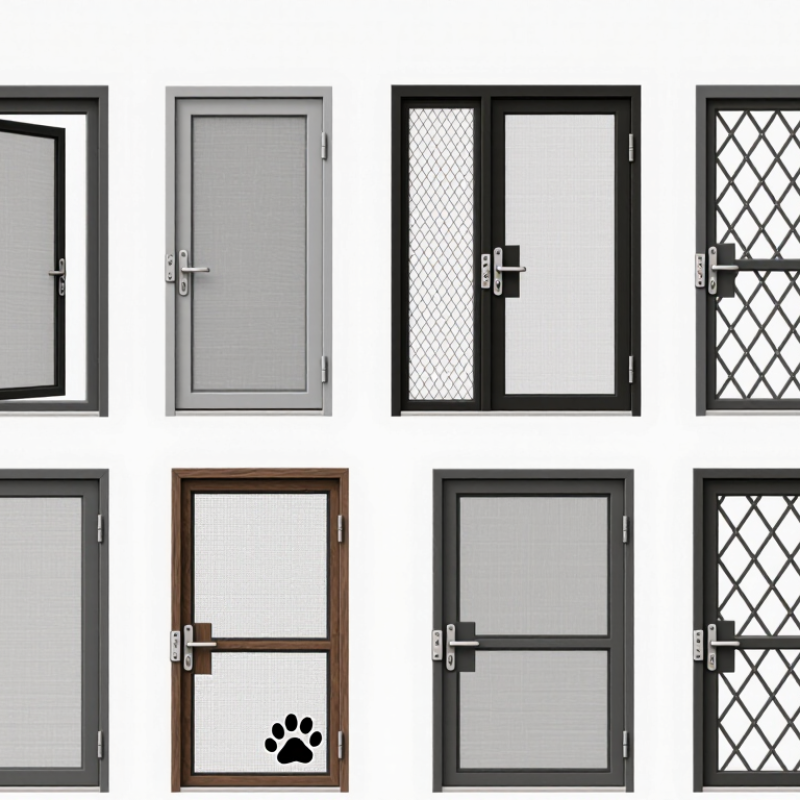
Front door security screens come in several practical forms. Hinged screens suit many entryways and open like a second door. Sliding models work well where porch space is limited. Retractable screens offer a cleaner look, though their moving parts may need more care. Not every opening fits.
Mesh choice affects visibility, airflow, and resistance to cutting. Stainless steel mesh is sturdy and handles outdoor exposure well. Aluminum mesh is lighter, while perforated metal can provide added privacy. Frame strength matters too. Check corner joints, hinge attachment points, and the locking area, not just the mesh sample.
Useful features include a multi-point lock, reinforced frame corners, and corrosion-resistant hardware. A closer can prevent the door from slamming, but it should not make daily use difficult. Ask suppliers for material details, installation dimensions, and test documentation relevant to the product. Compare mesh thickness and frame construction rather than relying on broad claims such as “high security.” Small installation gaps can weaken an otherwise solid screen. I have seen specifications look convincing on paper; the finished fit still deserves close inspection.
How to Evaluate Front Door Security Screen Suppliers
When evaluating front door security screen suppliers, look beyond polished product photos. Ask how the frame is joined, what grade of mesh is used, and whether corners resist twisting under pressure. On a sample, press the mesh gently and check for movement, sharp edges, or uneven tension. Small details matter. A lock that feels smooth in a showroom may bind after installation if the frame is not square.
Request clear specifications, installation guidance, warranty terms, and test documents that match the exact model being quoted. If your home is near the coast, ask how the finish performs in humid, salty conditions; a general durability claim is not enough. Check whether replacement parts, such as hinges and lock cylinders, can be supplied later.
A low price can look persuasive, but compare the included hardware and fitting support before deciding. I can be overly focused on technical sheets; still, a supplier should explain them in plain language and answer practical questions without pressure. If possible, inspect a finished unit and open and close it several times. Listen for scraping. Notice whether the latch engages cleanly. A few minutes of checking can reveal issues that a brochure cannot.
China’s Security Screen Door Industry and Supplier Landscape
China’s security screen door industry serves residential renovations, apartments, and light commercial projects. Suppliers commonly combine metal-frame fabrication, mesh fitting, surface finishing, and hardware assembly. Some focus on made-to-order sizes; others rely on standard models with faster production cycles. The difference matters when openings are irregular or installation schedules are tight.
A useful supplier review starts with the product itself. Ask for frame dimensions, mesh material, hinge details, lock options, and finish samples. Request photos of corner joints and mesh tension, not only polished catalog images. Small details reveal workmanship. Confirm how measurements are checked before production, and whether sample approval is documented. Export capability is more than arranging shipment; packaging, clear drawings, and consistent communication also matter.
Factory visits or live production checks can clarify capacity, but paperwork alone is not proof of quality. Ask for inspection records and test methods relevant to the intended use. Compare quotations line by line, including accessories, packing, and customization charges. A low price may omit important parts. Even careful checks have limits: samples may not represent every production batch, and finish colors can shift under different lighting. Buyers should keep specifications written and inspect initial orders closely. Supplier selection is rarely perfect.
Comparing Suppliers by Quality, Customization, Pricing, and Export Support
China Top 10 Front Door Security Screen Suppliers: Comparing Quality, Customization, Pricing, and Export Support
Comparing suppliers takes more than reviewing polished product photos. Check frame material, mesh specification, coating, hinge construction, and lock compatibility. Ask for measurable details, such as frame thickness and mesh opening size. A sample can reveal uneven corners, rough edges, or a latch that needs too much force. Still, one sample cannot guarantee consistent production quality. Request inspection records or clear production photos before placing a larger order.
Tips: Share your exact opening measurements, finish preference, and expected order quantity. Ask each supplier to quote the same specifications. This makes price comparisons more useful.
Customization matters when openings are unusually sized or need a particular color, mesh type, or handle position. Confirm which changes affect tooling, minimum order quantity, and lead time. Compare written quotes for packaging, sample fees, payment terms, and shipping arrangements; the lowest unit price may exclude important costs. For export support, ask who prepares shipping documents, how products are packed against scratches, and whether updates are provided during production. Some details may only become clear after sampling, so leave time and budget for adjustments.