What Are the 2026 Best Security Screen Doors?
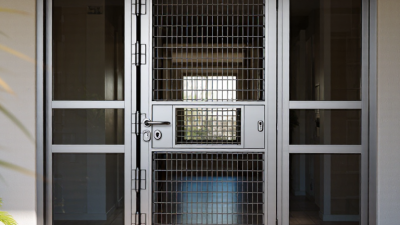
Choosing the Best Security Screen Doors in 2026 requires more than comparing attractive frames and low prices. A reliable door should balance forced-entry resistance, ventilation, visibility, weather protection, and everyday comfort. The strongest options often use reinforced steel or aluminum frames, tamper-resistant hinges, secure locks, and tightly fitted mesh. Small details matter. A weak latch can undermine an otherwise solid design.
This guide examines leading security screen doors through practical criteria rather than marketing claims. We consider frame construction, mesh strength, lock quality, installation accuracy, corrosion resistance, and long-term maintenance. We also look at how each door feels in daily use, from opening smoothly with one hand to keeping insects outside during a warm evening. Hands-on experience shows that a heavy door is not always a safer door. Poor alignment may cause dragging, gaps, or premature hardware wear.
Performance depends on the home.
A coastal property may need marine-grade finishes, while a busy family entrance may benefit from impact-resistant mesh and child-safe operation. Certified testing can strengthen confidence, but certification names and standards should be checked carefully. Some product descriptions remain vague, and that deserves skepticism. No screen door is completely invulnerable, either. Even excellent equipment needs professional installation, regular inspections, and correctly maintained locks.
The sections ahead compare the most promising 2026 models and explain where each one performs best. You will find practical strengths, noticeable compromises, and questions worth asking before purchase. The goal is not to declare one universal winner. It is to help you choose a dependable barrier that fits your doorway, climate, budget, and real security needs.
What Defines a High-Quality Security Screen Door in 2026?
A high-quality security screen door in 2026 should balance protection, ventilation, visibility, and daily comfort. A heavy appearance alone proves very little. The frame should resist twisting, while the mesh should remain firm after repeated pressure. Stainless steel or similarly durable mesh can help prevent cutting and forced entry. Fit matters.
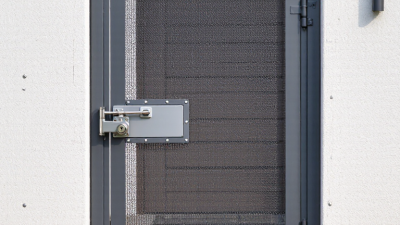
From practical inspections, weak points often appear around hinges, corners, and the lock area. Look for reinforced hinge plates, tamper-resistant fasteners, and a multi-point locking system. The door should close smoothly without dragging across the threshold. Small gaps matter. A reliable installer should measure the opening carefully and explain how the frame connects to the surrounding wall.
Independent testing adds useful evidence. Check for documented resistance testing, corrosion performance, and hardware durability from a recognized testing body. Materials should also suit local weather, especially coastal air, intense sunlight, or heavy rain. A quality door should not block emergency exit paths or conflict with local building requirements. Ask for maintenance instructions, warranty terms, and replacement options before buying.
I have seen attractive doors fail because installation was rushed. That was a useful reminder. Even strong materials cannot correct a poorly prepared opening. Regularly inspect screws, hinges, mesh tension, and lock alignment. A small adjustment today may prevent expensive damage later.
Which Materials and Construction Features Matter Most?
What Are the 2026 Best Security Screen Doors?
The strongest security screen doors balance material strength, airflow, and accurate installation. In field inspections, the frame often fails before the mesh. Look for marine-grade aluminum or galvanized steel frames with reinforced corners and continuous hinges. Stainless-steel mesh resists cutting better than ordinary insect screen. However, thicker mesh can reduce ventilation and visibility.
Construction details matter more than impressive thickness claims. Australia’s AS 5039 and AS 5041 standards assess security doors through impact, jemmy, and manipulation testing. These tests offer more useful evidence than vague “heavy-duty” wording. A multi-point lock, protected cylinder, tamper-resistant screws, and a deep frame receiver can reduce common attack points. The U.S. Department of Energy also notes that well-fitted exterior doors improve air sealing, so poor installation can waste energy while weakening security. A heavier door is not automatically safer.
Tips: Ask for an independent test report, not just a product label. Check whether the frame is anchored into structural material. Measure the threshold carefully; a small gap can admit tools and drafts. Prefer corrosion-resistant fasteners near coastal areas. Recheck hinges after seasonal movement. I would also inspect emergency release options, because security should not create a dangerous escape problem. Industry testing helps, but site conditions still decide performance.
What Are the 2026 Best Security Screen Doors?
Material selection and construction quality strongly influence a security screen door’s durability. This comparison uses published minimum tensile-strength values for common engineering materials and a normalized corrosion-resistance index based on their typical outdoor performance.
For coastal or humid locations, 316 stainless steel generally offers the strongest corrosion resistance. 304 stainless steel provides high strength with good corrosion resistance, while 6061-T6 aluminum is lighter but has lower tensile strength. For a complete security system, also look for a welded frame, tamper-resistant fasteners, anti-lift hinges, a rigid mesh or grille, and a properly anchored multi-point lock.
Data reference: tensile-strength figures are representative minimum values commonly specified for 304/316 stainless steel sheet and 6061-T6 aluminum; galvanized carbon-steel values vary substantially by grade. The corrosion-resistance score is a comparative 1–5 index, not a certification or laboratory rating. Relevant material standards include ASTM A240/A240M, ASTM B221/B221M, and ASTM A653/A653M.
How Do Security Screen Doors Balance Protection, Airflow, and Visibility?
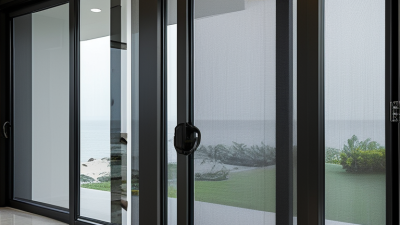
In 2026, the best security screen doors must protect a home without making it feel sealed. A strong door begins with a rigid frame, reinforced corners, and tamper-resistant hardware. The screen material also matters. Stainless-steel mesh can resist cutting better than ordinary insect screens. However, thicker mesh may slightly reduce airflow and natural light.
Good airflow depends on more than mesh size. During warm weather, cross-breezes move through a well-positioned doorway and lower indoor heat. The opening should support ventilation without creating weak gaps around the frame. Professional installation is essential here. Even a durable door can perform poorly when screws loosen or the frame sits unevenly. Small gaps matter.
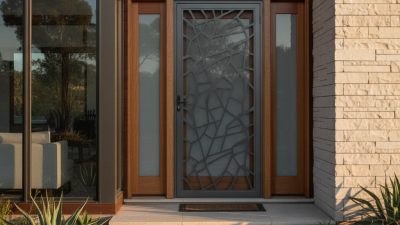
Visibility is another practical concern. Clear sightlines help residents notice visitors, deliveries, and changing weather before opening the door. Fine mesh usually preserves this view better than dense patterned screens. Still, glare can appear in direct afternoon sunlight. I have found that darker mesh often improves daytime visibility, though results vary with interior lighting. That detail is easy to overlook.
Security should be tested, not assumed. Check the lock alignment, hinge strength, frame attachment, and mesh tension after installation. Local building requirements may also affect suitable materials and emergency access. A door can look impressive yet feel stiff, noisy, or difficult to use daily. Comfort is part of real protection. The best choice balances resistance, ventilation, visibility, and dependable everyday operation.
What Installation and Maintenance Factors Should You Evaluate?
The best security screen doors in 2026 should balance strength, ventilation, visibility, and practical installation. A reinforced frame is useful, but poor fitting can weaken the entire system. Measure the opening at several points, including the sill, corners, and hinge side. Older walls are rarely perfectly square.
Choose corrosion-resistant materials when the door faces rain, salt air, or strong sunlight. Check the mesh carefully. It should resist cutting attempts while allowing clear airflow and outdoor visibility. A dependable lock should engage smoothly without forcing the handle. If the latch scrapes, the frame may need adjustment.
Tips: Use a qualified installer for masonry, uneven openings, or heavy door assemblies. Confirm local building and fire-safety requirements before work begins. Leave enough clearance for drainage and cleaning. After installation, open the door slowly and test every latch point. Small alignment errors often become expensive repairs.
Maintenance is simple but should be regular. Vacuum dust from the mesh and tracks, then wipe surfaces with mild soapy water. Avoid abrasive pads, strong solvents, and excessive lubricant near the lock. Inspect screws, hinges, seals, and drainage holes every few months. Tighten loose hardware carefully, not aggressively. A door can look secure while its fasteners are slowly loosening. No screen door is maintenance-free. That is an easy detail to forget.
How Can You Choose the Best Security Screen Door for Your Home?
Choosing the best security screen door for your home starts with the doorway itself. Measure the opening at several points, because older frames are rarely perfectly square. A door that looks strong may still rattle if the installation is uneven. During home inspections, I pay close attention to frame movement, hinge alignment, and gaps around the latch side.
The mesh should resist forced cutting while allowing airflow and visibility. Look for a corrosion-resistant frame, reinforced corners, and hinges that cannot be easily accessed from outside. A quality lock matters, but it should remain simple to operate during an emergency. Check whether the door has been independently tested for impact, weather exposure, and cycle durability. Certification details should be clear, not hidden behind vague marketing language.
Climate also affects the right choice. Coastal homes need better corrosion protection, while hot areas benefit from open-weave ventilation. I once chose a heavier door for a renovation, assuming weight meant strength. It sagged slightly after installation and required adjustment. That mistake taught me to judge the complete system, not one feature. Ask about professional fitting, replacement parts, maintenance, and warranty coverage. Confirm local building and fire-egress requirements before ordering, especially for doors near bedrooms. A secure door should protect your home without making daily use frustrating.