
What Is a Steel Security Screen Door?
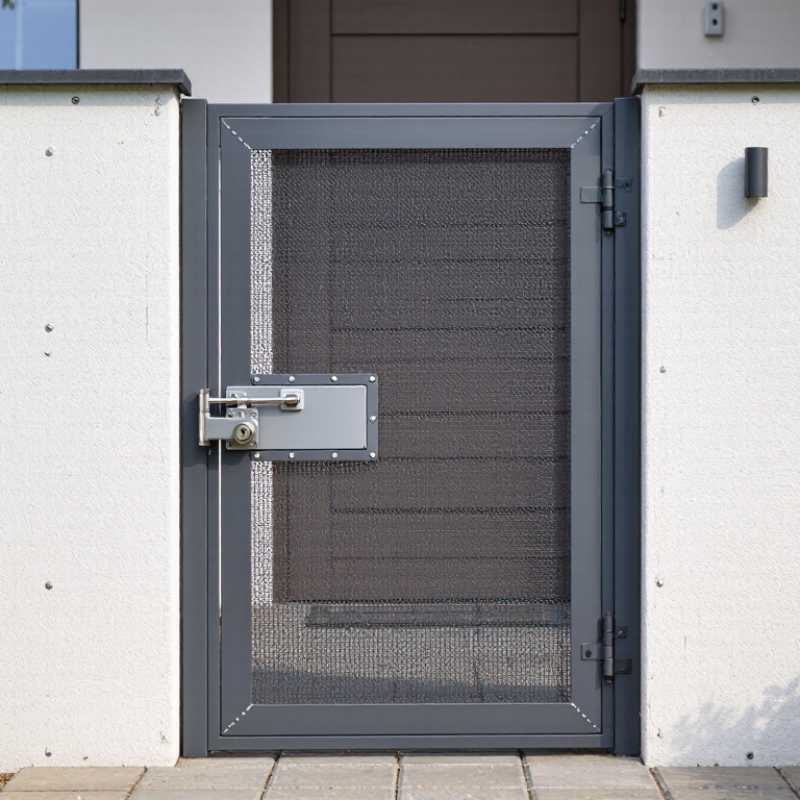
A Steel Security Screen Door is a metal-framed door fitted with a strong mesh or perforated steel panel. It sits outside an entry door, allowing air and daylight through while adding a physical barrier. The frame, mesh, hinges, lock, and installation all matter. A heavy-looking door can still disappoint if its frame flexes or its latch misses the strike plate.
Security-door specialist Alex Morgan puts the practical point this way: “A screen door is only as dependable as its frame, fixing points, and fit.” This is a useful reminder, not a substitute for product testing or a site assessment. Look for clear information about materials, construction, hardware, and installation. Ask how the door is anchored to your actual wall and frame, not just how thick the mesh appears in a photograph.
Details are visible up close. Check the corners, hinge side, lock alignment, and gaps around the closed door. Open and shut it; the movement should feel controlled, not loose or strained. A screen door also needs to suit the home’s airflow, exposure, and daily use. No door is magic. Even a well-made model may need maintenance, and poor installation can weaken its performance. The honest question is not whether steel guarantees safety, but whether this door is appropriately built, correctly fitted, and carefully maintained.
Definition and Main Components of a Steel Security Screen Door
What Is a Steel Security Screen Door?
Definition and Main Components of a Steel Security Screen Door
A steel security screen door is a framed outer door that combines ventilation with a physical barrier. Its steel frame supports a mesh or grille panel, while the main entry door remains behind it. The mesh lets air pass through and can provide a clearer view outdoors. It is not the same as a solid steel door, and its protective performance depends on the complete assembly.
Key components include the perimeter frame, screen panel, hinges, locking hardware, handle, and mounting fasteners. Some designs also use a reinforced grille, a multi-point lock, or weather seals along the edges. Frame thickness, mesh construction, hinge quality, and installation all affect how sturdy the door feels. A heavy frame alone does not tell the whole story. One detail people sometimes overlook is the wall or door-jamb material holding the fasteners.
Tips: Check that the frame sits square and closes without rubbing. Test the lock and handle before regular use. Small details matter. Ask what the mesh and frame are made from, since “steel screen” can describe different constructions. A poorly fitted door may leave gaps or strain its hinges over time.
What Is a Steel Security Screen Door? - Definition and Main Components of a Steel Security Screen Door
| Dimension | Description | Purpose and Practical Notes |
|---|---|---|
| Definition | A steel security screen door is a secondary exterior door made with a steel frame and a durable screen or grille. It is installed in front of an entry door. | It can allow airflow and visibility while adding a physical barrier. It does not replace a properly fitted, locked main entry door. |
| Steel frame | The perimeter frame and internal rails are commonly formed from steel sections, with dimensions and reinforcement varying by design. | The frame supports the screen, hinges, and lock. A rigid frame and secure attachment to the doorway are important to the door’s overall performance. |
| Screen or grille | The central panel may use woven metal mesh, perforated sheet, or a metal grille. Materials, opening sizes, and visibility differ between designs. | The panel provides ventilation and helps resist everyday impacts or tampering. No screen panel should be assumed to be insect-proof or impact-rated unless its specifications say so. |
| Hinges | Hinges connect the door leaf to its mounting frame. Some designs use fixed-pin or otherwise secured hinge arrangements. | Hinges carry the door’s weight and allow it to swing. Their number, placement, and attachment should suit the door’s size and installation. |
| Lock and latch | A latch holds the door closed; a keyed or keyless lock may provide a locking function. Hardware configurations vary. | Lock performance depends on the lock, the door frame, the strike area, and correct installation. Check how the door can be opened from inside in an emergency. |
| Mounting frame and fixings | The mounting frame or fixing points secure the door assembly to the surrounding wall or entry-door frame using suitable fasteners. | Correct fixing is essential because a strong door leaf can still perform poorly if it is loosely or incorrectly attached. Installation requirements depend on the doorway and wall construction. |
| Finish and corrosion protection | Steel components may be coated or painted to help protect their surfaces from corrosion and wear. | Protection varies by finish and exposure. Inspecting and maintaining the coating helps identify scratches, rust, or damage that may need attention. |
| Seals and threshold clearance | Some doors include perimeter seals or a bottom seal; other designs leave clearance around or beneath the door. | Seals can reduce drafts and help limit insect entry when designed for that purpose. Adequate clearance is also needed for smooth operation and drainage. |
| Typical benefits | Common intended benefits include ventilation, outside visibility, and an additional barrier at an entryway. | Actual security, airflow, visibility, and weather performance depend on the door’s materials, design, condition, and installation. |
Related Posts
-
China Top Security Screen Doors Suppliers?
-

Exploring the Future of Steel Screen Doors at the 2025 China Import and Export Fair 138th Session
-

Comprehensive Guide to Security Doors and Screens Features and Optimal Selection for Global Buyers
-
How to Choose the Best Steel Security Screen Door for Your Home?
-
Enhancing Home Safety: The Ultimate Guide to Choosing the Best Security Shutters
-
How to Choose the Best Security Shutters for Your Home Protection