What Are the Different Types of Screen Doors?

Screen Doors are more than mesh set in a frame. They shape how a home handles fresh air, insects, pets, and daily foot traffic. The U.S. Energy Information Administration’s 2020 Residential Energy Consumption Survey found that nearly nine in ten U.S. households used air conditioning. That makes ventilation choices relevant, though opening a door is not automatically the most efficient option. The U.S. Department of Energy’s natural-ventilation guidance also stresses that outdoor conditions matter. Comfort depends on the day.

The main designs include hinged, sliding, retractable, magnetic, and storm-door combinations with interchangeable screen panels. Each solves a different practical problem. A hinged door suits a traditional entry, while a sliding screen follows a patio door’s track. Retractable models disappear into a side cassette; magnetic curtains open easily but may not suit a busy entrance. Pets, wind exposure, frame size, and ease of repair can change the best choice. Small details matter. A loose track or weak latch can turn a convenient screen into a daily annoyance.

This guide explains how the types differ, where each works best, and what to check before buying. It also considers mesh, frame materials, installation, and maintenance without assuming one design fits every home. There is no perfect option. The right choice balances airflow, durability, appearance, and budget—and sometimes the trade-offs are less obvious than a product label suggests.
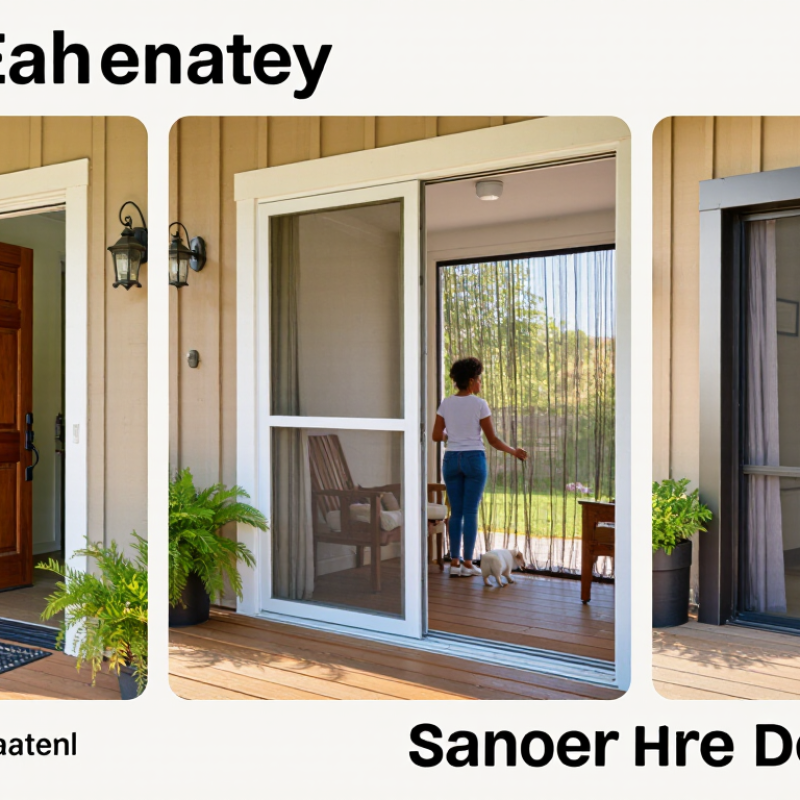
What Are the Different Types of Screen Doors?

How Screen Doors Are Classified by Design and Operation

Screen doors are commonly classified by how they open and where the screen sits. Hinged models swing on side-mounted hinges, much like a regular door. They suit entryways with enough clearance for the panel to move freely. A closer can help the door shut after someone passes through, though it may need adjustment to avoid a hard slam.

Sliding screen doors move along a track, making them useful for patios where a swinging panel would take up space. The track needs occasional cleaning; grit can make the door feel stiff. Retractable screens roll into a narrow housing when not in use, leaving the opening clear. They can look unobtrusive, but the mesh and guides need careful handling. Magnetic screen panels open when pushed and close through magnetic strips. They are simple, though alignment can be fussy. No type is ideal for every doorway. Measure the opening, check nearby furniture, and consider how often people carry things through it. The most convenient option on paper may not feel that way at home.

Hinged Screen Doors for Standard Doorways

Hinged screen doors are a practical choice for standard doorways because they open like a regular door and need no track along the floor. They suit busy entrances where people carry groceries or let a pet pass through. The frame is usually attached to the door jamb with hinges, while a latch keeps it closed. Check which way the main door swings before choosing the screen door’s direction. Clearance matters.

Measure the opening at the top, middle, and bottom; older frames are not always perfectly square. A difference of even a few millimeters can leave a gap or cause the door to rub. Use the smallest measurements when checking fit, and follow the door’s installation instructions. A narrow strip of daylight around the edge may invite insects inside.

Not ideal.

Mesh material also affects visibility, airflow, and durability, so consider whether children, pets, or frequent use are part of the picture. In practice, a closer that shuts the door reliably can be more useful than a decorative feature. Still, closers may need adjustment, and a door that slams can be annoying. Inspect hinges and mesh occasionally, especially after windy weather or repeated impacts.

Sliding Screen Doors for Patio and Track-Mounted Openings

For patio openings, a sliding screen door keeps the main door usable while letting breezes pass and insects stay outside. It runs on a track, so smooth operation depends on a square frame, clean channels, and properly aligned rollers. Measure the opening at several points; older patios are not always perfectly level. A gap at the latch side can admit insects, even when the mesh looks intact.

Track fit matters. The U.S. Department of Energy’s Energy Saver guidance estimates that heat gain and loss through windows account for 25–30% of residential heating and cooling energy use.

That figure concerns windows, not screen inserts, but it is a useful reminder: a screen is not an insulating door. Keep the primary patio door’s weather seals in good condition.

For mesh, choose a weave suited to local insects without making airflow and visibility needlessly poor. Check the bottom track for grit and leaves, and inspect corners where mesh can loosen.

Small details matter. I sometimes focus too much on mesh; a badly aligned roller can be the real annoyance. Measure twice, then confirm the frame clears the track before ordering.

Retractable Screen Doors That Roll Away When Not in Use

What Are the Different Types of Screen Doors?

Retractable Screen Doors That Roll Away When Not in Use

A retractable screen door stores its mesh inside a slim side housing when you do not need it. Pull the handle across the doorway, then secure it in the opposite track. To open the passage, release the latch and guide the mesh back slowly. It keeps the doorway clear, without a swinging panel taking up space. This design can work well for patios, wide entries, and doors used often. The mesh is less noticeable when retracted, but it still needs gentle handling.

Track alignment matters. If the frame is out of square, the mesh may drag or fail to latch evenly. Dirt and pet hair can collect in the bottom track, too. Wipe it with a soft brush or cloth, and avoid forcing the screen if it catches. On exposed, windy openings, check the product’s wind guidance; some screens are not suited to strong gusts. A little trial and error may be needed.

Tips: Measure the opening at several points, since older frames can vary slightly. Check that the handle is reachable and the tracks will not obstruct nearby trim. After installation, test the screen through several open-and-close cycles. It should move smoothly. If it does not, inspect the alignment before applying extra force.

Specialty Screen Doors for Wide, French, and Storm Doorways

Wide openings often need more than a standard single screen door. A double-panel sliding screen can cover patio doors, while a retractable model stores in a slim side cassette when unused. Measure the opening at several points; older frames are rarely perfectly square. That matters.

French doorways can use paired hinged screens, one for each panel, or a single screen fitted to the active door. Magnetic closures are convenient, but they may not hold as firmly in strong wind. Check handle clearance and the direction each door swings before choosing hardware. Small details count.

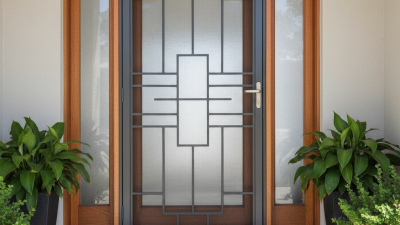
Storm doorways may accept a screen insert that replaces a glass panel seasonally, or a full-view storm door with a screen section. Inserts are tidy and help keep insects out while allowing ventilation, though changing panels can be awkward if the clips are stiff. For exposed entries, confirm that the frame and fasteners suit the doorway and local weather. A neat fit is not guaranteed by product dimensions alone; installation and an uneven sill can leave gaps. Compare actual measurements with the fitting guide or ask an installer to assess the opening.