How to Choose the Right Security Gate for Your Business?
Choosing the right Security Gate is a practical decision, not merely an architectural choice. It affects access control, traffic flow, employee safety, and daily operating costs. A gate that looks impressive may still create queues, blind spots, or maintenance problems.
Security expert Bruce Schneier famously said, “Security is a process, not a product.” His observation applies directly to commercial gate selection. The best system must support changing risks, trained staff, reliable inspections, and regular maintenance. It should match the site’s actual conditions, including vehicle size, entry frequency, weather exposure, lighting, and emergency access requirements.
Start with the risk.
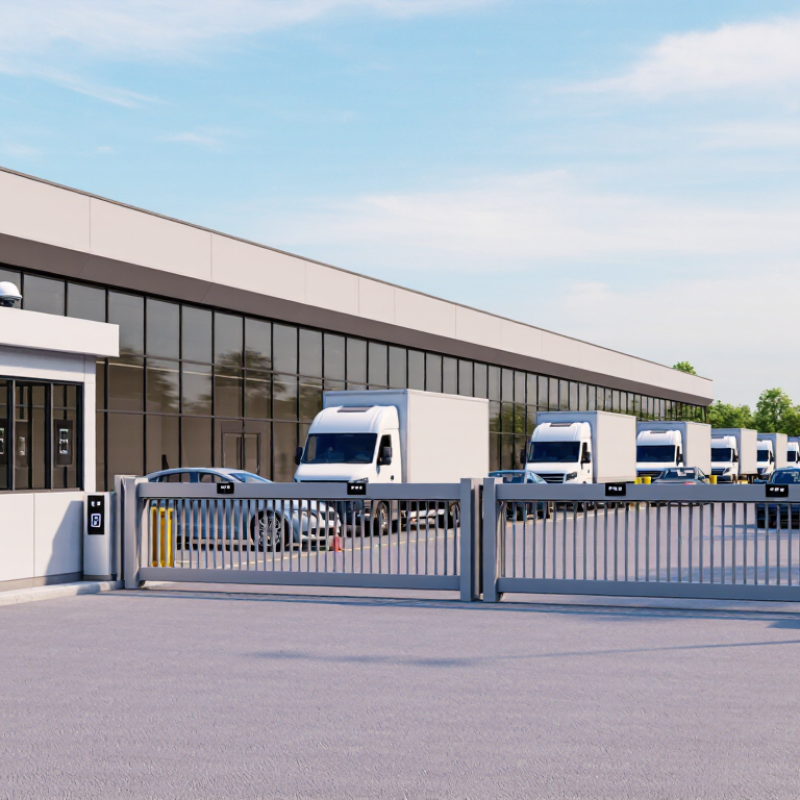
A warehouse may need a heavy-duty sliding gate for frequent truck movements. A private office campus might benefit from a barrier gate, card reader, visitor intercom, and camera integration. High-security facilities may require crash-rated equipment, anti-climb construction, and controlled pedestrian routes. These features should be selected through a documented risk assessment, not guesswork.
Performance matters, but convenience matters too. A gate that closes too slowly can frustrate drivers. One that closes too quickly may create avoidable safety concerns. Power failures also deserve attention. Backup power, manual release procedures, and clear signage can protect operations when technology fails.
There is no perfect gate.
Budget estimates can be incomplete, especially when installation, drainage, cabling, software, and future servicing are ignored. A cheaper product may become expensive after repeated repairs. Careful buyers compare lifecycle value, supplier experience, warranty terms, and local support. This guide explains how to evaluate those factors and choose a Security Gate that remains dependable beyond the installation day.
Define Your Business’s Security Needs and Risk Level
How to Choose the Right Security Gate for Your Business?
Before choosing a security gate, define what you need to protect. A warehouse may face vehicle theft, while an office may mainly control pedestrian access. Walk around the site during busy and quiet periods. Note blind corners, delivery routes, emergency exits, and areas with valuable equipment.
Your risk level should reflect real conditions, not assumptions. Review past incidents, visitor numbers, operating hours, and lighting quality. Consider whether the gate must resist forced entry, guide traffic, or simply separate public and private areas. A strong barrier can still create problems if it slows emergency access or frustrates employees. I have seen security plans fail because daily movement was ignored.
Tips: Match the gate to the threat. Choose clear visibility where monitoring matters. Measure opening width, vehicle height, and available power before installation. Test access procedures with staff, visitors, and delivery drivers. Keep records of faults and delayed entries. Small delays can reveal larger design weaknesses. Reassess the risk after renovations, staffing changes, or new equipment. No gate solves every problem. Physical protection works best with lighting, trained personnel, visitor records, and routine maintenance.
Compare Security Gate Types and Their Core Functions
Choosing a security gate starts with movement, not appearance.
A vehicle barrier arm controls entry quickly at parking lots, checkpoints, and loading areas. It is visible and affordable, but it offers limited resistance against vehicle impact. Swing gates suit moderate traffic and create a clear visual boundary. They need side clearance and strong hinges. Sliding gates work better where space is limited behind the entrance. Cantilever designs avoid ground tracks, which helps on wet or uneven surfaces. However, their frames require careful structural support and regular inspection.
Pedestrian turnstiles separate authorized foot traffic from visitors.
Full-height models provide stronger perimeter control. Waist-height models usually support faster supervision and smoother flow. Speed gates look cleaner, but they depend on accurate sensors and controlled emergency release. Each gate should connect with credentials, event logs, intercoms, and camera coverage. The core function is not simply blocking passage. It is verifying access, managing movement, and recording unusual attempts. Safety edges, presence sensors, and warning lights reduce pinch and collision risks. Fail-safe or fail-secure operation must match the site’s evacuation plan. A locked gate can become a serious weakness during an emergency.
Traffic volume, weather, maintenance access, and future expansion also influence the choice.
Fine grit can damage moving parts faster than expected. A common mistake is selecting a powerful gate without planning service space. Another is trusting access software while ignoring tailgating at busy periods. No gate solves every problem. The best design balances deterrence, safe operation, and daily convenience. That balance may need revision after real usage begins.
Evaluate Materials, Access Controls, and Safety Features
How to Choose the Right Security Gate for Your Business?
Material selection should match the site, not just the budget. Galvanized steel handles frequent vehicle movement and offers strong impact resistance. Aluminum is lighter and can reduce strain on hinges and motors. Stainless steel suits damp or corrosive locations, although its higher cost needs careful justification. Timber can look welcoming, but it demands regular sealing and inspection. I once saw a well-built gate fail early because standing water collected around its lower frame. The material was fine. The drainage plan was not.
Access control should reflect how people actually enter. Keypads work well for small teams, while card readers create clearer entry records. Mobile credentials may help managers change permissions quickly. Pair every system with a manual release procedure. Staff should know what to do during a power failure. A complicated control panel can become a daily frustration. Test it with new employees, visitors, and delivery drivers before approval.
Safety features deserve equal attention. Use visible warning signs, photoelectric sensors, edge protection, and an emergency stop button. The gate should move at a controlled speed and stop when an obstacle appears. Check sight lines near pedestrian paths and vehicle lanes. Ask qualified installers for documented testing and maintenance schedules. Local requirements may also affect spacing, lighting, and emergency access. Do not rely only on a sales specification. Observe the gate during rain, darkness, and busy shift changes. Small weaknesses often appear there.
How to Choose the Right Security Gate for Your Business?
Evaluate material durability, access-control compatibility, and safety features before selecting a gate configuration.
The chart uses a practical 1–10 planning score based on common characteristics of swing gates, sliding gates, vertical-lift gates, and pedestrian turnstiles. Higher scores indicate stronger suitability for the category. Final selection should be verified against site conditions and applicable requirements such as UL 325, EN 12453, and ISO 13849-1.
Match Gate Design with Site Layout and Daily Operations
How to Choose the Right Security Gate for Your Business?
Match Gate Design with Site Layout and Daily Operations
A security gate should fit the site, not force the site to change. Start with a simple traffic survey. Count vehicles, pedestrians, delivery times, and peak queues. A sliding gate can suit a narrow entrance with limited swing space. A swing gate needs clear ground behind or beside the opening. For sloped driveways, a cantilever design may reduce contact with uneven surfaces. Measure carefully. Small errors can create daily delays.
Daily operations matter just as much. A warehouse may need a wide vehicle gate, a separate pedestrian lane, and clear sightlines for drivers. An office may benefit from controlled turnstiles near the reception area. Check how staff, visitors, contractors, and emergency services move through the property. Access controls should be easy to use during rain, darkness, and busy shift changes. Ask maintenance teams about cleaning, lubrication, sensor checks, and manual release procedures. Reliable security depends on these details.
One common mistake is choosing the strongest-looking gate without reviewing queue behavior. A heavy gate may slow deliveries and frustrate employees. Another mistake is trusting drawings without walking the route. Visit the site at opening time and during bad weather. Notice puddles, blind corners, reversing trucks, and blocked walkways. No design is perfect. It should remain practical when routines change. Review the plan with security staff, drivers, and facilities managers before installation. Their experience may reveal something the measurements missed.
Review Installation, Maintenance, Costs, and Future Scalability
Choosing the right security gate begins with a careful site review, not a product brochure. Measure vehicle width, turning radius, ground slope, drainage, and emergency access. Installation quality often matters more than the gate’s appearance. Concrete foundations need suitable depth and reinforcement for local conditions. Power cables should remain protected from water and vehicle impact. Leave enough clearance for technicians to reach motors, sensors, and control panels. I once saw a new gate fail repeatedly because the installer ignored poor drainage. The lowest installation quote became expensive within months.
Maintenance costs deserve equal attention. Hinges, rollers, safety sensors, locks, and backup batteries all need inspection. Monthly visual checks can reveal unusual noise, loose bolts, or slow movement. Keep service records with dates, faults, and replaced parts. Include electricity use, planned servicing, spare components, and possible downtime in the budget. A quote that excludes civil work may look attractive, but it can hide major expenses. This is easy to miss.
Future scalability should influence today’s design. Reserve conduit space for extra cameras, vehicle readers, intercoms, or additional lanes. Select controls that can support more users and access points later. Check whether the site can handle heavier traffic without reducing opening speed or safety. My own planning mistake would be choosing capacity from current traffic alone. Business growth is rarely tidy. A flexible layout may cost more initially, yet changing foundations later is far more disruptive. Leave room for revision.