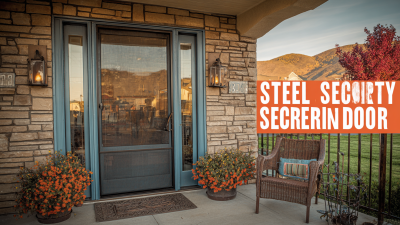
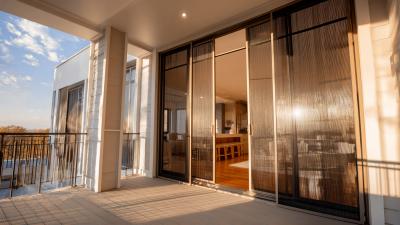
| Stainless-Steel Woven Mesh |
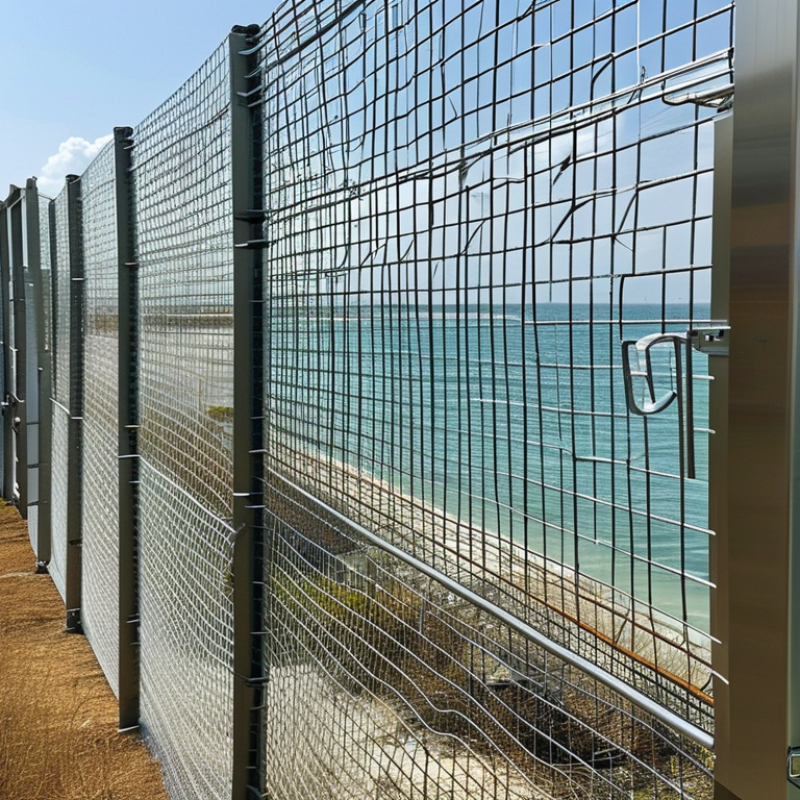
Fine woven stainless-steel wire mesh secured in a rigid frame, usually with mechanical retention or a tamper-resistant fixing system. |
High resistance to cutting, prying and impact when the mesh, frame, corners and fasteners are designed as one tested assembly. |
Usually provides excellent outward visibility, natural ventilation and daylight. Mesh aperture and wire diameter affect airflow and resistance. |
Suitable for humid, coastal and high-rainfall environments when the correct stainless-steel grade and compatible fasteners are specified. Salt exposure still requires cleaning and inspection. |
Residential doors and windows, apartments, schools, offices, coastal properties and ventilation openings. |
Performance varies greatly between products. A strong mesh can be undermined by weak frames, exposed screws, unreinforced corners or poor installation. |
Look for a complete-assembly forced-entry or impact test. Depending on the market, relevant evidence may include AS 5039/AS 5041 or EN 1627 testing. These standards are not interchangeable. |
Confirm mesh grade, wire diameter, aperture, frame alloy, corner construction, hinge-side protection, lock protection, fastener type and installer requirements. |
| Perforated Metal Security Screen |
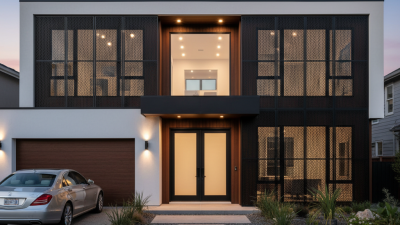
Perforated aluminum or steel sheet with engineered round, square or decorative openings, installed in a reinforced frame. |
Good resistance to impact and forced penetration. The continuous sheet can provide stronger local rigidity than a lightweight insect screen. |
Visibility and ventilation depend on open-area percentage, hole size, sheet thickness and viewing angle. Smaller openings normally reduce airflow and visibility. |
Aluminum is generally suitable for many outdoor environments because of its corrosion resistance and low weight. Steel requires an appropriate protective coating and edge protection. |
Entry doors, service doors, ground-floor windows, commercial buildings, public facilities and areas requiring privacy control. |
Can reduce airflow or outward visibility more than fine woven mesh. Coatings, cut edges and dissimilar-metal contact must be controlled to reduce corrosion risk. |
Request impact, static-load or forced-entry test reports for the complete screen assembly. EN 1627 may apply where the product is tested as a doorset or window. Local building and egress rules must also be checked. |
Compare sheet thickness, perforation ratio, frame reinforcement, anti-pry overlap, corrosion coating, drainage, fastener concealment and replacement-part availability. |
| Expanded-Metal Security Screen |
Expanded steel or aluminum sheet formed with connected strands and diamond-shaped openings, normally mounted in a framed panel. |
Connected metal strands offer useful resistance to tearing and localized penetration. Rigid frames improve resistance to prying and deformation. |
Typically provides moderate visibility and airflow. Diamond geometry and strand width influence transparency, shading and ventilation. |
Coated steel is suitable when the coating system is correctly specified and maintained. Aluminum is lighter and naturally corrosion resistant but may require additional reinforcement. |
Industrial buildings, utility areas, plant rooms, warehouses, security vestibules and robust residential screens. |
Heavier visual appearance than woven mesh. Rough or unprotected edges can create handling hazards; poor coatings may fail at cut edges and welds. |
Compare documented forced-entry, impact, load and corrosion testing. EN 1627 or AS 5039/AS 5041 may be relevant only when the supplied configuration has been tested to the applicable standard. |
Check strand width, sheet thickness, opening size, frame depth, weld quality, edge finishing, anchorage, coating thickness and galvanic compatibility. |
| Security Grille or Bar Screen |
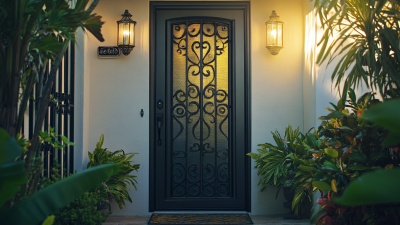
Welded or mechanically assembled steel or aluminum bars, rods or tubes fixed within a perimeter frame. |
Strong visual deterrence and high resistance to blunt impact when bar size, spacing, welds and anchors are properly engineered. |
Usually offers very good ventilation. Visibility is high, although closely spaced bars can affect views and daylight. |
Galvanized or powder-coated steel can be used outdoors when the coating and drainage are suitable. Stainless steel offers improved corrosion resistance but may increase cost. |
Basement windows, plant rooms, commercial properties, warehouses, schools and high-security ventilation openings. |
Bars may be climbable or easy to attack with tools if spacing, welds or anchors are inadequate. Fixed grilles can obstruct emergency escape and rescue access. |
Check local fire and egress requirements. Where applicable, compare forced-entry reports, weld tests, static-load data and complete doorset or window assembly testing under EN 1627 or local standards. |
Verify bar spacing, bar profile, weld penetration, frame-to-wall anchorage, hinge protection, removable panels, emergency release and corrosion protection. |
| Security Screen Door with Multi-Point Locking |
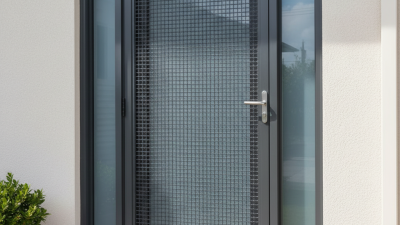
A complete door assembly combining mesh, perforated sheet or grille, reinforced door leaf, frame, hinges, threshold and one or more locking points. |
Provides better overall protection than evaluating a screen panel alone because the lock, frame, hinges and anchorage are included in the security design. |
Can provide strong ventilation and visibility when fitted with woven mesh or appropriately perforated metal. |
Material and finish should be selected for the installation climate. Coastal locations require special attention to stainless-steel grade, coating systems and fastener compatibility. |
Main entrances, apartment entrances, balconies, commercial premises and climate-controlled buildings needing ventilation without leaving the opening unsecured. |
A high-grade lock cannot compensate for a weak frame, inadequate wall fixing or an untested installation. Door closers and escape hardware may affect operation and compliance. |
Compare complete doorset testing, especially EN 1627 resistance classes where applicable, or AS 5039/AS 5041 evidence in markets using those standards. Check fire, smoke, accessibility and egress requirements separately. |
Review lock type, cylinder protection, hinge bolts, frame anchorage, threshold, door closer, emergency exit function, installation tolerances and maintenance instructions. |
| Security Window Screen |
Fixed, hinged, sliding or removable screen using mesh, perforated sheet, expanded metal or bars within a window frame. |
Can delay forced entry and protect vulnerable ground-floor or accessible windows. Security depends heavily on perimeter fixing and the surrounding window frame. |
Fixed fine mesh generally offers good visibility and ventilation. Bar and perforated designs provide different balances of airflow, shading and privacy. |
Choose material and coating according to ultraviolet exposure, humidity, salt spray, freeze-thaw cycles and cleaning conditions. |
Ground-floor windows, basement openings, schools, care facilities, offices and residential properties. |
Security screens may create a life-safety hazard if they prevent emergency escape or rescue. Removable or quick-release systems require controlled, tamper-resistant operation. |
Check local requirements for emergency egress and rescue. Compare complete window or screen testing, not only mesh strength; EN 1627 may apply to tested windows or shutters in the relevant configuration. |
Confirm opening size, quick-release or escape hardware, child-safety requirements, fixings, frame condition, insect-screen compatibility and cleaning access. |
| Sliding or Retractable Security Screen |
Sliding, folding or retractable panel using metal mesh, perforated sheet or articulated grille with top and bottom tracks or a folding mechanism. |
Useful for wide openings and flexible access control. Security depends on track protection, interlocking panels, locks and resistance to lifting or forced separation. |
Usually offers good ventilation and convenient access. Folding or sliding joints can reduce rigidity compared with a fixed panel. |
Tracks and moving hardware require protection from dirt, moisture and corrosion. Coastal or dusty sites may require more frequent maintenance. |
Patios, balconies, shopfronts, wide residential openings, restaurants and internal security partitions. |
More moving parts mean more maintenance points. Poorly protected tracks can be attacked, jammed or lifted; wide openings may require additional intermediate locking points. |
Request operational-cycle data, anti-lift testing and forced-entry evidence for the exact configuration. Confirm that any claimed EN 1627 or local rating covers the complete installed system. |
Compare track design, anti-lift blocks, panel interlocks, locking points, bottom-track drainage, adjustment range, cycle testing and spare-hardware support. |
| High-Visibility Security Mesh with Insect Protection |
Fine metal mesh designed to combine forced-entry delay with insect control, typically installed in a framed door or window system. |
Can provide a practical balance of security, ventilation and insect protection. Security performance depends on metal construction and secure frame retention. |
Often offers high transparency and airflow, but finer apertures can increase pressure drop and reduce ventilation compared with larger-opening screens. |
Suitable for warm, humid and insect-prone climates when the metal grade, finish and frame materials are compatible with the environment. |
Residential buildings, hospitality properties, healthcare facilities and tropical or subtropical climates. |
Insect-control performance does not automatically mean forced-entry resistance. Product descriptions should clearly separate insect screening from security testing. |
Ask for separate evidence for insect exclusion, corrosion resistance and forced entry. Do not treat an insect-screen specification as a security rating. |
Check aperture size, mesh wire or strand construction, frame retention, lock and hinge protection, repairability, cleaning method and complete-assembly test scope. |
|
Buyer note: EN 1627 resistance classes apply to tested doors, windows, shutters or related assemblies and should not be assigned to an untested mesh panel. AS 5039 and AS 5041 are Australian security-screen standards covering relevant performance and testing requirements. ASTM, local building codes and police or insurance requirements may apply in other markets. Always request the original laboratory report, test configuration, installation conditions and validity of the claimed rating.
|