
What Are the 7 Best Steel Security Doors for 2026?
The right Steel Security Doors should do more than look solid in a product photo. A thick steel leaf can still underperform if its frame flexes, hinges are poorly reinforced, or the lock does not suit the opening. That detail matters. For 2026, this guide compares seven options through practical criteria: construction, locking hardware, frame design, weather sealing, installation needs, and everyday usability. Security technologist Bruce Schneier offers a useful reminder: “Security is a process, not a product.” His comment is not specific to doors, but it captures an important point: a door works as part of a complete entry system.
The shortlist considers residential and commercial needs, from busy side entrances to exposed exterior openings. It also separates documented features from broad marketing claims, because “heavy-duty” can mean very different things across brands. No door is magic. The best choice depends on the opening, local conditions, and the quality of installation. A steel door that scrapes the threshold or leaves a visible gap deserves another look, even if its specifications seem impressive. Some product details may be difficult to compare directly; that uncertainty is worth acknowledging rather than smoothing over. Use the seven selections as a starting point, then check measurements, compatible hardware, warranty terms, and installation guidance before deciding.
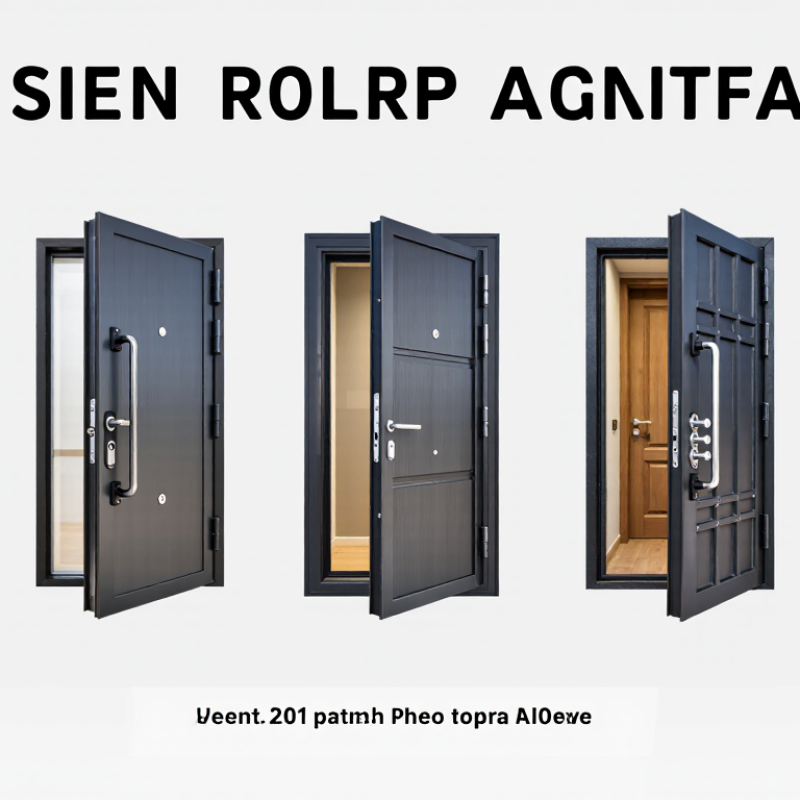
What Defines a Steel Security Door and How Is It Rated?
A steel security door is a complete assembly, not just a sheet of metal. It typically includes a steel door leaf, a reinforced frame, secure hinges, and compatible locking hardware. Construction details matter. Look for securely joined edges, reinforced lock areas, and a frame designed to resist spreading. A heavy door can still be a weak choice if its frame or installation is poor.
Ratings indicate how an assembly performed under specified tests. Depending on the standard, testing may assess resistance to physical attack, impact, or other forms of forced entry. Check that the rating applies to the complete door set, including its frame and hardware, rather than one component alone. Standards and rating scales vary by region, so ask for current test documentation and confirm what the classification actually measures. A fire rating is separate.
Inspect the details you can see: even gaps around the closed door, firm hinge attachment, and a latch that engages without forcing it. That distinction matters. Ratings offer useful evidence, not a guarantee for every building or installation. In practice, fitting quality can undermine a strong product. I would also question any claim that relies only on steel thickness; it is one detail, not the whole security picture.
What Are the 7 Best Steel Security Doors for 2026? – What Defines a Steel Security Door and How Is It Rated?
A steel security door is a door assembly designed to resist unauthorized entry. Its protection depends on the complete system—not just the steel skin—including the frame, hinges, locks, reinforcements, glazing, and installation. There is no single universal security rating for all steel doors. Check that any test or certification applies to the complete assembly and matches the intended use.
| Door configuration | Key construction features | Common application | Rating or documentation to check | Selection note |
|---|---|---|---|---|
| 1. Reinforced residential steel entry door | Steel door skin with a reinforced lock area and compatible frame and strike plate. | Houses and residential entry points. | Check the door, frame, hardware, and installation specifications. Do not treat steel-skin thickness alone as a security rating. | A practical option when a conventional entry-door appearance is desired; the frame and lock installation matter. |
| 2. Commercial hollow-metal door assembly | Steel door and frame assembly, available in different constructions and hardware preparations. | Offices, service areas, and other commercial or institutional openings. | Review the specified door and frame construction, hardware schedule, and applicable project requirements. SDI 100 classifications describe door construction and performance criteria; they are not a standalone forced-entry rating. | Confirm that the frame, hinges, lock, and closer are suitable for the opening and expected use. |
| 3. Insulated steel entry door | Steel faces with an insulating core; the core and edge construction vary by product. | Exterior entrances where thermal performance is also important. | Check published thermal-performance data separately from security testing. Insulation does not, by itself, establish resistance to forced entry. | Compare weather sealing, glazing details, and the strength of the frame and lock area as well as thermal data. |
| 4. Fire-rated steel door assembly | A labeled door assembly designed for a specified fire-protection application, with compatible frame and hardware. | Openings where building codes require a fire door. | Verify the listing, label, and required fire-protection rating for the complete assembly. UL 10C and NFPA 252 are fire-test standards for door assemblies; they are not forced-entry security ratings. | Follow local code and keep the door, frame, glazing, and hardware within the approved assembly specifications. |
| 5. Steel security screen door | A separate outer door with a steel frame and mesh or grille, fitted in addition to an entry door. | Entrances where ventilation or visibility is wanted while the outer door is closed. | Look for independent testing or certification that identifies the tested screen-door assembly, including its frame, hinges, and lock. | Mesh and grille designs differ; confirm that the door is securely anchored and does not obstruct the main exit. |
| 6. Steel door with multipoint locking | A steel door fitted with a lock that engages at multiple points along the door edge when operated. | Residential or commercial entrances where multipoint hardware is specified. | Check the lock’s applicable hardware documentation and compatibility with the door and frame. A lock standard or grade applies to the lock, not automatically to the full door assembly. | Correct installation and alignment are important for reliable engagement at every locking point. |
| 7. Independently tested forced-entry door assembly | A steel door and frame tested together with specified hardware and installation conditions. | Locations where documented resistance to defined attack methods is required. | Where applicable, ask whether the complete swinging-door assembly was tested to ASTM F476, a test method addressing security of swinging door assemblies. Confirm the test scope, configuration, and report with the supplier or testing body. | This is the clearest option when a documented forced-entry test is needed; results apply only to the tested configuration and conditions. |
Ratings and code requirements vary by jurisdiction and application. Before purchase, verify the current product documentation, tested assembly details, installation requirements, and local building-code requirements.
Related Posts
-
How to Choose the Best Security Doors for Your Home Safety
-

Enhancing Home Safety: The Essential Benefits of Installing a High-Quality Safety Screen Door
-
What Is a Steel Security Screen Door?
-
Why Choose Security Shutters for Your Home Safety Needs?
-
Top 10 China Security Door Types and How They Are Installed
-
Top Front Door Security Screen Features to Enhance Your Home Safety in 2025