Is WPC Co-extrusion Cladding the Best Choice for Your Project?
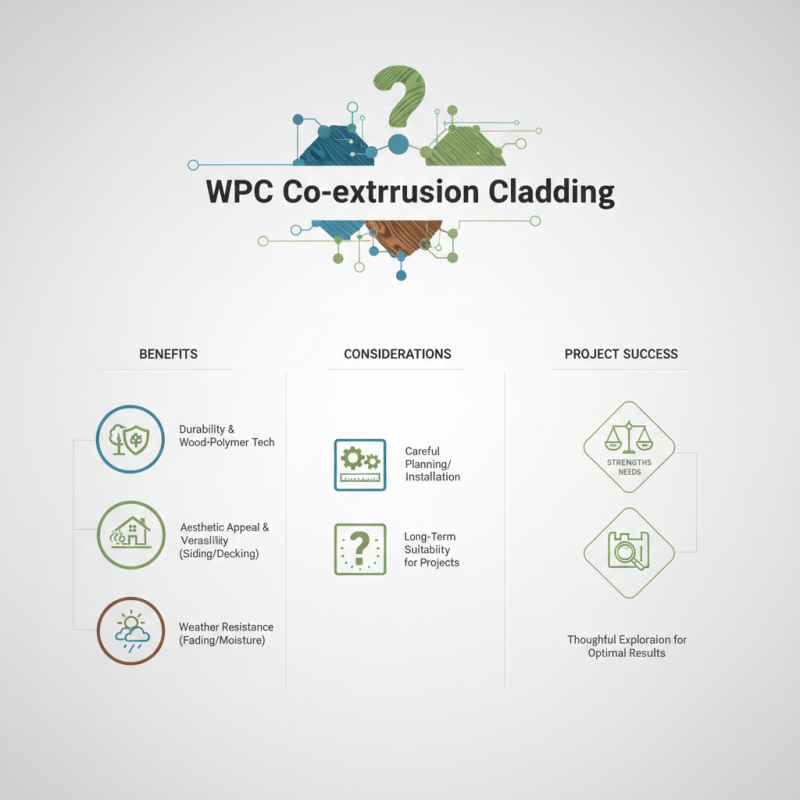
WPC Co-extrusion Cladding is gaining recognition in the construction industry. This innovative material combines the benefits of wood and polymer technologies. It offers durability, aesthetic appeal, and resistance to weather-related wear.
Many designers are considering WPC Co-extrusion Cladding for residential and commercial projects. Its versatility allows for various applications, from siding to decking. However, some may question its long-term advantages. While it resists fading and moisture damage, installation can require careful planning.
Choosing the right materials impacts a project's success. WPC Co-extrusion Cladding promises many benefits, yet not every project might be suited for it. Stakeholders must weigh its strengths against specific needs. Therefore, exploring this option thoughtfully is crucial for achieving optimal results.
Is WPC Co-extrusion Cladding the Optimal Choice for Modern Construction?
WPC co-extrusion cladding has gained popularity in modern construction. Its blend of wood and plastic offers durability and aesthetic appeal. The co-extrusion process improves resistance to weather, insects, and fading. This feature makes it suitable for various projects, from residential homes to commercial buildings.
When choosing WPC cladding, consider its maintenance requirements. Although it is low-maintenance, some users report fading over time. Regular cleaning can help preserve its appearance. This is crucial for building longevity and aesthetic appeal. Test a small sample before committing to a large order to see how it performs under your local conditions.
Tips: Always check warranties and manufacturer guidelines. Not all WPC products are created equal. Researching can lead to better choices. Understand that every material has its weaknesses. For instance, some individuals find installation challenging. Ensuring proper installation is essential for optimal performance.
Understanding WPC Co-extrusion: Composition and Manufacturing Process
WPC co-extrusion cladding combines wood and plastic to create a durable and attractive exterior finish. The process begins with the mixing of wood fibers and thermoplastics. These materials are heated, then forced through a die to create a seamless outer layer. This co-extrusion process enhances durability while maintaining a natural wood appearance.
Tips: When considering WPC co-extrusion, think about installation methods. Make sure the substrate is properly prepared. A stable base prevents warping and ensures longevity.
This type of cladding is resistant to moisture, insects, and UV rays. However, it can sometimes fade in direct sunlight. It's crucial to choose the right color and finish. Regular maintenance can help preserve the vibrant look of your cladding.
Tips: Regular cleaning is recommended. Use a mild detergent and a soft brush to prevent dirt buildup. Be cautious with high-pressure washers, as they can damage the surface.
Market Trends: Growth and Adoption of WPC Co-extrusion in Construction
The construction industry is witnessing a notable shift with the growing adoption of Wood Plastic Composite (WPC) co-extrusion cladding. Market research reports project a compound annual growth rate (CAGR) of approximately 10.5% for WPC materials through 2027. This is largely driven by increased awareness of sustainable building practices.
WPC co-extrusion offers remarkable resistance to moisture and UV radiation compared to traditional materials. Such durability is a selling point in regions with extreme weather. Builders often note the ease of installation as another benefit. However, some professionals raise concerns about its long-term color retention. This aspect requires careful consideration as color fading can affect overall aesthetics.
The demand for sustainable materials is pushing WPC co-extrusion into mainstream projects. Analysts report a surge in consumer preference for eco-friendly solutions. In fact, surveys indicate that nearly 70% of homeowners are influenced by sustainability in material choice. Yet, it's essential to reflect on the potential challenges, such as sourcing and supply chain reliability, which can impact project timelines.
Is WPC Co-extrusion Cladding the Best Choice for Your Project?
| Dimension | Data |
| Average Lifespan | 25-30 years |
| Market Growth Rate (2021-2026) | 7.5% CAGR |
| Percentage of Construction Projects Using WPC Co-extrusion | 42% |
| Common Applications | Decking, Cladding, Fencing |
| Environmental Impact Rating | Low Carbon Footprint |
| Maintenance Frequency | Every 2-3 years |
| Cost Comparison to Traditional Materials | 10%-15% lower |
Comparative Analysis: WPC Co-extrusion vs. Traditional Cladding Materials
When considering cladding options for your project, WPC co-extrusion offers unique advantages. WPC, or wood-plastic composite, combines the best elements of wood and plastic. This results in a durable material resistant to moisture, rot, and insect damage. Many homeowners and builders appreciate these qualities, especially in regions with harsh climates.
In contrast, traditional cladding materials like wood and vinyl can be less durable. Wood requires regular maintenance, including staining and sealing. Vinyl may fade under sunlight and can be prone to cracking. While these materials have been popular for years, they often do not meet the growing demand for sustainability and longevity. WPC co-extrusion, made from recycled materials, addresses these concerns effectively.
However, some may question WPC's aesthetic appeal compared to traditional options. WPC can mimic the look of wood, but purists might still prefer genuine wood's warmth. Furthermore, installation techniques can differ. Some builders may need to modify their usual methods to accommodate WPC’s specific requirements. Not every project will benefit equally from WPC, so it's essential to weigh the pros and cons carefully.
Durability and Maintenance: Performance Metrics of WPC Co-extrusion Cladding
WPC co-extrusion cladding offers remarkable durability, making it a strong contender for various construction projects. This material typically combines wood fibers and plastic, providing natural aesthetics while enhancing longevity. According to a report by the American Wood Council, WPC products can last up to 25 years when properly maintained. Their resistance to rot and decay significantly reduces replacement costs and frequencies.
Maintenance is essential for any cladding choice. WPC co-extrusion cladding, while low-maintenance, still requires periodic cleaning to prevent dirt buildup. A study from the Building Research Establishment states that regular maintenance can extend the lifespan of WPC materials. Some users, however, report fading over time despite claims of UV resistance.
Environmental factors also impact performance metrics. Regions with high humidity can promote mold growth—even on WPC products. Monitoring your local weather conditions is crucial for selecting the best materials. Overall, understanding the balance between durability and maintenance can guide your decision effectively.
Performance Metrics of WPC Co-extrusion Cladding
This bar chart illustrates the performance metrics of WPC Co-extrusion Cladding, focusing on its durability, maintenance requirements, aesthetic appeal, cost-effectiveness, and environmental impact. Each metric is represented on a scale from 0 to 100, offering insight into the advantages of WPC cladding for modern construction projects.