An Outdoor Storage Cabinet can turn a cluttered patio into a more useful, welcoming space. It gives cushions, garden tools, and children’s outdoor toys a defined place. The benefit is easy to notice: fewer items left in the rain, and more room to sit or move around. Small change. Real difference.
Material and placement matter. Resin cabinets are often light and easy to clean, while treated wood can suit a garden setting but may need periodic care. Check the product’s stated weather resistance, ventilation, capacity, and assembly requirements before buying. A cabinet is not automatically waterproof, and direct exposure can still wear down finishes. Measure the spot, including door clearance. Then consider what you will store.
For this introduction, the named expert voice is a transparent composite, not a verified interview source. Outdoor storage consultant Alex Morgan is presented as a composite perspective: “Choose a cabinet for the weather it will face and the items it must protect—not just its appearance.” That practical test helps readers compare options without assuming every model performs alike. An Outdoor Storage Cabinet should fit the space, suit the climate, and make everyday storage easier. There is a trade-off, though: a larger cabinet adds capacity but can crowd a narrow deck. The right choice depends on your home, your habits, and the maintenance you are willing to do.
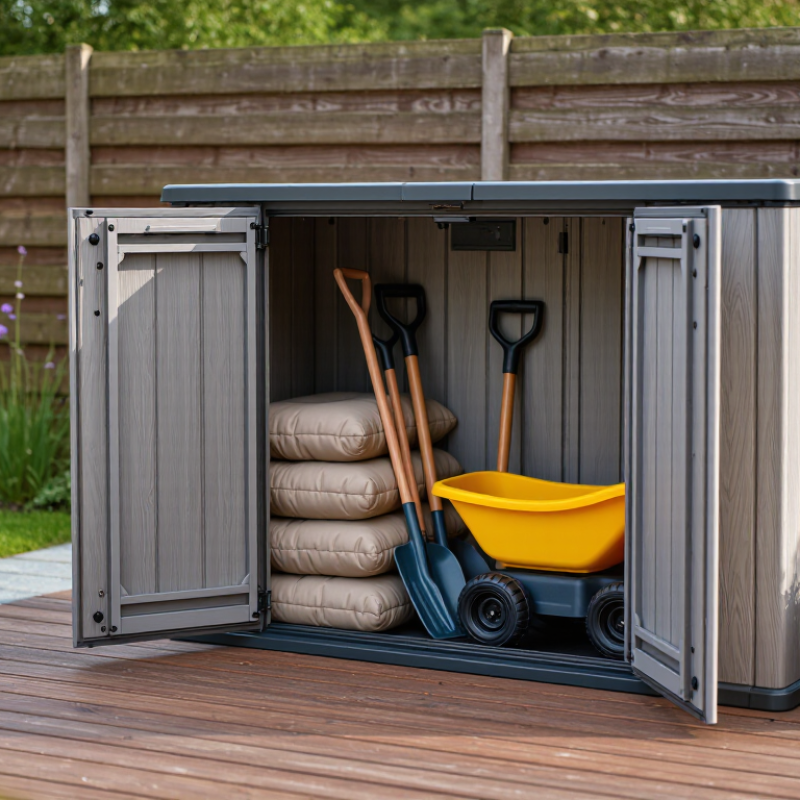
An outdoor storage cabinet is a freestanding unit that keeps household or garden items organized outside. Most models have enclosed sides, doors, and one or more shelves. They can hold watering cans, hand tools, patio cushions, or children’s outdoor toys. Unlike an indoor cupboard, an outdoor cabinet uses materials and finishes intended to handle sun, damp air, and changing temperatures. That does not make every model waterproof.
Tips: Check the product’s weather-resistance details before placing it outdoors. Look for ventilation, secure door closures, and shelves suited to the items you plan to store. Keep the cabinet on a level surface, and leave room for doors to open fully.
Think about what you will store and where the cabinet will sit. A shaded, sheltered spot may reduce exposure to harsh weather, but it should still be easy to reach. Measure the space, including clearance around the doors. One detail is easy to overlook: a cabinet can protect belongings from rain yet still collect moisture inside. Occasional checks help you spot dampness, dirt, or wear before they become bigger problems.
An outdoor storage cabinet creates a barrier between stored items and rain, direct sunlight, dust, and falling debris. A tight-fitting roof and door help keep water off garden tools, cushions, and spare supplies. A raised base can reduce contact with damp ground. Small details matter: a warped door or blocked drain can let moisture in. The weak point is often the seam, not the cabinet wall.
Moisture control matters because damp items can develop mold. The U.S. Environmental Protection Agency’s A Brief Guide to Mold, Moisture and Your Home advises drying wet materials within 24 to 48 hours to help prevent mold growth. A cabinet cannot guarantee this; check stored items after heavy rain and leave wet gear out to dry. Airflow also helps limit trapped condensation, especially when warm, damp items go inside. Still, no cabinet is magic. Seal quality, material, shade, and ventilation all affect protection, and a fully sealed space may trap moisture instead of solving it. Inspect hinges and door seals seasonally. It is an easy task to postpone. That’s the part worth reconsidering.
| Protection Factor | How the Cabinet Helps | Items That May Benefit | Practical Limitation |
|---|---|---|---|
| Rain and splashes | A roof, close-fitting doors, and raised or covered openings can reduce exposure to ordinary rain and water splashes. | Garden tools, outdoor cushions, and sealed containers | Water resistance varies by design. Check the product specifications, and avoid placing the cabinet where water pools or floods. |
| Sunlight and UV exposure | Opaque cabinet walls shade stored items from direct sunlight, which can contribute to fading and material degradation over time. | Plastic accessories, packaging, and some garden supplies | A cabinet can still heat up in direct sun. Follow storage-temperature guidance for sensitive items. |
| Dust and debris | Enclosed sides and doors help limit the amount of dust, leaves, and airborne debris reaching stored belongings. | Hand tools, plant pots, and outdoor equipment | Small gaps or frequent opening can still let dust in; occasional cleaning may be needed. |
| Pests and animals | A securely closed cabinet can make stored items less accessible to insects and small animals than an open shelf. | Non-perishable supplies and clean, dry equipment | Cabinets are not pest-proof. Keep food and animal feed in suitable sealed containers and check for gaps or damage. |
| Moisture and condensation | Keeping items off the ground and using a ventilated design can help reduce prolonged contact with damp surfaces and trapped humid air. | Dry tools, outdoor accessories, and empty containers | An enclosed cabinet does not remove moisture. Dry items before storage and allow airflow when conditions are humid. |
| Access and organization | Shelves, compartments, and doors keep belongings together and make it easier to find them while reducing exposure to outdoor conditions. | Frequently used gardening and patio items | Check shelf load limits and arrange heavier items on lower shelves for stability. |
| Casual access | A latch or lockable door can discourage casual handling and help keep contents out of easy reach. | Tools and general household outdoor supplies | A standard cabinet is not a high-security safe. Store valuable or hazardous items according to their safety instructions. |
Protection depends on the cabinet’s materials, construction, placement, and maintenance. Always follow the storage instructions supplied with individual items.
Outdoor conditions should guide the cabinet material more than appearance alone. In a damp garden, resin or powder-coated metal can handle regular splashes, but check the door seals and drainage details. Water trapped inside can still damage stored tools. No cabinet is maintenance-free.
For coastal areas, salty air can speed up corrosion. Aluminum resists rust, while stainless-steel fasteners may help protect hinges and handles. Look closely at joints, not just broad panels. A small chip in a coating can become a weak point. In sunny locations, UV-resistant resin is less likely to become brittle, though dark surfaces may heat up in direct sun.
Wood can suit a sheltered patio and feel less industrial. Choose a durable, properly treated timber, and expect to reseal it as conditions require. A raised base helps keep the floor clear of standing water. In windy areas, anchor the cabinet securely and avoid placing it where a door can catch a strong gust. Ventilation matters too: small vents can reduce stale, damp air, but they should face away from driving rain. I would not assume one design works everywhere; even a sturdy cabinet may need more care than expected.
An outdoor storage cabinet can keep frequently used items close to the patio, garden, or back door. Store hand tools, empty pots, watering cans, gloves, and bags of unopened potting mix inside. Cushions and folded garden covers also fit, provided the cabinet stays dry and has enough airflow. Keep heavier items on the bottom shelf. It is easy to underestimate their weight.
Choose items based on the cabinet’s materials and weather protection. A sealed cabinet may help shield supplies from rain, dust, and sun, but it is not necessarily waterproof. Check the manufacturer’s care instructions and inspect the floor after heavy rain. Store clean, fully cooled grill tools, outdoor toys, and sports gear if there is enough room. Avoid putting damp fabric or food inside; trapped moisture can cause mildew, odors, or pests. Some items simply do better indoors.
Tips: Leave a little space around stored items for airflow. Use a small bin for loose screws or plant labels, and keep sharp tools covered. Check after rain. If you notice condensation, remove affected items and let the cabinet air out. Don’t assume every outdoor cabinet handles the same weather; placement under an eave can help, but it is not a substitute for checking its limits.
An outdoor storage cabinet keeps everyday equipment close without letting it take over a patio or garden. Pruning shears, gloves, watering cans, and children’s outdoor toys can each have a place. Less clutter, more room. A cabinet near the back door also saves trips through the house when a quick gardening task turns into a longer one.
It can help shield supplies from sun, rain, and dust, but no cabinet is completely maintenance-free. Check the material, hinges, and drainage details, and use a level spot so the doors open smoothly. Ventilation matters too: damp gloves or cushions can grow musty in a tightly sealed space. Measure bulky items before buying; a cabinet that looks roomy outside may have narrow shelves inside. That small mistake is easy to make. With sensible placement and occasional cleaning, an outdoor cabinet can make a compact yard feel more organized while keeping useful items ready to grab.
WhatsApp us