Why Choose an Animatronic Ankylosaurus for Your Business?
Choosing an Animatronic Ankylosaurus can transform an ordinary business space into a memorable prehistoric experience. Its armored body, low stance, and heavy tail create an immediate visual story for visitors. Imagine guests entering a museum, attraction, retail venue, or educational center and seeing its head move slowly beside textured rocks. That moment can encourage curiosity, photography, and meaningful conversation.
A well-designed model does more than look impressive. It combines sculpting, mechanical engineering, programming, sound design, and dependable materials. Experienced fabricators can create controlled movements that appear natural rather than hurried. The dinosaur may blink, breathe, turn its head, or shift its tail with measured timing. These details support educational storytelling and make the display feel carefully researched. Accurate proportions and informative signage also help businesses present prehistoric science responsibly.
However, an Animatronic Ankylosaurus is not a magic solution. It needs suitable space, regular inspections, trained operators, and a clear maintenance plan. Moving parts can wear down. Sensors may need adjustment. Even a realistic skin finish can lose impact if lighting is poorly arranged. That is an important reflection for business owners. The strongest investment depends on thoughtful planning, reliable suppliers, and visitor safety. When design, content, and operation work together, the dinosaur becomes more than decoration. It becomes a durable attraction that supports brand identity, learning, and repeat engagement. Results can vary. Good planning matters.
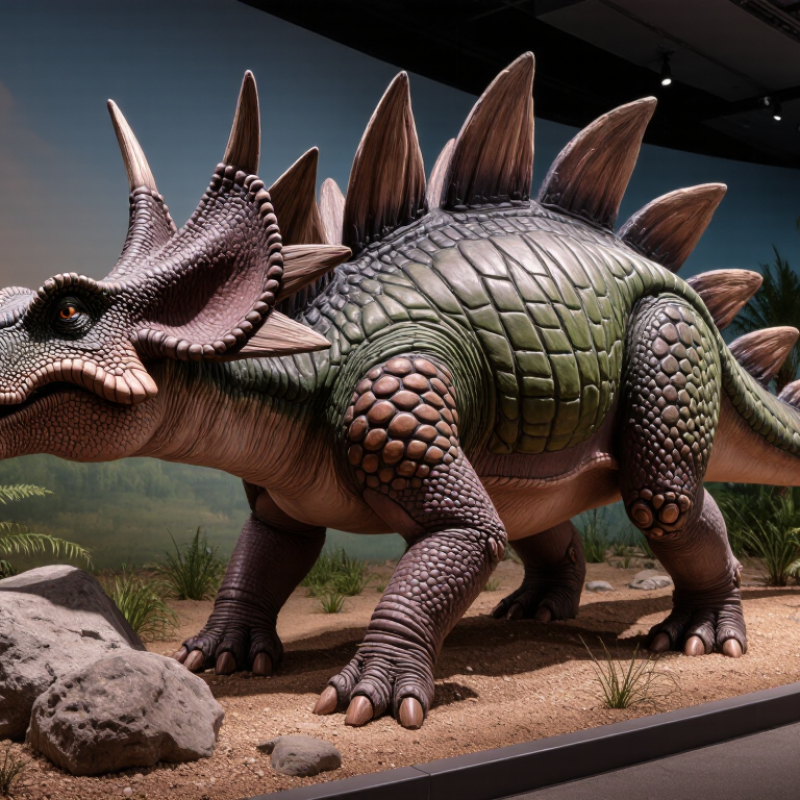
Define an Animatronic Ankylosaurus: Robotics, Materials, and Motion Systems
Why Choose an Animatronic Ankylosaurus for Your Business?
An animatronic Ankylosaurus combines robotics, structural materials, and programmed motion. Its steel or aluminum frame supports the body, tail, and heavy-looking armor plates. Foam, silicone, and fiberglass can shape realistic skin without creating excessive weight.
A 2023 AECOM and TEA Global Experience Index report recorded 244.6 million visits across the world’s top 25 theme parks. That scale shows why memorable creatures still matter in visitor experiences.
Motion systems determine whether the dinosaur feels alive or mechanical. Servo motors can control the head, jaw, tail, and legs with repeatable timing. Pneumatic cylinders may create stronger movements, but they require careful air management and maintenance. Sensors can detect nearby visitors and adjust movement safely.
A practical design should limit speed, noise, and sudden direction changes. The best effect is often subtle.
Materials need inspection schedules. Hinges loosen. Paint fades under sunlight. Weather seals also fail earlier than expected. This is where operating experience becomes valuable, although experience can still produce wrong assumptions.
I would test the creature through full daily cycles before opening. The International Association of Amusement Parks and Attractions reported that the global attractions industry supported millions of jobs and substantial visitor spending in its 2023 economic impact research.
A reliable Ankylosaurus should therefore entertain, remain serviceable, and fit the site’s visitor flow. Its robotics are important, but disciplined maintenance protects the investment.
Benchmark Visitor Demand Against TEA/AECOM 2023 Attendance Data
Why Choose an Animatronic Ankylosaurus for Your Business?
Visitor demand should guide the decision, not excitement alone. The TEA/AECOM 2023 attendance data offers a useful market reference. It tracks major theme parks and museums across global regions. However, it does not predict attendance for every local attraction. That limitation matters.
Compare your annual visitors with similar parks, museums, zoos, or family centers. Study regional attendance patterns before approving a dinosaur exhibit. A life-sized animatronic ankylosaurus can create a strong photo moment near an entrance or learning zone. Its armored body, swinging tail, and low mechanical rumble may hold attention longer than static signage. Families often pause when movement feels visible from a distance. Small details matter.
Measure the result carefully. Record queue length, dwell time, repeat visits, ticket upgrades, and nearby sales. Compare these figures with the same period before installation. TEA/AECOM benchmarks can provide context, but they cannot replace your own visitor data. A regional museum may attract fewer people than a major park, yet gain higher engagement per visitor. That difference is easy to miss.
The investment also needs practical review. Test noise levels, maintenance access, weather protection, and staff training. Some visitors may prefer a quieter display. Others may find repeated motion distracting. We may overestimate novelty. A dinosaur can attract attention, but weak interpretation may reduce its educational value. Use clear information about anatomy, movement, and prehistoric habitats. Let attendance data inform the choice, then let real visitor behavior challenge your assumptions.
Why Choose an Animatronic Ankylosaurus for Your Business?
Benchmarking visitor demand against 2023 global attendance totals reported by TEA/AECOM.
The 2023 benchmark shows substantial demand across major visitor attractions: approximately 241.3 million visits were recorded by the world's top 25 theme parks, while the top 20 water parks attracted approximately 64.6 million visits. A lifelike animatronic Ankylosaurus can help businesses create a memorable prehistoric focal point, encourage photo opportunities, and strengthen visitor engagement without relying on a specific company or brand.
Source: TEA/AECOM Global Experience Index 2023. Attendance figures are rounded and expressed in millions of visits.
Estimate ROI Using Maintenance, Staffing, and Animatronic Lifespan Metrics
Why Choose an Animatronic Ankylosaurus for Your Business?
An animatronic Ankylosaurus can create a memorable attraction without requiring a full-time performer. Its value depends on measurable operating results, not appearance alone. Track visitor numbers before and after installation, then compare ticket sales, dwell time, merchandise purchases, and group bookings. Use additional gross profit, not revenue, when estimating return on investment.
Maintenance is a major cost driver. Record daily inspections, actuator replacements, software support, cleaning, and unexpected repairs. A unit operating outdoors may need more frequent checks because dust, rain, and temperature changes affect moving parts. Staffing also matters. Measure setup time, safety checks, queue management, and shutdown duties. A reliable attraction may need less supervision, but it still requires trained staff. Do not assume zero labor.
Tips: Build a three-year spreadsheet. Include purchase cost, installation, energy use, insurance, maintenance, staffing, and downtime. Estimate lifespan conservatively, perhaps eight to twelve years, then test shorter scenarios. The result will be imperfect. That is normal. Visitor interest can decline, and repairs may arrive earlier than planned. Review the figures quarterly using service records and attendance data. A simple formula helps: ROI equals net additional profit divided by total investment. Replace optimistic guesses with documented numbers whenever possible.
Track Success Through Dwell Time, Conversion, and Revenue KPIs
Why Choose an Animatronic Ankylosaurus for Your Business?
An animatronic ankylosaurus can turn a quiet entrance into a measurable visitor experience. Its armored body, moving tail, and controlled sound create a memorable stopping point. In retail, museums, family venues, and themed hospitality spaces, attention can influence commercial results. However, spectacle alone does not prove success. Measure it.
Track dwell time through anonymous camera counts, manual observation, or zone sensors. Compare visits near the dinosaur with nearby areas and earlier weeks. Record five-minute intervals, weekday patterns, and repeat exposure. A practical dashboard can show whether guests stay twenty seconds or three minutes. Staff notes provide useful context. Children may pause while adults continue walking.
Connect engagement with conversion events, such as ticket purchases, product scans, bookings, or qualified inquiries. Use separate landing pages or trackable offers while respecting privacy requirements. Revenue per visitor matters more than raw sales. Compare baseline revenue, average transaction value, maintenance costs, and staffing time. Test placement. An earlier trial may underperform because the dinosaur blocked a walkway. Moving it beside a seating area could improve dwell time without harming circulation. Review the data weekly, but question unusual spikes before changing the whole experience.
