What is a Water Heater Heating Element and How Does It Work?
A Water Heater Heating Element plays a crucial role in maintaining hot water in our homes. This element is typically made of metal, installed in the tank, and responsible for heating the water. When you turn on the hot water tap, the element activates. It heats the water until it reaches the desired temperature.
Understanding how a Water Heater Heating Element works is important for homeowners. Regular maintenance can prevent unexpected breakdowns. A faulty heating element can lead to cold showers and inconvenience. In some cases, these elements can fail due to sediment buildup or corrosion.
The efficiency of a water heater greatly depends on the quality of its heating element. Knowing signs of wear and tear can save you time and money. For instance, an unusual noise might indicate a problem. Keeping an eye on this part ensures reliable hot water supply. Your home comfort might depend on this simple yet vital component.
What is a Water Heater Heating Element?
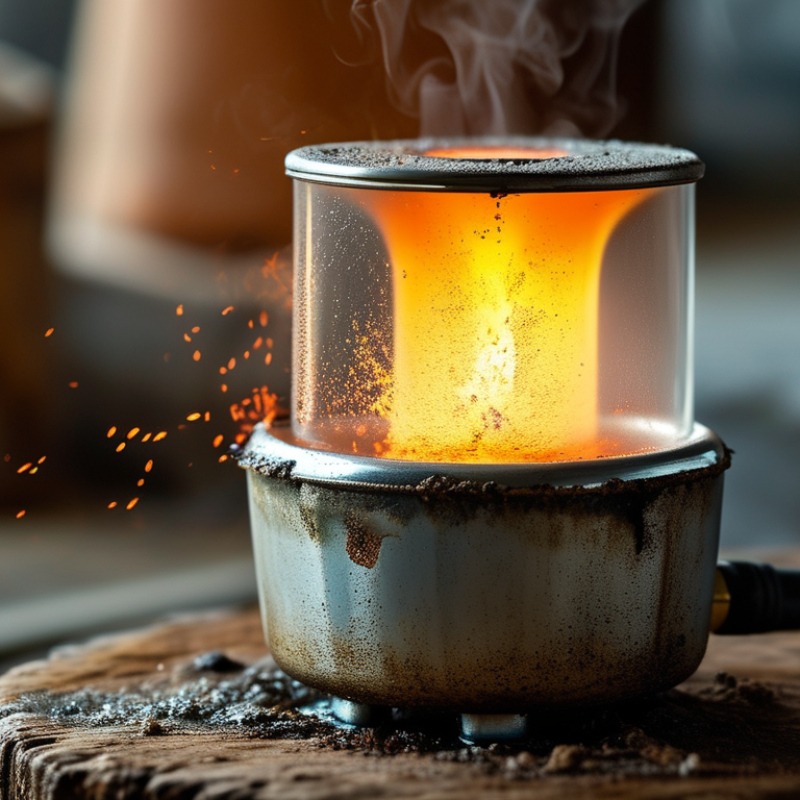
A water heater heating element is a crucial componentin Electric Water Heaters. It is designed to heat water by converting electrical energy into heat. Typically, heating elements are made from materials that can withstand high temperatures, such ascopper or stainless steel. These elements are submerged in water and work when electricity passes through them.
When you turn on your water heater, a current flows through the heating element. This generates heat, raising the temperature of the surrounding water. Once the water reaches the desired temperature, a thermostat turns off the heating element to conserve energy. If the thermostat fails, the water can overheat, which might lead to safety issues.
Tips: Regularly inspect your heating elements for signs of wear. If the water isn’t heating properly, it might indicate a problem. You can also flush the tank annually to remove sediment build-up. This can prolong the life of your heating element and improve efficiency. If you’re uncertain about repairs, it's wise to call a professional. A qualified technician can evaluate potential issues comprehensively.
Types of Water Heater Heating Elements Explained
Understanding the types of water heater heating elements is essential for efficient home heating. Generally, there are two main types: immersion elements and tankless elements. Immersion elements are typically found in traditional water heaters. They directly heat the water within the tank. A study by the Department of Energy revealed that these elements can be highly efficient, converting about 90% of the electricity consumed into heat.
On the other hand, tankless heating elements offer continuous hot water without the wait. They heat water on demand rather than storing it. This method reduces energy waste significantly, as illustrated in a recent report by the Energy Efficiency Association. The report states that homeowners can save between 24% to 34% on energy bills with the use of tankless systems.
However, installing these systems may pose challenges. For instance, the upfront costs can be higher compared to traditional systems. Additionally, the flow rate might not meet high simultaneous demand in larger households. Understanding these nuances is critical for making informed decisions about water heating systems.
How Heating Elements Generate Heat in Water Heaters
Heating elements are vital components of water heaters. They are responsible for generating heat to warm the water for various uses. The process begins when electricity flows through the heating elements, which are typically made of metal coils or tubes. This flow of electric current generates heat through resistance. The hotter the element gets, the more efficiently it heats the water surrounding it.
Inside the water tank, these heating elements transfer heat to the water, ensuring that it reaches the desired temperature. The heat exchange is crucial for maintaining hot water in homes. However, improper usage can lead to inefficiency. If sediment builds up around the heating element, it can reduce its effectiveness. Regular maintenance is essential to prevent these issues.
Interestingly, not all heating elements work the same way. Some are designed for quick heating, while others provide a steady heat supply. Choosing the right type for your system is important. If uncertain, consulting with a professional can help. Understanding how these heating elements function encourages better care and can extend the lifespan of your water heater.
Water Heater Heating Elements Efficiency
This bar chart illustrates the efficiency levels of different types of water heater heating elements. Electric heating elements exhibit the highest efficiency, followed by heat pumps and solar systems, while gas systems show comparatively lower efficiency. Understanding these differences can help consumers make informed choices about their water heating solutions.
Common Issues and Maintenance Tips for Heating Elements
Heating elements in water heaters are crucial for effective function. They generate heat to warm the water, ensuring you have hot water when needed. However, these elements can encounter common issues, affecting their performance. It’s essential to recognize these problems early to maintain efficiency.
One frequent issue is sediment buildup. Over time, minerals can accumulate on the heating element, leading to reduced efficiency. This buildup can increase heating times and energy costs. Periodic flushing of the tank can help reduce this problem. Another common concern is corrosion, which can shorten the lifespan of the heating element. Regular inspection can reveal early signs of degradation.
Maintenance tips include checking the heating elements for visible wear and replacing them as needed. Ensure the temperature is set correctly; excessively high temperatures can lead to premature failure. Tightening loose connections can prevent electrical issues. Remembering these tips can prolong the life of your water heater and improve efficiency, but it requires diligence and occasional adjustments.
Replacing and Upgrading Your Water Heater Heating Element
When replacing and upgrading a water heater heating element, understanding its function is vital. Heating elements are central to the water heating process. They convert electrical energy into heat, thereby warming the water in the tank. An inefficient element can increase energy costs. According to the U.S. Department of Energy, heating elements that are not functioning properly can waste up to 30% of energy.
Homeowners often overlook the need for upgrading their heating elements. Aging elements can lead to inconsistent water temperatures and longer heating times. In fact, the National Association of Home Builders reports that about 62% of homeowners experience issues with their water heaters after five years of use. Choosing to replace these components can enhance energy efficiency and extend the lifespan of the water heater itself.
Replacement should not be taken lightly. Tools required include a multimeter and an appropriate wrench. Safety is paramount. Always turn off the power before beginning any work. A DIY approach can save money, but it poses risks. According to industry reports, nearly 20% of DIY repairs lead to further issues. It might be wise to consult a professional for guidance on the best practices for replacements in order to avoid unnecessary complications.