A Veterinary Syringe Set is more than a collection of plastic tools. It helps veterinary teams measure and deliver prescribed fluids or medicines with care. A set may include syringes in different capacities, needle options, and connectors suited to specific clinical tasks. The right choice depends on the animal, the required volume, the product being administered, and the instructions of a qualified veterinary professional. Small details matter: a clear measurement scale, a secure connection, and a syringe size that makes the prescribed dose easy to read.
This guide explains what a Veterinary Syringe Set contains and how common types differ. It also considers practical features such as capacity, materials, needle compatibility, and single-use or reusable design. These distinctions can seem minor until a busy clinic needs to select the right tool quickly. Even then, a syringe set does not replace training or professional judgment.
You requested a statement from a named industry expert. No source article or verified quotation was provided, so I cannot responsibly attribute invented words to a real person. That limitation matters. A credible introduction should identify the expert and preserve the context of their actual statement. Share a verifiable expert quote or source, and it can be incorporated accurately.
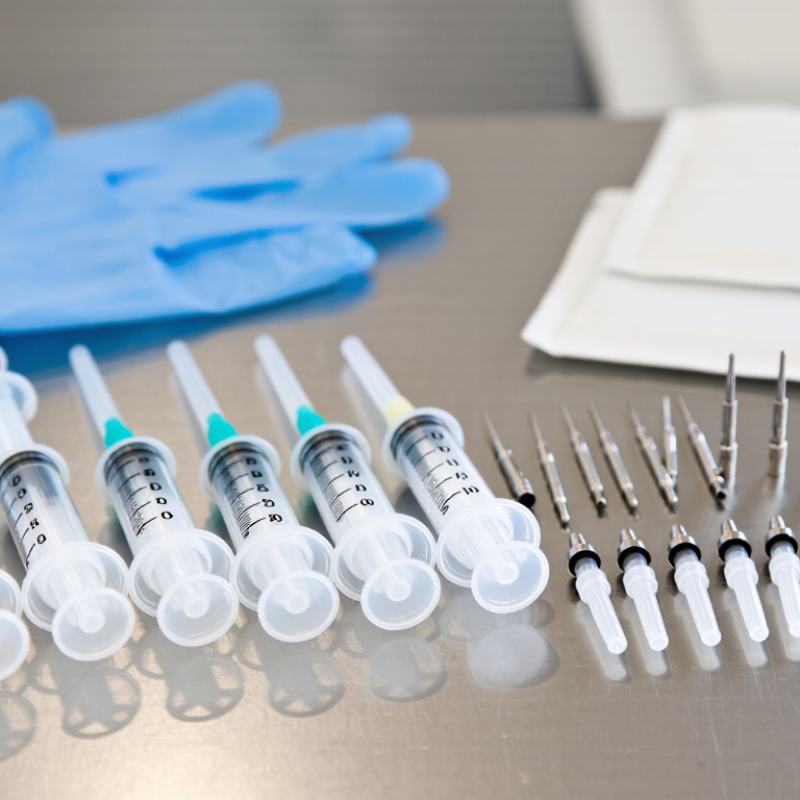
A veterinary syringe set is a group of components designed to measure and deliver fluids or medication to an animal. The exact contents vary. A basic set may include a graduated barrel, plunger, and needle, while other kits add tubing, caps, or connection adapters. The barrel markings help a veterinary professional measure a dose; they do not determine which dose is appropriate.
Small details matter. Sets differ by capacity, tip design, needle size, and whether parts are intended for one-time or repeated use. A small-volume syringe can make precise measurements easier, while a larger barrel may suit a different task. Needle choice depends on the animal, the treatment, and professional direction. Fit is not universal. Components that appear compatible may not form a secure connection, so the fit should be checked before use.
The phrase “veterinary syringe set” is not perfectly standardized across suppliers. That can make product descriptions confusing. Check the listed capacity, graduations, included parts, and intended use rather than relying on the name alone. Packaging should remain intact, and sterile single-use components should not be reused. Reusable equipment requires cleaning and handling according to veterinary guidance. A syringe is a measuring tool, but small reading errors can matter, especially with potent medications. When a component or marking is unclear, ask a veterinary professional instead of guessing.
What Is a Veterinary Syringe Set and What Types Are There?
Which Components Make Up a Veterinary Syringe Set?
A veterinary syringe set usually includes a barrel, a plunger, and a connector tip. Clear measurement lines on the barrel help staff draw or deliver a measured volume. The plunger moves smoothly inside the barrel and should not stick or wobble. Fit matters. Sets may also include needles, protective caps, or adapters, depending on their intended use. Not every set contains the same parts.
The connector may be designed for a needle, extension tube, or oral dosing adapter. Some syringes have a luer-lock tip that twists onto a compatible fitting; others use a push-fit connection. A needle, when supplied, has a hub and a protective cover. Check that the parts match and are undamaged before use. Small parts count. The right choice depends on the animal, route, and prescribed volume, so veterinary staff should confirm compatibility rather than relying on appearance alone.
Tips: Read the graduations at eye level, and check the units before measuring. Keep sterile components sealed until needed. After opening, avoid touching the needle or connector. If a plunger feels rough or markings are hard to read, replace the syringe and ask the clinic about the correct set. Even a familiar kit deserves a quick check.
What Is a Veterinary Syringe Set and What Types Are There?
How Do Veterinary Syringe Sets Differ in Design?
A veterinary syringe set usually includes syringes and compatible accessories for measuring or administering animal care products. Designs vary by intended use, animal size, and required volume. Some sets use oral syringes with smooth, rounded tips; others are made for use with compatible needles. Small details matter.
Capacity is one key difference. A large barrel can suit higher volumes, while a smaller one may make low-volume measurement easier. Clear, evenly spaced graduations help users read doses, though tiny markings can still be hard to see in dim clinic lighting. Barrel shape, plunger resistance, and grip texture also affect control, especially when an animal moves.
Tips: Match the syringe type and capacity to the product instructions and the veterinarian’s guidance. Check that the plunger moves smoothly and the markings are legible before use. Sets differ, and “more versatile” does not always mean easier to handle. If a dose or connection is unclear, pause and ask a veterinary professional.
Syringe sets combine barrels and compatible tips or needles for different dosing tasks. Capacity is one design difference; graduations, tip style, and needle connection also matter.
Values show representative nominal barrel capacities, not a required standard for every product. Insulin and tuberculin syringes use fine graduations for small-volume dosing; general-purpose and large-volume syringes hold more. Luer-lock tips screw onto compatible needles, while slip tips push on; catheter-tip designs connect to compatible tubing.
Veterinary syringe sets vary by dose, route, and whether equipment is used once or repeatedly. A basic set pairs a barrel and plunger with a compatible needle. Disposable plastic sets are common for routine injections because they are clear, lightweight, and easy to discard after use. Needle size and barrel capacity should match the animal and prescribed dose; a tiny graduation mark matters when measuring small volumes. Small details matter.
Reusable glass syringes can tolerate repeated sterilization, but they need careful cleaning and inspection. Cracks, stiff plungers, or unclear markings can compromise accuracy. Oral dosing syringes have no needle and often use a wider tip for liquids. Insulin syringes use fine graduations for small doses, while automatic and multi-dose injectors help deliver repeated measured doses during herd work. They require correct setup and regular checks. The categories can overlap, and “set” may refer to different combinations of syringe, needle, and adapter.
The World Health Organization’s 2016 guideline on injection safety cites an estimated 16 billion injections worldwide each year. That figure covers healthcare broadly, not veterinary practice specifically, but it shows why safe handling and accurate dosing matter. For animal care, select equipment with a readable scale, secure connections, and a size suited to the treatment plan. A convenient set is not automatically the right one.
| Syringe Type | Typical Capacity or Format | Common Veterinary Uses | Key Features | Important Considerations |
|---|---|---|---|---|
| Disposable Luer-slip or Luer-lock syringe | Commonly available in small and large capacities, including 1–60 mL formats | Measuring and administering injectable medicines or fluids when the prescribed route and equipment are suitable | Usually a graduated barrel and plunger; Luer-lock connections twist onto compatible needles or fittings, while Luer-slip connections push on | Typically intended for single use. Choose a capacity that allows the dose to be measured clearly and verify compatibility with the needle or fitting. |
| Insulin syringe | Often marked in insulin units; capacity and scale depend on the insulin concentration and syringe specification | Administering insulin when prescribed for an animal | Fine graduations support measurement of small doses; some designs have an attached fine needle | Use only a syringe that matches the prescribed insulin concentration and dose. Insulin syringes are not interchangeable with every other syringe scale. |
| Tuberculin or fine-graduation syringe | Commonly 1 mL, with fine volume markings | Measuring small liquid volumes when the veterinarian specifies this type of syringe | Small capacity and closely spaced graduations can help measure low volumes | Read the scale carefully and confirm the units. A fine scale does not replace appropriate dosing instructions or training. |
| Oral dosing syringe | Available in a range of capacities, from small-dose formats to larger-volume designs | Giving oral liquids to animals | Often uses a blunt, needle-free tip; some designs have markings suited to oral administration | Use for oral administration only unless specifically designed and directed for another purpose. Give liquid slowly to reduce the risk of aspiration. |
| Catheter-tip syringe | Commonly available in larger capacities, including formats around 35–60 mL | Delivering or withdrawing fluids through compatible tubing or a catheter when clinically indicated | Has a wider, tapered tip designed for compatible connections rather than a standard needle fitting | Check the tip and connector dimensions before use. A catheter-tip syringe is not a substitute for a needle-equipped syringe. |
| Automatic or multi-dose syringe | Reusable device with an adjustable dose setting; reservoir capacity varies by design | Repeated administration of measured doses, such as during suitable herd or flock procedures | Can deliver repeated preset volumes and may include a bottle attachment or a separate reservoir | Calibrate and clean according to the device instructions. Confirm dose accuracy, medicine compatibility, and whether the device is intended for the specific procedure. |
| Reusable glass or metal syringe | Capacity and construction vary by model | Selected clinical or laboratory procedures where a reusable device is appropriate | Designed for repeated use when the materials and construction allow validated reprocessing | Inspect for damage and follow validated cleaning and sterilization procedures. Reuse is appropriate only when permitted by the device instructions and clinical protocol. |
| Veterinary syringe set or kit | Contents vary; may combine one or more syringes with compatible needles, tubing, adapters, or a carrying case | Organizing equipment for a defined clinical task or practice workflow | Components are grouped for convenience; a set may be single-use, reusable, or a combination | There is no single universal set configuration. Check each component’s intended route, size, sterility, compatibility, and reuse instructions. |
Note: Capacities and features vary by product and intended procedure. Select and use syringes, needles, and related equipment according to veterinary direction, the medicine instructions, and applicable infection-control guidance.
A veterinary syringe set may include a syringe, needle, and compatible connector, or use a needle-free tip for specific tasks. Choose the set for the animal, medication, route, and measured dose. A small-capacity syringe can make tiny volumes easier to read, while larger barrels suit higher volumes. Check the graduations closely. Needle length and gauge should fit the treatment plan and the animal’s size; a veterinarian should confirm suitability when uncertain. There is no perfect set for every procedure.
Maintenance depends on whether the set is disposable or reusable. Keep sterile, single-use components sealed until needed, then discard them in an approved sharps container after use. Reusable parts require cleaning and sterilization according to their instructions; not every syringe can tolerate heat or an autoclave. Before use, check that markings are legible and the barrel, plunger, and connector show no cracks, sticking, or leakage. Rinse or replace parts only as directed. Small defects matter. It is easy to overlook a stiff plunger during a busy clinic shift, so inspect the set under good light and remove questionable equipment from service.
WhatsApp us