Choosing a salon furniture supplier in 2026 means looking beyond polished product photos. A chair may look elegant online, yet feel unstable after a full day of appointments. Stylists notice the details: smooth hydraulic lifts, easy-clean upholstery, sturdy footrests, and drawers that open without sticking. Clients notice comfort. Owners notice repair costs, delivery delays, and whether replacement parts remain available.
“The details are not the details. They make the design,” furniture designer Charles Eames famously said. That idea fits salon equipment especially well. A shampoo unit must support a comfortable wash, while leaving staff enough room to move. A styling station should keep tools close without crowding the mirror. Small choices matter. Still, no supplier is best for every salon. A busy urban studio may prioritize compact layouts and fast shipping; a spacious spa may value custom finishes and coordinated furniture. Claims about durability deserve scrutiny, too. Ask about frame materials, warranty terms, cleaning guidance, assembly, and service after purchase. Request written specifications, not just attractive renderings. This guide compares notable suppliers through practical factors, including product range, customization, support, and value. The comparison can narrow a shortlist, but it cannot replace checking measurements against your actual floor plan. A missed outlet or tight walkway can spoil an otherwise excellent setup.
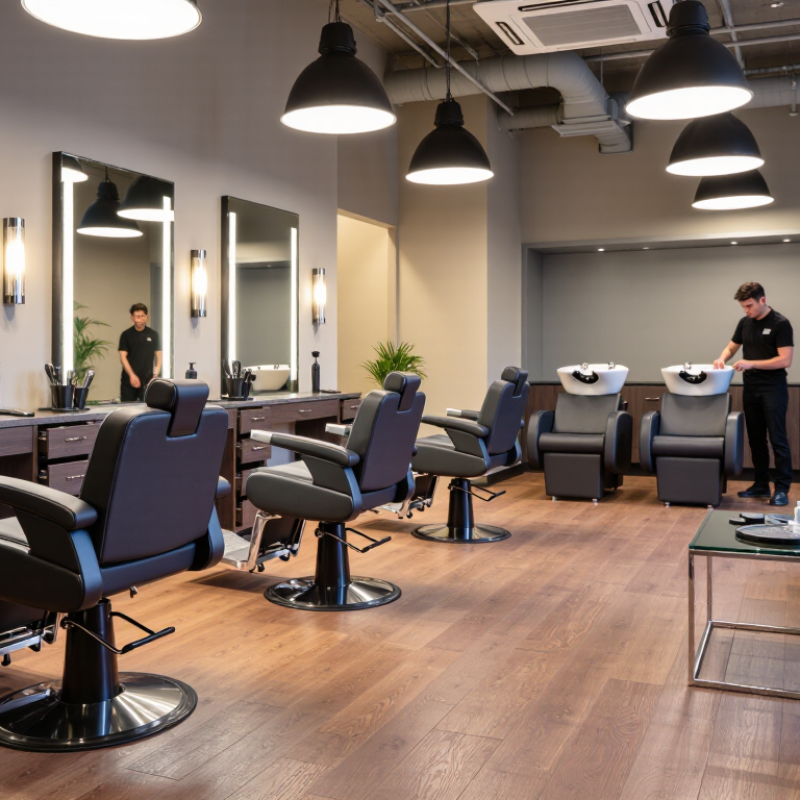
A leading supplier offers more than attractive chairs and polished reception desks. Their furniture should withstand daily use, clean easily, and fit the salon’s floor plan. Check chair weight ratings, upholstery specifications, warranty coverage, and replacement-part availability. A shampoo unit should also suit existing plumbing and leave enough room for staff movement. Details matter. The Global Wellness Institute’s 2024 Global Wellness Economy Monitor valued the wellness economy at $6.3 trillion in 2023. This broad figure is not a salon-furniture market estimate, but it signals a large, evolving customer-service sector.
Tips: Request written specifications and a sample of the upholstery. Measure doorways, station spacing, and plumbing locations before ordering. Ask for a realistic delivery window and written details on installation, repairs, and parts. Small gaps in these answers can become costly later.
Reliability shows up after installation. Ask how the supplier handles damaged deliveries, warranty claims, and discontinued parts. Request references from salons with a similar layout or service mix. If possible, test a chair at working height and inspect its seams, base, and adjustment controls. A low quote may still be useful, but compare it with freight, assembly, lead time, and support. No supplier is flawless; clear documentation makes problems easier to spot and resolve.
Salon furniture suppliers typically offer styling chairs, mirror stations, shampoo units, reception seating, and storage. Styling chairs often include hydraulic height adjustment and a footrest, helping accommodate different clients. Check the base diameter, upholstery seams, and weight rating before ordering. Small details matter. A chair that looks comfortable online may feel cramped during a long appointment.
For wash areas, suppliers sell shampoo units with reclining seats, ceramic basins, and plumbing connections. Confirm that the basin suits your room’s water lines and that staff can reach the controls easily. Nail salons may need manicure tables, technician stools, and pedicure chairs with foot basins. Rolling trolleys keep tools nearby, while enclosed cabinets reduce visible clutter. Not every salon needs every piece.
Ask suppliers for measurements, upholstery-care instructions, delivery details, and replacement-part availability. These answers make comparisons more reliable than photos alone. I would also leave room for an imperfect fit: a workstation that suits one stylist may not suit another’s reach or workflow. Test dimensions against the actual floor plan, including space behind reclining chairs and around walkways.
Who are the top salon furniture suppliers in 2026? The strongest choices are not necessarily the largest sellers. Look for suppliers that provide clear product specifications, replacement parts, realistic lead times, and written warranty terms. Grand View Research valued the global beauty salon market at USD 215.65 billion in 2023 and projected an 8.1% compound annual growth rate from 2024 to 2030. This signals expanding demand, but it does not rank furniture suppliers. Salon growth and supplier reliability are different questions.
Compare chairs, shampoo units, and storage by how they perform in daily use. Check the chair’s adjustment range, upholstery seams, base stability, and cleaning instructions. Ask for load ratings and shipping dimensions before ordering; a chair that cannot fit through the doorway is an expensive surprise. Details matter. A supplier should also explain how damaged parts are replaced and whether finishes match across later orders.
Treat “top” as a practical shortlist, not a universal ranking. Review independent customer feedback, request product documents, and inspect a sample when possible. For multi-location salons, consistent specifications and dependable restocking may matter more than a low unit price. I would still be cautious: published market forecasts describe demand, not the quality of any individual supplier. The best fit is the one that can support your layout, budget, and maintenance needs with evidence, not promises.
Leading salon furniture suppliers can look similar online, but their product ranges differ in practical ways. Some offer coordinated styling chairs, shampoo units, reception desks, and storage. Others focus on a narrower selection with more upholstery colors or frame options. Check seat-height adjustment, base stability, basin dimensions, and whether plumbing connections fit your space. Small details matter. A chair that feels comfortable for five minutes may feel different during a full appointment.
Service can separate suppliers just as much as product design. Compare delivery estimates, assembly support, replacement-part access, and warranty terms in writing. Ask who handles damaged shipments and how quickly common parts can be supplied. Request material samples when possible; screen images can distort color and texture. A broad catalog is not proof of better support. That comparison is imperfect, since service quality can vary by location and order size. I may be giving repair access extra weight, but a salon cannot easily pause work while waiting for a missing hydraulic pump. Check references, confirm measurements, and keep the quote details for comparison.
Choosing a salon furniture supplier starts with the room, not the catalogue. Measure doorways, workstations, and walking paths before comparing products. A styling chair may look compact online but block a narrow aisle in practice. Measure twice. Ask for exact dimensions, weight limits, upholstery details, and cleaning instructions. These specifics help prevent costly mismatches.
Check how the supplier handles repairs, replacement parts, delivery, and installation. A clear warranty matters, but so does knowing how long common parts take to arrive. Request written answers and confirm whether delivery includes carrying furniture inside. For a shampoo unit, check plumbing requirements and chair adjustment range before ordering. Small details matter. They affect daily comfort and workflow.
Look for consistent product information and realistic delivery estimates, rather than broad promises. If possible, inspect a sample or test similar furniture in person. Sit in the chair, adjust it repeatedly, and notice whether the controls feel sturdy. A supplier may offer many options, yet too much choice can slow decisions. I would not treat the lowest quote as the best value; still, a higher price alone proves little. Compare durability, service, and fit for your salon’s actual use.
| Supplier Type | Typical Product Range | Best Fit For | What to Compare | Checks Before Ordering |
|---|---|---|---|---|
| Full-line salon furniture suppliers | Styling chairs, shampoo units, stations, reception furniture, and related salon equipment. | Salons furnishing several areas or coordinating a new fit-out. | Product range, finish options, delivery arrangements, assembly services, and warranty terms. | Confirm that dimensions, plumbing connections, electrical requirements, and delivery access suit the premises. |
| Specialist chair suppliers | Styling chairs, barber chairs, hydraulic bases, stools, and chair replacement parts. | Salons prioritizing seating comfort, frequent chair use, or replacement seating. | Adjustment range, upholstery options, base construction, stated load capacity, parts availability, and warranty coverage. | Review the chair’s specifications and test a sample where possible; ask how service parts can be obtained. |
| Shampoo-unit and backwash specialists | Backwash units, shampoo bowls, reclining chairs, and compatible plumbing components. | Salons planning a wash-area installation or replacing existing backwash equipment. | Bowl material, chair dimensions, recline mechanism, connection requirements, and installation support. | Have a qualified installer check water supply, drainage, access, and local plumbing requirements before purchase. |
| Salon equipment distributors | Furniture and equipment sourced from multiple manufacturers, often with ordering and delivery support. | Buyers who want to compare several product ranges through one purchasing channel. | Stock status, quoted lead time, shipping charges, return conditions, and who handles warranty claims. | Get delivery dates, freight terms, and return procedures in writing; clarify whether products ship assembled or flat-packed. |
| Custom furniture fabricators | Made-to-order reception desks, cabinetry, stations, storage, and selected upholstered pieces. | Salons with unusual layouts, specific storage needs, or a coordinated interior design plan. | Design drawings, material specifications, finish samples, production schedule, and installation scope. | Approve measured drawings and a written specification before production; document change, payment, and defect procedures. |
| Refurbished-equipment dealers | Pre-owned or refurbished chairs, stations, wash units, and other salon equipment. | Businesses seeking used equipment or a lower initial purchase cost. | Condition, refurbishment work, included parts, warranty or return coverage, and transport costs. | Request current photographs and a written condition report; inspect moving, hydraulic, electrical, and plumbing components. |
| All supplier types | Terms and support that affect the complete purchase, not just the furniture itself. | Any salon comparing quotations or selecting a supplier for a major purchase. | Total delivered cost, confirmed lead time, warranty terms, after-sales contact, spare parts, and payment conditions. | Check applicable local safety, electrical, building, plumbing, and upholstery requirements. Requirements vary by product and jurisdiction. |
| How to use this comparison: Supplier categories are not a ranked list. Compare current written quotations and product specifications because prices, availability, warranties, certifications, and delivery terms vary by supplier, product, and location. | ||||
WhatsApp us