Top Electronic Cigarette Types for Global Buyers in 2026?

Global buyers evaluating electronic cigarette types in 2026 need more than a sleek-device comparison. Common categories include cigalikes, refillable pod systems, open-tank devices, and prefilled formats, where permitted. Their differences affect maintenance, battery life, liquid handling, and ongoing costs. The Vaping Electronic Cigarette market is also changing quickly. Grand View Research estimated the global e-cigarette market at USD 26.8 billion in 2024 and projected a 14.3% compound annual growth rate for 2025–2030. Forecasts are not guarantees. Estimates can differ by research method and product scope, and market growth does not establish that any device is safe or suitable.

Health evidence belongs in the same comparison. The World Health Organization states that e-cigarettes are harmful and not safe, and that nicotine is highly addictive. The U.S. Centers for Disease Control and Prevention also cautions that these products are not safe for youth, young adults, or pregnant people. Buyers should review independent specifications, battery protections, ingredient disclosures, warranty terms, and applicable local rules. Regulations vary widely; some places restrict or prohibit sales. Context matters. This guide compares device types through practical features, evidence quality, and responsible-use considerations—not popularity alone. Product labels may omit relevant detail, and long-term evidence continues to develop. This overview is general information, not personal medical advice.
Top Electronic Cigarette Types for Global Buyers in 2026?

Classification of E-Cigarettes by Design and Liquid System

Top Electronic Cigarette Types for Global Buyers in 2026?
Classification of E-Cigarettes by Design and Liquid System

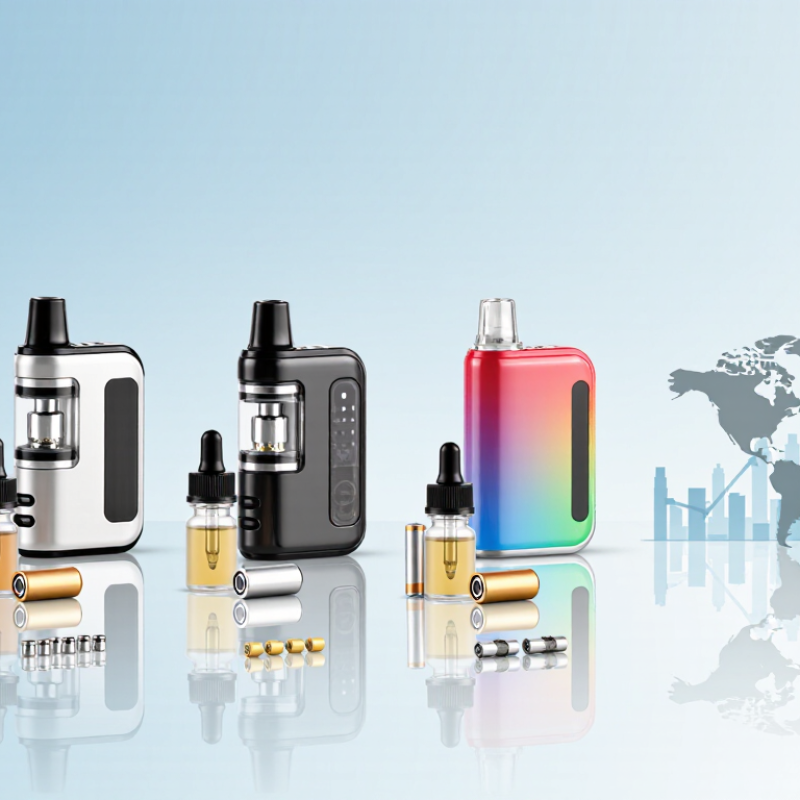
Electronic cigarettes can be grouped by their shape and how they hold e-liquid. Pod devices are compact, with a small cartridge that fits into the main unit. Some use prefilled pods; others have refillable ones. Pen-style devices are longer and often pair a simple body with a tank. Box-style devices are larger, with more visible controls and a separate liquid reservoir. The categories can blur. A slim device may still use a refillable tank.

The liquid system is often the more useful comparison. Closed systems use sealed, prefilled cartridges, so users do not pour liquid into the device. Open systems use refillable pods or tanks, which need careful filling and regular cleaning. Look for clear product specifications, leak-resistant connections, readable liquid-capacity details, and replaceable components. Materials and labeling matter. They do not tell the whole story, though; manufacturing quality can vary, so verify claims with reliable documentation.

Tips: Check whether the cartridge is sealed or refillable before comparing models. Inspect the fill opening and seals; small gaps can mean mess. Confirm that replacement parts are available in your market. And pause over vague specifications.

Top Electronic Cigarette Types for Global Buyers in 2026

Classification of E-Cigarettes by Design and Liquid System

The chart classifies common device designs by their typical liquid systems: sealed or prefilled formats, refillable reservoirs, or both. Values are categorical indicators, not sales figures or market shares. Product configurations vary by model and market.

Disposable E-Cigarettes and Their Single-Use Format

For global buyers in 2026, disposable e-cigarettes are a distinct format, arriving assembled with a prefilled reservoir and built-in battery. They are intended for use until the liquid or battery runs out, then the whole unit is discarded. Simple handling. That convenience also limits repair and component replacement. Before sourcing, check product specifications, ingredient disclosures, packaging language, age controls, and destination-market requirements. Rules vary widely, so acceptance in one market does not guarantee acceptance elsewhere.

Practical checks matter. Request batch-level quality records, leak testing, battery safety documents, and clear storage instructions. Inspect samples for loose mouthpieces, uneven airflow, or damaged seals; these defects can be hard to spot in catalog photos. The single-use format also creates waste, since batteries and electronics are combined with other materials. Confirm local collection and disposal options rather than treating used devices as ordinary rubbish. There are trade-offs. Compactness may be useful, but costs per use can be higher, and the device offers little flexibility once opened. Buyers should weigh compliance, transparent specifications, and end-of-life handling alongside unit price.

Top Electronic Cigarette Types for Global Buyers in 2026? — Disposable E-Cigarettes and Their Single-Use Format

Device Type Typical Format Refillable? Charging and Power Use and Maintenance Waste and Regulatory Considerations
Disposable e-cigarette Pre-filled device designed for single-use disposal; commonly compact and draw-activated. No. The liquid reservoir is not intended to be refilled. Some models are non-rechargeable; others include a rechargeable battery. “Disposable” describes the intended product lifecycle, not necessarily whether it can be charged. Minimal routine maintenance. The complete device is discarded when it is depleted or no longer functions. Contains electronic components and a battery, so local rules may require separate collection or restrict sales. Single-use product rules vary by jurisdiction.
Closed-system pod device Reusable battery unit paired with pre-filled, replaceable pods or cartridges. Usually no; the pod is replaced rather than refilled. The battery unit is typically rechargeable; the pod is replaced when empty. Requires charging and replacement pods. The device body can be used repeatedly while serviceable. Creates waste from used pods and packaging, while retaining the battery unit for multiple uses. Product and nicotine rules vary by market.
Open-system pod device Reusable device with a refillable pod or small tank. Yes, where the device is designed for refilling. Typically rechargeable, with a replaceable or refillable liquid container. Requires refilling, cleaning as directed, and periodic replacement of worn components. Refill containers and device components still require appropriate disposal. Liquid capacity, labeling, and sales requirements differ across jurisdictions.
Vape pen or tank-style device Reusable battery paired with a tank or cartridge, often larger than a pod device. Often refillable, depending on the design. Usually rechargeable; some designs use replaceable batteries. May require refilling and replacement of coils or other consumable parts. Includes batteries and electronic components that should not automatically be placed in general waste. Local product standards apply.
Advanced personal vaporizer Reusable, configurable device with a tank or atomizer and adjustable settings. Often refillable, depending on the atomizer and device configuration. Rechargeable or battery-powered; specifications vary by model. Requires more user involvement, including setup, charging, and replacement of compatible components. Compatibility, labeling, battery transport, and market authorization should be checked for the destination country.

Important: This table describes general device formats, not a ranking or endorsement. Availability and legal requirements change by country and may include age limits, nicotine restrictions, product standards, import controls, or bans. E-cigarettes are not risk-free; nicotine is addictive, and these products are not intended for children or people who do not use tobacco or nicotine.

Closed-System Devices with Prefilled Pods or Cartridges

Closed-system devices use prefilled pods or cartridges, so users replace the sealed unit rather than refill a tank. This limits handling and keeps routine operation simple. Small details matter. Buyers should inspect the connection fit, seal integrity, batch coding, and packaging before accepting a shipment. A loose pod can leak in transit; a damaged seal may compromise product quality. Ask suppliers for clear storage instructions and traceable quality-control documentation.

Grand View Research estimated the global e-cigarette and vape market at USD 26.7 billion in 2024, with projected growth through 2030. This broad market figure does not show how much demand belongs to prefilled systems, so it should not be treated as a pod-specific forecast. For global procurement, compare cartridge availability, packaging consistency, and replacement-unit compatibility across shipments. Check that product specifications and required documentation match the destination market. Convenience has a trade-off: buyers depend on a steady supply of compatible replacements. It is easy to overlook that detail when comparing unit prices. Prefilled formats may simplify handling, but they can also create more packaging waste; suppliers should explain their materials and disposal guidance plainly.

Refillable Pods, Vape Pens, and Box Mods

In 2026, refillable pod systems remain a compact option for adult users where permitted. Their small cartridges fit easily in a pocket, and refilling usually takes only a few minutes. Check the pod’s capacity, coil compatibility, and replacement cost before choosing one. A clear liquid window helps prevent dry use, though tiny windows can be hard to read. Simple does not mean risk-free.

Vape pens use a slim, tube-shaped design and often have fewer settings than larger devices. That can make daily handling straightforward. Look for clear battery specifications, secure charging connections, and readily available replacement parts. A pen may feel convenient, but its battery life and output can be limited. Those trade-offs are easy to overlook.

Box mods generally offer more adjustment options, larger batteries, and a bulkier shape. Their screens may show settings such as power and battery level, but extra controls can confuse new users. Read the manufacturer’s instructions and check that batteries and chargers meet the device’s specifications. Rules and product standards vary by country, so verify local requirements before buying. Nicotine can cause dependence, and no vaping device is risk-free. Even experienced users can misjudge battery care.

How 2026 Regulations Shape Global Product Availability

Top Electronic Cigarette Types for Global Buyers in 2026?

In 2026, product availability depends less on device style than on local rules. Some markets restrict nicotine strength, flavors, packaging, or sales channels. Others require product notification or registration before sale. A familiar pod or refillable device may therefore be available in one country and unavailable in another.

The World Health Organization’s 2023 global tobacco report noted that at least 34 countries banned e-cigarette sales, while 74 had no specific regulation. This snapshot shows how uneven oversight can be; it is not a substitute for checking current rules. For buyers comparing product types, verify each destination’s permitted specifications, labeling language, child-resistant packaging requirements, age controls, and import documents. Small label details matter. Rules can change quickly, and older supplier sheets may be out of date.

Tips: Before placing an order, match the exact device and liquid specifications against the destination regulator’s latest guidance. Ask suppliers for dated test reports and compliant packaging samples. Keep a country-by-country checklist. I would not assume that approval in one market transfers to another.

Article Source: