Choosing the right Metal Shingles involves more than comparing colors and prices. A roof must handle weather, ventilation, installation demands, and long-term maintenance. It should also suit the building’s structure and surrounding environment. A coastal home faces different risks than a mountain cabin. Salt air, snow, hail, heat, and strong winds all influence the final decision.
Todd Miller, a longtime metal roofing specialist and president of Isaiah Industries, offers a useful principle: “The best metal roof is the one that is properly designed and installed.” That advice deserves attention. Even premium Metal Shingles can perform poorly when installers ignore flashing, underlayment, fasteners, or roof ventilation. Appearance matters, but it cannot protect a weak system.
This guide examines seven practical tips for selecting the best Metal Shingles. It considers material thickness, coating quality, weather resistance, installation methods, energy performance, warranty language, and contractor experience. These details are easy to overlook. I have seen product descriptions sound impressive while leaving important questions unanswered.
A careful choice starts with evidence, not advertising. Request samples. Read the technical data. Ask how the shingles perform in your local climate. Confirm who will install them and how repairs are handled. No material is perfect. Even metal can dent, scratch, or expand with temperature changes. That reality should not discourage buyers. It should encourage better questions, clearer expectations, and a more reliable roofing decision.
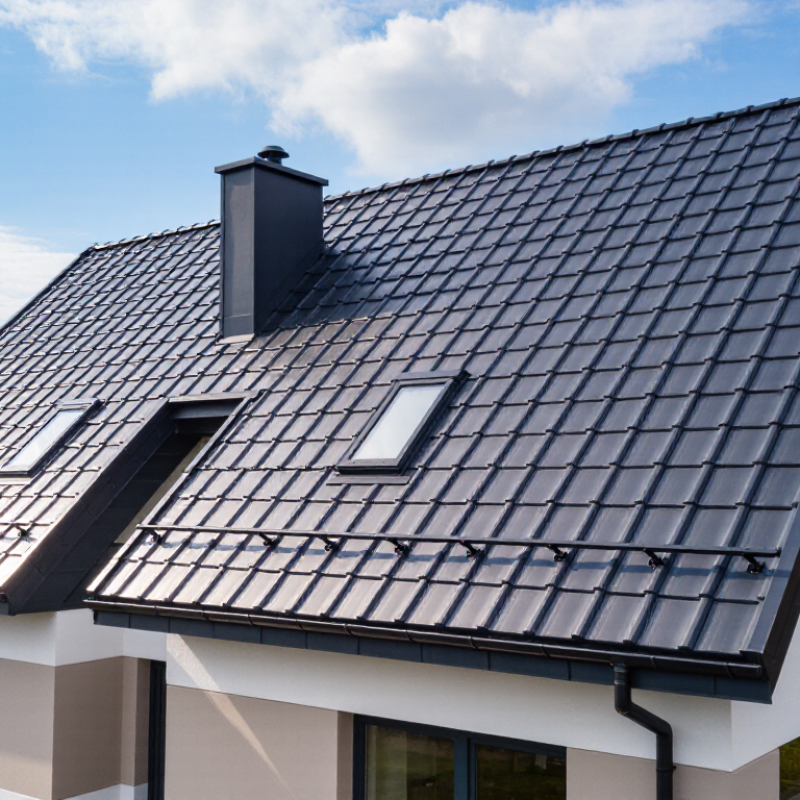
Choosing the best metal shingles starts with defining what your roof must do. A coastal home may need strong corrosion resistance. A mountain property may prioritize snow shedding and impact performance. Hot climates benefit from reflective finishes and proper attic ventilation. Consider roof pitch, local weather, building codes, and the expected lifespan of the building.
Budget is only one part of the decision. Include underlayment, flashing, fasteners, ventilation, labor, and future repairs. Metal shingles can last for decades, but poor installation can shorten that life quickly. Ask an experienced roofing contractor how panels handle valleys, chimneys, skylights, and roof edges. These details often reveal more than a showroom sample. Do not ignore sound. Rain on metal may be noticeable without suitable insulation and roof decking.
Appearance matters, but it should support your priorities. Request physical samples in daylight, then view them beside siding and gutters. Dark finishes can absorb more heat and show scratches. Light finishes may reveal dirt sooner. I once underestimated how strongly afternoon light changed a roof color. That mistake was avoidable. Think carefully.
A reliable choice also includes clear installation instructions, tested performance data, and a practical maintenance plan. Check fastener compatibility, coating specifications, and warranty limitations before signing a contract. Some homeowners focus on the shingle surface and forget the roof system beneath it. That is a costly oversight. Your needs should guide the material, profile, finish, and installer, not the other way around.
Expected service life is one practical factor when defining your roofing priorities. Typical metal roofing ranges vary by material, coating, installation quality, climate, and maintenance. Use this comparison to balance durability with other needs such as budget, appearance, weight, and corrosion resistance.
Metal type affects weight, lifespan, and maintenance. Steel shingles are strong and widely available, while aluminum resists corrosion near saltwater. Copper and zinc develop distinctive patinas, but their higher cost may exceed a practical budget. Check the panel’s thickness, not only its appearance. A thin sample can look impressive and still dent under falling branches.
Profile controls both drainage and visual character. Shingles with deeper ribs often shed rain and snow more effectively. Low-profile designs create a quieter, flatter roofline. Ask how the profile handles wind uplift in your region. A local roofing professional can review fastening patterns and roof pitch. Small installation details matter.
Coatings deserve close attention. Look for finishes tested for color retention, adhesion, and corrosion resistance. Dark colors may absorb more heat in sunny climates. Light colors can show dirt sooner. Request a physical sample beside your siding and gutters. Available styles include slate-like, shake-like, tile-like, and clean contemporary patterns. Choose one that suits the building, not merely current trends.
Also inspect the warranty language carefully. Coverage may exclude coastal exposure, poor ventilation, or improper installation. Reliable advice includes those limitations.
When I assess metal shingles, I start with the local weather record, not appearance. Heavy rain, hail, salt air, and strong sunlight test different coatings in different ways. Ask for corrosion ratings and documented wind resistance. Do not trust vague claims. Check the fastening system, panel overlap, and exposed edges because small gaps invite water. In coastal areas, verify that the metal and coating suit salty air.
A reliable roof should have a realistic service life, often several decades when installed correctly. Request test data, warranty terms, and maintenance conditions in writing. A long warranty means little if it excludes fading, coastal corrosion, or poor ventilation. Look for repair guidance from qualified roofing professionals and local building authorities. Inspect attic ventilation and gutters during routine roof checks. Clear leaves before trapped moisture stains the surface. Avoid harsh cleaners and abrasive tools.
My practical choice balances weather resistance, lifespan, and maintenance effort. Thicker metal is not automatically better if installation is careless. Coating quality matters, but fasteners and flashing deserve equal attention. I have learned that neglected details usually create the earliest repairs. Leave room for uncertainty. Local exposure can change everything. A careful inspection after the first storm may reveal loose edges, blocked drainage, or unexpected coating wear before damage spreads.
7 Tips for Choosing the Best Metal Shingles
Metal shingles can last for decades, but installation details determine much of that performance. The U.S. Energy Information Administration’s 2020 Residential Energy Consumption Survey reports that space heating and air conditioning use roughly half of household energy. A reflective roof may reduce summer heat gain, but ventilation still matters. Do not trust a glossy sample alone.
Check the roof slope before choosing a panel profile. Confirm the existing deck is sound, dry, and properly fastened. Ask whether the system requires direct-to-deck installation, battens, or specialized clips. Compare fastening patterns, underlayment types, and required overlap dimensions. Small errors can invite wind-driven rain. The Federal Emergency Management Agency’s Homebuilders Guide to Coastal Construction stresses continuous water-shedding layers and secure roof connections in exposed regions. That advice applies beyond coastal homes.
Match the shingles with local snow, wind, hail, and salt conditions. Review tested wind-uplift and impact ratings, not vague sales language. The Insurance Institute for Business & Home Safety’s roof research shows that vulnerable edges and penetrations often become failure points during severe weather. Warranty coverage deserves equal attention. Separate material defects from installation workmanship, and check exclusions for ponding water, coastal corrosion, repainting, and improper ventilation. Ask whether coverage transfers to a future owner. Keep invoices, photographs, and inspection records. I would also request written confirmation of installer qualifications. Verbal promises fade. Sometimes, the cheapest bid leaves the most expensive questions.
| Tip | Key Decision Dimension | What to Check | Practical Guidance | Warning Signs |
|---|---|---|---|---|
| 1. Match the Metal to the Environment | Base metal and corrosion resistance | Identify whether the shingles use steel, aluminum, copper, or zinc, and review protective coatings, exposed cut edges, and fastener compatibility. | Coated steel is commonly selected for general residential use. Aluminum is often considered in coastal or high-moisture areas because it does not rust like steel. Copper and zinc have different appearance, cost, and maintenance characteristics. | Unspecified metal thickness, unclear coating information, or fasteners made from a metal that may cause galvanic corrosion. |
| 2. Verify the Roof Pitch and Building Compatibility | Roof slope, structure, and local requirements | Measure the roof pitch, inspect the roof deck and framing, and confirm compliance with local building codes and the product’s minimum slope requirements. | Metal shingles are not automatically suitable for every low-slope roof. The roof must have adequate structural support, a sound deck, suitable drainage, and properly designed flashing. | A proposal that ignores roof pitch, snow or wind loads, ventilation, deck condition, or permit requirements. |
| 3. Compare Installation Methods | Direct-to-deck versus batten installation | Determine whether the system is installed directly over the roof deck or over battens, and check the required underlayment, clips, fasteners, and spacing. | Direct-to-deck systems can provide a lower-profile appearance. Batten systems may create a ventilation space, but they can alter roof height and require careful detailing around eaves, valleys, walls, and penetrations. | Missing installation drawings, non-approved fasteners, exposed fastener heads without sealing details, or no plan for flashing transitions. |
| 4. Evaluate Weather and Impact Performance | Wind, hail, snow, rain, and fire resistance | Review tested wind resistance, impact classification where applicable, fire classification, snow retention needs, and the system’s drainage design. | Performance depends on the complete roof assembly, including panels or shingles, underlayment, clips, fasteners, flashing, and installation quality. Requirements vary by climate and location. | Claims based only on the metal type without test documentation for the complete assembly or without site-specific wind and snow-load information. |
| 5. Check Appearance and Thermal Details | Profile, color, reflectance, noise, and expansion | Request physical samples and review color-retention information, thermal movement details, roof ventilation, and insulation requirements. | Metal roofing can be installed with underlayment, solid decking, insulation, and ceiling assemblies that reduce rain noise. Lighter colors generally absorb less solar heat than darker colors, although overall energy performance depends on the entire building envelope. | Color samples viewed only on a screen, no provision for thermal movement, or promises of reduced cooling costs without project-specific calculations. |
| 6. Assess Maintenance and Repair Requirements | Serviceability and long-term upkeep | Ask how to inspect the roof, clean debris, repair scratches, replace individual shingles, and maintain sealants and flashing. | Metal shingles generally require less routine maintenance than many traditional roofing materials, but valleys, penetrations, fasteners, coatings, and areas exposed to debris should still be inspected periodically. | A system that requires walking directly on fragile areas, lacks replacement procedures, or relies on incompatible touch-up coatings and sealants. |
| 7. Read the Warranty Coverage Carefully | Product, finish, and installation protection | Separate the material warranty from the paint or finish warranty and any workmanship warranty. Check duration, coverage limits, transfer rules, maintenance duties, and exclusions. | A material warranty may address manufacturing defects, while a finish warranty may address problems such as excessive chalking, fading, or peeling. Workmanship coverage usually comes from the installer and may be separate from the manufacturer’s terms. | Verbal warranty promises, unclear prorating, no written exclusions, coverage dependent on an unverified installer, or no stated procedure for filing a claim. |
Choosing the best metal shingles starts with a realistic total-cost estimate, not the lowest square-foot price. Include panels, underlayment, flashing, fasteners, trim, delivery, labor, permits, taxes, and old-roof removal. Waste matters too, especially around valleys, dormers, and skylights. A simple roof may need less material than a complex one.
Ask suppliers for a written, itemized quotation. It should show metal thickness, coating type, panel dimensions, expected service life, and installation requirements. Request physical samples. Color and texture can look different under cloudy daylight. Check whether replacement pieces will remain available later. That detail is easy to overlook.
Supplier reliability deserves equal attention. Review trade credentials, insurance, manufacturing standards, warranty conditions, and recent customer references. Speak with installers who have handled similar roofs. Ask how they manage damaged deliveries and delayed materials. Get the answer in writing.
A low quote can look brilliant. It may not be.
I once reviewed an estimate that excluded roof-edge flashing. The price changed after installation began. That experience still influences my advice: compare complete systems, not isolated shingle prices. Reliable suppliers explain limitations clearly and welcome practical questions. They should also provide installation guidance suited to your local climate, roof pitch, and building code. If a representative rushes you toward payment, pause and reconsider. The cheapest option can become the most expensive after repairs, delays, and missing components.
WhatsApp us