Best Tips for Choosing Outside Glass Doors for Your Home?
Choosing the right Outside Glass Doors for your home can significantly enhance both aesthetics and functionality. Renowned architect Sarah Thompson emphasizes, "The right glass doors can transform a space, connecting indoor and outdoor living." This perspective highlights the importance of thoughtful selection in creating seamless transitions between environments.
One major factor to consider is climate. Different regions require different styles and durability. For instance, in areas with harsh winters, insulated glass doors are crucial. Additionally, exploring frame materials can influence energy efficiency and maintenance needs. Many homeowners overlook these aspects, focusing only on design. However, understanding the practical implications of your choices is vital.
While aesthetics matter, functionality is equally important. A stunning door that fails to insulate well can lead to higher energy bills. Many people regret not putting enough thought into the long-term performance of their Outside Glass Doors. It’s essential to find a balance between style and practicality, ensuring your doors not only look great but also serve your needs effectively.
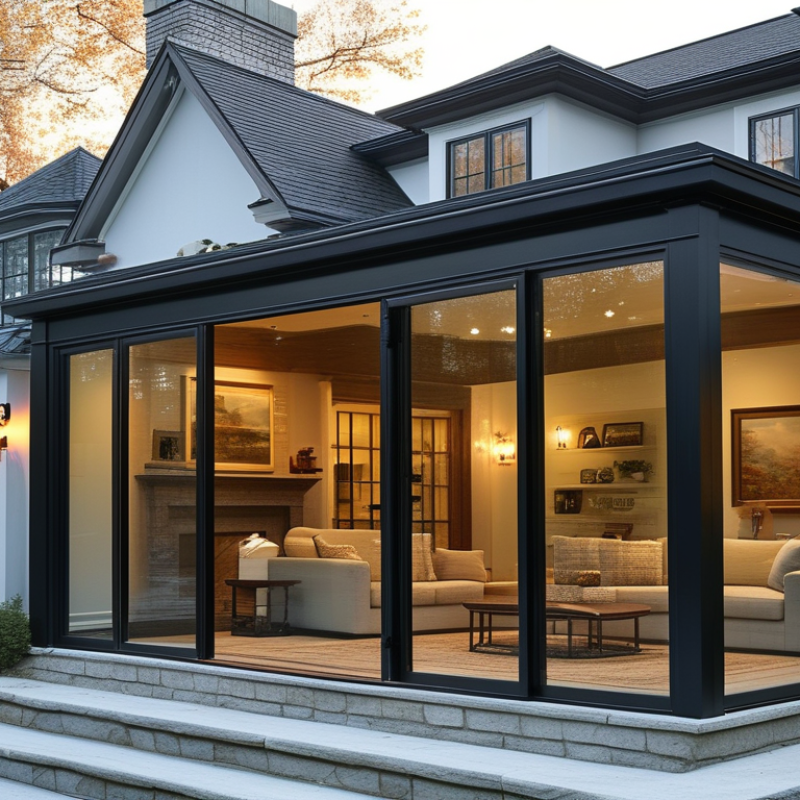
Tips for Understanding the Different Types of Outside Glass Doors
When choosing outside glass doors, understanding the different types can significantly impact your decision. Sliding doors are popular for their space-saving design. They allow for minimal intrusion into your living area. These doors open and close smoothly, yet their tracks can collect debris and require regular cleaning.
Hinged doors, on the other hand, swing outwards or inwards. This type often provides a classic look and can accommodate larger frames and glass panels. However, they need adequate clearance space to open properly.
French doors offer elegance and charm. They often come with multiple glass panels, which enhance visibility and light. But installations can be complex, and they may not suit all home layouts.
Bifold doors, meanwhile, are ideal for wide openings. They fold to one side, creating a seamless transition between indoors and outdoors. The hardware for bifold doors can be more intricate, and failure can happen with prolonged use. Always inspect the materials as well. Tempered glass is stronger but also heavier. Understanding these specifics will help you make an informed choice for your home.
Key Factors to Consider When Choosing Glass Door Materials and Finishes
Choosing the right materials and finishes for outside glass doors involves careful consideration. Durability is essential. According to the Glass Association of North America, tempered glass is five to six times stronger than untreated glass. This strength offers enhanced safety and resilience against impacts. Investing in tempered glass can significantly reduce the risk of shattering.
Another important factor is energy efficiency. Energy Star reports that well-insulated glass doors can reduce energy bills by up to 12%. When selecting, look for options with low-emissivity (Low-E) coatings. These coatings minimize heat transfer, providing comfort in any season. Pay attention to the door frame material as well. Fiberglass and vinyl offer better insulation compared to traditional wood frames.
Finish choices also affect maintenance and appearance. Powder-coated finishes are often recommended. They resist chipping and fading, proving to be more durable than traditional paint. However, some homeowners may prefer painted options for aesthetic reasons. Reflect on your long-term needs versus immediate visual appeal. Each choice carries potential trade-offs that merit reflection.
Evaluating Energy Efficiency Ratings for Glass Doors and Your Home
When selecting outside glass doors, energy efficiency is key. According to the U.S. Department of Energy, glass doors can account for significant heat loss. Choosing doors with appropriate energy ratings can save homeowners up to 30% on energy bills. Look for doors with a low U-factor. This indicates better insulation qualities. The lower the U-factor, the more efficient the door.
Consider door materials as well. Fiberglass or low-emissivity (low-E) glass can enhance energy performance. Low-E glass reflects heat, maintaining your home's temperature. In colder climates, look for doors labeled with Energy Star certifications. These products meet strict energy efficiency guidelines.
It’s essential to balance aesthetics and performance. Stylish glass doors can seem appealing but may not always insulate well. Each home’s needs differ, so it’s worth reflecting on your local climate and energy costs. A beautiful door is great, but if it doesn’t insulate effectively, you may face higher bills. Take time to analyze your choices carefully.
How to Measure and Install Outside Glass Doors Correctly
Measuring for outside glass doors requires precision. Start by measuring the opening where the door will be installed. Use a level to ensure accuracy. Measure the width at three points: top, middle, and bottom. Then, measure the height at both sides and in the center. This helps identify any irregularities in the frame. Remember, a small miscalculation can lead to issues during installation.
When installing outside glass doors, ensure you have the right tools. A drill, screws, and shims are essential. Begin by placing the door into the frame to check the fit. Adjust the hinges accordingly. It's important to have someone assist you during this process. While it may seem straightforward, factors like improper alignment can lead to gaps and drafts. Double-check your work as you go. Keep in mind that even experienced installers face challenges. It's crucial to adapt and remain patient throughout the installation process.
Comparison of Popular Types of Outside Glass Doors
Trends in Design: Aesthetic Considerations for Outdoor Glass Doors
When selecting outdoor glass doors, aesthetic considerations are key. A door's style can shape the entire look of your home. Think about the architectural style. Modern homes might benefit from sleek, minimalist designs. On the other hand, rustic styles often call for more textured finishes or classic frames. Color choices also play a role. Different shades can either harmonize with or stand out against your exterior.
Consider the surrounding environment. A lush garden might pair well with doors that blur the line between indoor and outdoor spaces. Large glass panels can enhance natural light, creating a warm atmosphere. However, too much glass can lead to a sterile look. Reflect on how balance is crucial in design. You want your outdoor doors to be inviting but not overpowering.
Also, think about the materials. Aluminum or wood frames can provide differing feelings. Wood may offer warmth but requires more maintenance. Aluminum is durable but sometimes less visually appealing. Seek out materials that mesh well with your taste while ensuring practicality. Remember, the perfect outdoor glass door should reflect your lifestyle and the nuanced character of your home.
Best Tips for Choosing Outside Glass Doors for Your Home
| Aspect | Considerations | Benefits |
| Material | Choose between aluminum, wood, and fiberglass for durability and maintenance. | Long-lasting, low maintenance options enhance home value. |
| Glass Type | Select double-glazed or tempered glass for energy efficiency and safety. | Improved insulation helps reduce energy costs. |
| Style | Consider sliding, bi-fold, or French doors based on aesthetics and space. | Enhances visual appeal and maximizes outdoor views. |
| Energy Efficiency | Look for Energy Star-rated doors to reduce heating and cooling costs. | Saves money on utility bills over time. |
| Security Features | Check for multi-point locking systems and impact-resistant glass. | Increased home security and peace of mind. |
| Customization | Explore options for color, size, and hardware to match home design. | Personalizes the space to reflect homeowner style. |
