What is a Shutter Door and How Does It Work?
A shutter door is a versatile and essential component for many commercial and residential spaces. These doors are designed to provide security and ease of access. Understanding how a shutter door works can be beneficial for both homeowners and business owners alike.
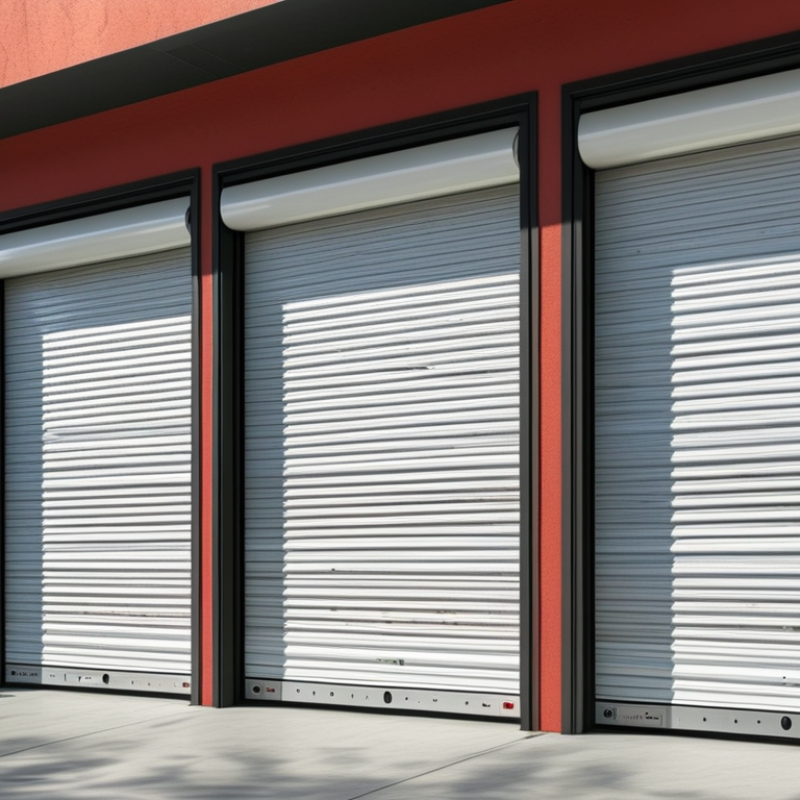
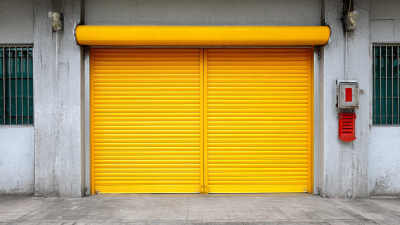
Shutter doors operate through a simple yet effective mechanism. Typically, they consist of horizontal slats that roll up and down. This design allows for maximum space efficiency while providing excellent durability. When properly maintained, shutter doors can withstand harsh weather conditions and daily wear and tear.
However, many people overlook the need for routine maintenance. Some might assume that these doors are invincible, leading to unexpected malfunctions. Regular checks can prevent issues that may cause inconvenience or costly repairs. A well-functioning shutter door enhances safety and convenience, making it a wise investment for any property owner.
What is a Shutter Door?
A shutter door is a type of door designed for both
security and convenience. It often consists of horizontal slats or panels that can slide open or closed smoothly.
These doors are common in commercial settings, such as warehouses and retail stores. They are valued for their
durability and ease of use.
According to industry data, the global market for shutter doors is projected to grow at a
CAGR of 5.3% from 2021 to 2028. This indicates a steady
demand for these structures.
Shutter doors are composed of various materials, including aluminum and steel. Their design can vary significantly.
Some units are manual while others are automatic, catering to different needs. Automatic shutter doors enhance efficiency but can be prone to mechanical failures, which highlights the importance of regular maintenance.
In fact, studies indicate that about 15% of shutter door
failures are due to lack of upkeep.
Installation can be straightforward, yet there are often complications. Proper alignment is crucial for optimal performance. Misalignment may lead to
operational issues over time. Industry experts suggest consulting with professionals during installation for the best results.
Despite their advantages, long-term durability depends significantly on the quality of materials used and maintenance routines in place.
Types of Shutter Doors Available on the Market
Shutter doors come in various types, each serving distinct purposes. Rolling shutter doors are popular in commercial settings. They consist of horizontal slats that roll up or down. These doors provide security and easy access. According to a market research report, the global rolling shutter market is expected to grow by 4.8% annually through 2025.
Accordion shutter doors are space-saving solutions. They fold back against the wall, making them ideal for areas with limited space. Their lightweight design makes them easy to operate. Data suggests that accordion-style doors appeal to both residential and retail sectors. However, some users may find them less secure compared to rolling options.
Lastly, bi-fold shutter doors offer versatile solutions. They can open and close along a track, providing a larger opening. This style blends aesthetics with functionality, making it ideal for cafes or shops. But their installation can be more complex. Understanding the specific needs can lead to the best choice. Each option has strengths and weaknesses to consider.
Components of a Shutter Door and Their Functions
Shutter doors are versatile solutions, incorporating several key components that enhance their functionality. The main parts include the door panels, tracks, and locking mechanisms. Each plays a vital role in ensuring smooth operation. The door panels are often made from durable materials, providing strength and insulation. This durability is essential for varying weather conditions, but some users may notice wear over time.
Tracks guide the movement of the shutter door. Proper alignment is crucial for efficiency. Misalignment can lead to operational issues, causing delays or jams. Regular maintenance of tracks is necessary, yet often overlooked. This neglect can lead to significant problems.
Locking mechanisms are essential for security. They ensure that the door remains closed when required. However, users sometimes struggle with complex locks, which can lead to frustration. It's essential to appreciate the balance between security and ease of use. Understanding these components helps users maintain their shutter doors effectively, though challenges may arise. Balancing functionality and practicality requires ongoing attention and adjustment.
How Shutter Doors Operate: Mechanisms and Processes
Shutter doors are increasingly popular for both commercial and residential spaces. Their operation relies on a few key mechanisms that ensure functionality and security. These doors typically employ a rolling mechanism. They can be manually operated or motorized, providing versatility for various applications.
Inside the shutter door, you'll find a series of interlocking slats. These slats move along guide tracks when the door opens or closes. The rollers at the top help in smooth movement, minimizing friction. Some modern designs feature electronic controls, allowing for easier operation. However, these advanced systems can be prone to occasional electronic failures, leading to operational hiccups.
Maintenance is vital for the longevity of shutter doors. Dust and debris can accumulate in the tracks, causing the door to jam. Regular cleaning can prevent this nuisance. Users should be aware that, while they are sturdy, shutter doors can be susceptible to weather-related damage. Examining hinges and seals regularly is a good practice. Identifying issues early can save costs down the line.
Shutter Door Mechanism Efficiency
Benefits and Applications of Using Shutter Doors
Shutter doors are gaining popularity in various sectors. They offer numerous benefits, making them a preferred choice for many applications. One of the key advantages is their security. These doors provide a strong barrier against unauthorized access. They can effectively protect commercial spaces, warehouses, and garages.
In addition to security, shutter doors are also energy-efficient. They help in regulating temperature, reducing heating and cooling costs. By limiting airflow, they maintain a stable environment inside. This feature can be crucial for businesses that require climate control, such as food storage or electronics.
However, the installation goes beyond mere placement. Spaces may need adjustments for proper fit. Additionally, routine maintenance is essential to ensure functionality. Neglecting upkeep could lead to operational issues. Being aware of these factors is important for optimal use of shutter doors. They are not a one-size-fits-all solution, and customization might be necessary.
What is a Shutter Door and How Does It Work? - Benefits and Applications of Using Shutter Doors
| Dimension |
Description |
| Material |
Typically made from steel, aluminum, or PVC. |
| Operation Mechanism |
Can be operated manually or automatically using motors and sensors. |
| Security |
Provides high security for warehouses and retail spaces. |
| Insulation |
Some types are designed to offer thermal and noise insulation. |
| Durability |
Resistant to wear and tear, suitable for heavy use. |
| Applications |
Used in garages, factories, and retail stores. |
| Maintenance |
Requires regular lubrication and inspection for optimal performance. |