What is Pocket Filter Media and How Does It Work?
pocket filter media serves as a crucial component in air filtration systems. It is designed to capture dust, pollen, and other airborne particles efficiently. This media operates by creating a barrier that traps contaminants while allowing clean air to pass through.
As industries and homes strive for cleaner air, the demand for pocket filter media rises. However, it’s not without challenges. Over time, filters can become clogged, reducing their effectiveness. Regular maintenance is necessary to ensure optimal performance. Many overlook this aspect, leading to indoor air quality issues.
In a world increasingly focused on health, understanding pocket filter media is essential. It plays a vital role in enhancing air quality. Yet, there remains a gap in knowledge about how it truly works. Reflecting on its importance can lead to better choices in filter selection and usage practices.
Understanding Pocket Filter Media: Definition and Purpose
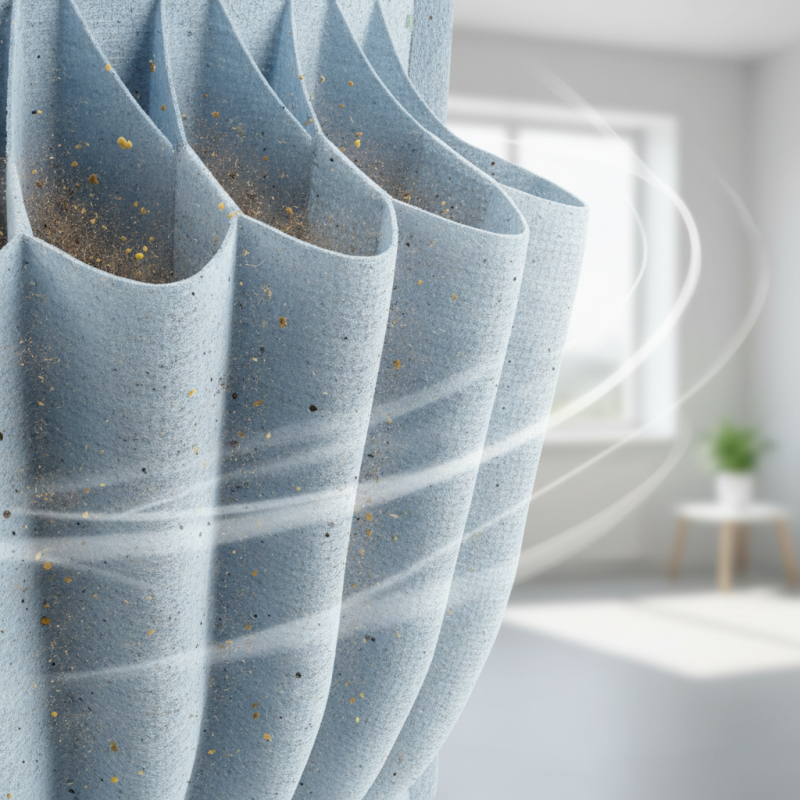
Pocket filter media plays a crucial role in air filtration systems. It consists of multiple pleated filters arranged in a pocket shape. This design maximizes the surface area available for capturing contaminants. The primary purpose is to improve indoor air quality. Cleaner air promotes healthier environments.
These filters trap dust, pollen, and other allergens. They work by allowing air to pass through while capturing particles. As air flows, the filter density increases, optimizing filtration efficiency. Over time, filters need replacement to ensure effectiveness. Neglecting this can lead to reduced air quality and increased energy costs.
Tips: Regularly check your filters. Replace them every few months, especially during peak seasons. Choose filters that match your specific needs. Experimenting with different types might help you find the most effective one for your space.
Types of Pocket Filter Media and Their Applications
Pocket filter media come in various types, each suited for specific applications. Polyester, for example, is widely used in air filtration. Its lightweight nature allows for easy installation. However, it may not withstand high temperatures, which limits its use in certain environments.
Another type is polypropylene, known for its high resistance to moisture and chemicals. This makes it ideal for industrial applications. Its durability is a plus, but it can be costlier. Some may find it tricky to maintain, which could lead to decreased efficiency over time.
Fiberglass filters offer excellent particulate capture. They work well in HVAC systems but need regular replacement to function effectively. Users often overlook this maintenance aspect, leading to performance issues. Understanding the distinct properties of each media type can guide users in making informed choices.
How Pocket Filter Media Functions in Air Filtration Systems
Pocket filter media plays a crucial role in air filtration systems. One of its main functions is to capture airborne particles. These particles can be dust, pollen, and even smoke. The design of pocket filters allows for a larger surface area, which increases efficiency and effectiveness in trapping contaminants.
In operation, air passes through the pockets filled with filter media. As it moves, larger particles get trapped in the fibers. Smaller particles may pass through the first layer. However, as air continues to flow, these smaller particles are captured by subsequent layers. This process creates cleaner air.
Tips: Regularly check and replace filters to maintain air quality. Dirty filters reduce airflow and efficiency. Also, ensure a proper seal around the filter. Any gaps can allow unfiltered air to enter.
Achieving optimal performance from pocket filter media requires regular maintenance. Sometimes, we forget to check filters for long periods. This negligence can lead to poor air quality. A simple reminder system can help you stay on track with your filter maintenance routine.
Key Advantages of Using Pocket Filter Media for Filtration
Pocket filter media has gained popularity for various filtration applications. It is effective in capturing dust, pollen, and other airborne particles. This type of media is often used in HVAC systems, industrial processes, and air purifiers. One key advantage of pocket filter media is its high dust-holding capacity. This means it can hold more contaminants before needing to be replaced. This extends the service life and reduces maintenance costs.
Another benefit is improved airflow. Pocket filters are designed with a larger surface area. This design allows for efficient air circulation. As a result, systems can run more smoothly. This can create a more comfortable environment in workplaces and homes. Tips for selecting the right pocket filter media include considering your specific application needs. It's also wise to check the filter’s efficiency rating.
However, not all pocket filter media performs equally well. Some products may clog faster than others. It's crucial to review the specifications closely. Keeping an eye on replacements can be challenging, but it's essential for optimal performance. Regular monitoring ensures that filters maintain their effectiveness.
Maintenance and Replacement Considerations for Pocket Filter Media
Maintaining pocket filter media is crucial for optimal air quality. Over time, these filters capture dust and airborne particles, leading to clogging. It’s essential to check the filters regularly to ensure they function effectively. When filters become too dirty, they can restrict airflow and force the system to work harder. This can increase energy costs and wear on your HVAC system.
Inspecting pocket filter media should be part of your routine maintenance. A visual check can reveal dirt accumulation. Changing the filters every 3 to 6 months is a general guideline, though it can vary based on usage and air quality. In environments with high dust levels, more frequent replacements may be necessary. Remember, neglecting this can lead to expensive repairs.
**Tips:** Always have spare filters on hand. This way, you can quickly replace them when needed. Consider labeling your filter replacement schedule on a calendar for easy tracking. If you notice an increase in dust buildup, it might be time to reassess your filter choices.
What is Pocket Filter Media and How Does It Work? - Maintenance and Replacement Considerations for Pocket Filter Media
| Dimension | Specification | Description | Maintenance Frequency | Replacement Indicators |
| Efficiency | MERV 8-14 | Filters fine dust and particles, providing better air quality. | Every 3-6 months | Increased pressure drop and reduced airflow. |
| Size | 24"x24"x11" | Standard size for commercial HVAC systems. | Annually | Physical damage or significant dust buildup. |
| Material | Synthetic or Fiberglass | Durable materials for longer lifespan. | Semi-Annually | Loss of structural integrity or visible tears. |
| Resistance | Low pressure drop | Minimizes energy consumption of HVAC systems. | Quarterly | Notable increase in energy usage. |