Choosing the best Cat Tree in 2026 is not about buying the tallest model. It is about understanding your cat’s body, habits, and sense of security. A nervous cat may prefer a covered platform near a quiet window. A confident climber may choose a tall structure with several levels. Cat behaviorist Dr. Mikel Delgado reminds owners, “Cats are not small dogs.” That simple sentence matters when selecting furniture for climbing, scratching, resting, and observing.
A reliable Cat Tree should have a wide, heavy base and stable joints. It should not wobble when an adult cat jumps onto the highest perch. Check the platform size, especially for large breeds or senior cats with stiff joints. Sisal-wrapped posts support natural scratching, while washable cushions make everyday cleaning less frustrating. Look closely at the materials. Strong fabric is useful, but loose strings can become hazards. Some attractive designs fail here. They look impressive in photos, yet feel unstable in a real living room.
Measure your available space before ordering. Leave enough room for safe movement around the structure. Multi-cat homes may need multiple resting levels, not merely one taller tower. Place the Cat Tree near a window, family area, or familiar sleeping place, depending on your cat’s personality. Do not assume the most expensive option will win. Your cat may ignore it. That possibility deserves honesty. Observe where your cat already climbs, sleeps, and scratches, then choose a design that supports those patterns. In 2026, the best choice remains practical, secure, easy to maintain, and genuinely appealing to the individual cat.
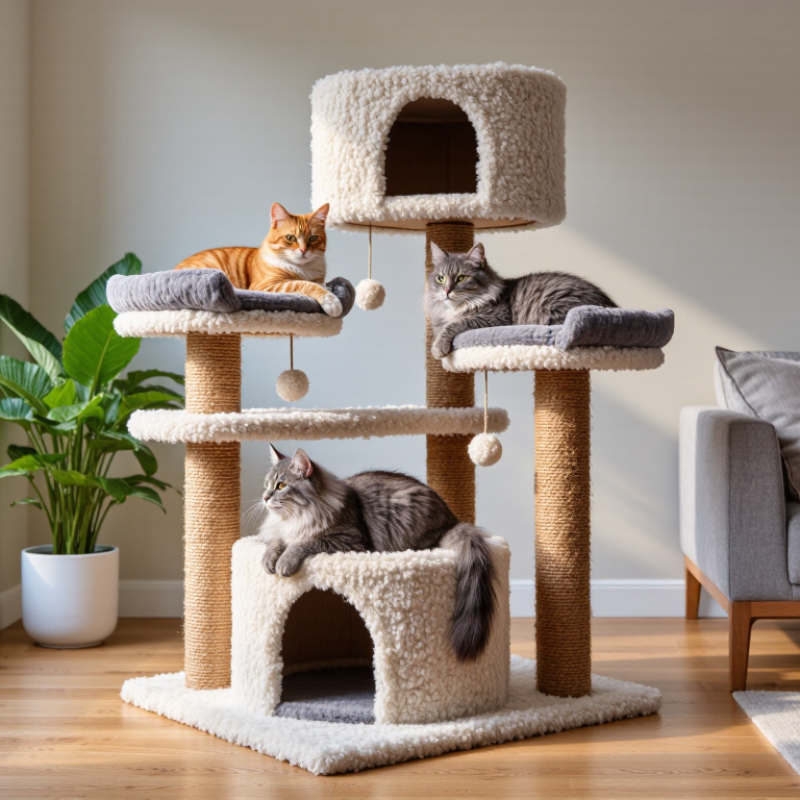
How to Choose the Best Cat Tree in 2026?
Understanding Your Cat’s Needs and Daily Habits
A cat tree should match behavior, not room decoration. The APPA 2024–2025 National Pet Owners Survey reports that millions of U.S. households live with cats. Yet every cat uses space differently. A confident climber may prefer a tall platform near a window. A nervous cat may choose a lower shelf with a covered retreat. Watch where your cat naps, scratches, watches, and escapes. These details matter more than height alone.
The AAFP and ISFM environmental-needs guidelines identify resting, hiding, climbing, scratching, and play as important feline activities. Choose stable platforms with wide surfaces and a firm base. Senior cats may need shorter steps and softer resting areas. A young, active cat may enjoy several levels, but excessive height can create avoidable falls. I once selected a beautiful, tall tree for a foster cat. She ignored it and slept beside a quiet bookcase. My mistake was designing for appearance, not her daily habits. Cats can be inconveniently honest.
Tips: Measure the available floor area first. Place the tree near a safe observation point, not beside loud appliances. Add a washable cushion for long naps. Check the scratching surface regularly. If your cat avoids the tree, move it before replacing it. Observe for one week. Small changes may reveal more than expensive features.
Choosing the right cat tree starts with your cat’s body, habits, and room. The American Pet Products Association’s 2024–2025 National Pet Owners Survey reports 49.6 million U.S. households own cats. That large population still has very different needs. A kitten may prefer low steps, while an older cat needs wide platforms and gentle access. Measure your cat from nose to tail base. Each main perch should exceed that length, allowing the cat to turn without slipping.
Height matters, but stability matters more. The 2024 AAFP/ISFM feline environmental guidelines recommend elevated resting places and safe opportunities for climbing. Choose a weighted base, thick supports, and platforms that do not wobble during jumping.
For a multi-cat home, provide separate levels and more than one resting area. A single narrow perch can create tension. It happens.
Layout deserves close attention. Place the tree near a window, but avoid forcing your cat into heavy traffic or sudden noise. Include a covered hideaway below, an open platform above, and a scratching surface between them. These zones support retreat, observation, and natural stretching. In practical home testing, cats often ignore impressive towers when the top platform feels cramped. I have learned that taller is not always better. Leave clear floor space around the structure, and check every connection monthly. The perfect layout may need revision as your cat ages, gains weight, or changes its preferences.
How to Choose the Best Cat Tree in 2026?
Material quality should begin with the surfaces your cat touches daily. Solid plywood or thick, kiln-dried wood usually resists flexing better than thin particleboard. Sisal rope should feel tight, not loose or sharply frayed. The APPA 2023–2024 National Pet Owners Survey estimated 46.5 million U.S. households owned cats. That scale makes durability more than a shopping preference. It affects repeated climbing, scratching, and jumping over several years. Check every fabric seam with your fingers. Loose threads can catch claws. Soft padding is comfortable, but excessive padding may hide weak support.
Stability matters more than height. A tall structure needs a broad base, low center of gravity, and secure connections. Shake it gently before purchase. Any rocking deserves attention. The 2024 AAFP Intercat Tension Guidelines emphasize separate resources and usable vertical space in multi-cat homes. A tree with several platforms can reduce crowding, but only if platforms are reachable without dangerous leaps. Measure the room, ceiling, and escape routes. One overlooked detail is floor friction. Smooth flooring can turn a stable tree into a sliding hazard.
Safety claims still need personal testing. Look for rounded edges, enclosed fasteners, and platforms large enough for your cat’s full body. Inspect the tree monthly, especially after heavy scratching. I still make one mistake: I sometimes judge quality by appearance first. That is unreliable. A beautiful tower can conceal compressed board, weak joints, or poor balance. The best choice may look plain. It should remain quiet, firm, and repairable after months of use.
This chart presents a practical 100-point evaluation framework for comparing cat trees. Safety and stability receive the greatest weight because secure platforms, reliable fasteners, a wide base, and resistance to tipping directly affect daily use. Durability and material quality complete the assessment by covering wear resistance, scratch-post construction, fabric performance, and ease of maintenance. The percentages are evaluation weights, not company or brand data.
How to Choose the Best Cat Tree in 2026?
A useful cat tree should support climbing, scratching, resting, and play. These needs reflect normal feline behavior, not decoration. The 2024–2025 APPA National Pet Owners Survey reports 49.6 million U.S. households own cats. That scale makes practical design important. A stable base matters first. Choose a platform that does not wobble when your cat jumps from the floor. Taller trees suit active cats, but senior cats may need shorter steps and wider shelves.
Scratching posts should stand vertically and allow full body stretching. Sisal, cardboard, and textured fabric offer different sensations. The AAFP and ISFM feline environmental guidelines recommend accessible resources that support scratching, hiding, resting, and play. Resting areas need soft surfaces, but removable covers are more useful than luxury materials. A quiet upper perch can provide security, while an enclosed space may help a nervous cat. I once overvalued height and ignored platform depth. That was a poor choice. My cat used the lower shelf instead.
Tips: Measure the room and doorway first. Check the tree’s weight and base width. Place scratching posts near sleeping areas. Add toys that can be removed safely. Inspect loose parts weekly. FEDIAF’s 2024 industry figures estimate 108.3 million cats live in Europe, yet individual preferences still vary widely. Watch your cat’s habits for several days before choosing. The perfect tree is rarely the largest one.
How to Choose the Best Cat Tree in 2026?
Selecting a cat tree starts with your home, not its appearance. Measure the available corner, including ceiling height and walking space. A tall model may suit a spacious room, but it can overwhelm a small apartment. Choose a wide, stable base if your cat jumps actively. Check each platform’s weight capacity and inspect the scratching surfaces. Sisal, washable fabric, and replaceable parts usually offer better long-term value.
Tips: Set your budget before browsing. Include delivery, replacement pads, and cleaning costs. Compare the tree’s height, footprint, materials, and warranty. A cheaper option may become expensive after repeated repairs. Place the tree near a window, but keep it away from unstable furniture. Cats often prefer elevated spots with a clear view and nearby quiet areas.
Safety deserves careful attention. Press the structure gently from several angles before purchase. It should not rock or twist. Look for rounded edges, secure fasteners, and platforms large enough for your cat to turn comfortably. Multi-cat homes need more than one resting level. Still, more features are not always better. Extra tunnels can collect fur and become difficult to clean. A simpler tree may work better, although I would reconsider that choice for a highly active cat. Observe your cat’s habits for a few days, then match the design to its real behavior.
| Cat Tree Type | Typical Height | Recommended Cats | Best Room Size | Typical Price Range | Key Features | Important Buying Check |
|---|---|---|---|---|---|---|
| Compact Scratching Post | 45–75 cm | 1 small or inactive cat | Studio, bedroom, or small apartment | US$25–60 | Vertical scratching surface, small perch, minimal footprint | Choose a heavy base and a scratching area tall enough for a full-body stretch |
| Small Multi-Level Tree | 80–120 cm | 1–2 average-size cats | Small to medium rooms | US$50–110 | Two or three platforms, scratching posts, toy attachments | Look for platforms at least 35 cm wide for comfortable resting |
| Medium Activity Tree | 120–170 cm | 1–3 active cats | Medium or large living room | US$90–180 | Multiple levels, hammock, enclosed area, climbing routes | Check that the base is wide enough to prevent rocking during jumping |
| Tall Climbing Tower | 170–220 cm | 1–2 energetic or vertical-oriented cats | Rooms with high ceilings and open floor space | US$130–280 | High lookout perch, long scratching posts, climbing steps | Measure ceiling height and use a wall strap if supplied |
| Large Multi-Cat Condo | 140–190 cm | 2–4 cats | Large living room or dedicated pet area | US$180–350 | Several sleeping areas, wide platforms, ramps, scratching zones | Provide more than one resting level to reduce competition between cats |
| Wall-Mounted Cat Shelves | Variable | 1–3 cats, depending on shelf capacity | Small floor area with suitable wall space | US$80–250 | Space-saving climbing path, ledges, bridges, resting pads | Confirm wall type, stud locations, weight rating, and installation requirements |
| Senior-Friendly Low Tree | 50–100 cm | Older cats or cats with limited mobility | Any room with accessible floor space | US$60–150 | Low steps, soft beds, short jumps, stable wide platforms | Avoid steep ladders and large gaps; choose washable, non-slip surfaces |
| Heavy-Duty Large Tree | 150–210 cm | Large breeds or highly active cats | Large rooms with clear jumping space | US$220–450+ | Reinforced posts, thick platforms, durable coverings, anti-tip support | Verify the listed weight capacity, base dimensions, and replacement-part availability |
WhatsApp us