Choosing the right animal specimen supplier begins with more than comparing prices or browsing attractive product photographs. Educators, researchers, and collection managers need specimens that suit their intended use and arrive in dependable condition. An Aniaml Specimen may look clear online, yet its value depends on accurate identification, suitable preservation, and careful handling. Small details matter: a legible label, an intact container, and packaging that prevents leakage or damage during transit.
A reliable supplier should explain where specimens come from, how they are prepared, and what documentation accompanies an order. Ask about species identification, preservation methods, storage guidance, and applicable permits or institutional requirements. Clear answers are useful. Vague promises are not. Check whether the supplier provides consistent product descriptions, responsive support, and written policies for damaged or incorrect items. These signs can help buyers assess professionalism without relying on photographs alone.
This guide outlines practical questions to ask before placing an order. It also considers quality control, shipping, documentation, and communication. No checklist is perfect, and supplier websites may leave important gaps. A careful buyer may need to request clarification or reconsider a convenient option. The goal is not to find a flawless supplier, but to make a well-informed choice that supports safe, ethical, and dependable educational or research work.
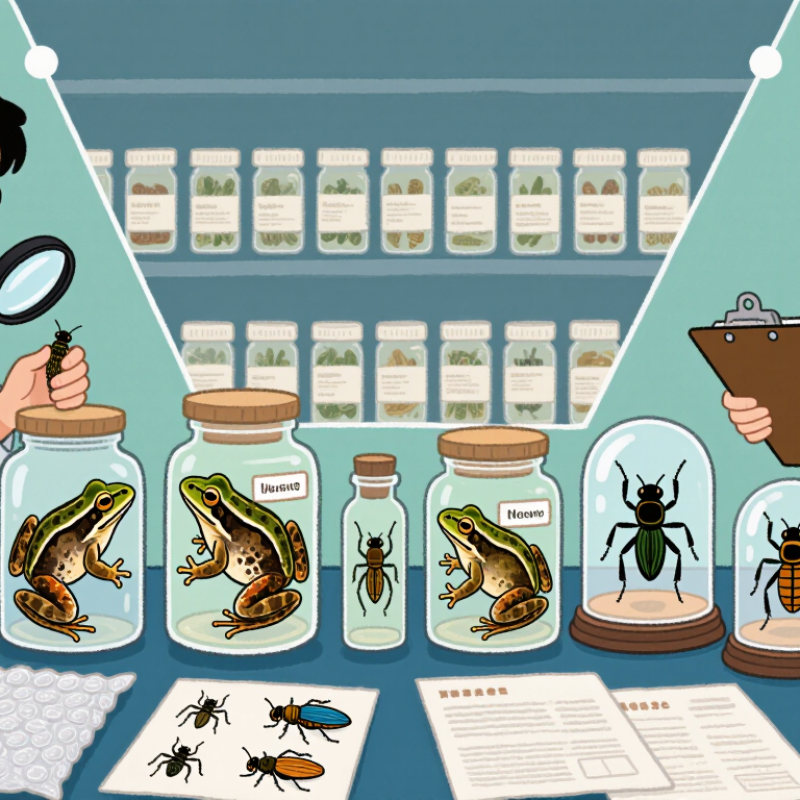
Before contacting a supplier, define the specimen’s exact role: assay development, teaching, or another research purpose. Specify species, tissue, age range, sex, quantity, preservation method, and acceptable collection window. A fixed tissue section and a fresh-frozen sample behave differently under the same protocol. State required disease-status information, storage temperature, and accompanying metadata. It is tempting to list only species and tissue. That is rarely enough.
The 2022 One Health Joint Plan of Action, from WHO, FAO, UNEP, and WOAH, reports that 60% of known human infectious diseases and 75% of emerging infectious diseases are zoonotic. These figures make clear why source history and health-status documentation matter. Ask what records accompany each specimen, how identity is tracked, and whether the packaging suits your receiving and storage workflow. Match these details to your study before comparing price or availability.
Tips: Write a one-page specification with required and optional fields. Request a sample record, not just a catalogue description. Confirm tissue dimensions, fixation or freezing details, and shipment temperature. If a field is unclear, ask before ordering; small gaps in metadata can complicate analysis later. A checklist can still miss something, so have the intended end user review it.
For timed-pregnancy or developmental-stage specimens, gestation length helps establish collection timelines. Bars show approximate midpoints of commonly reported ranges: mouse 19–21 days, rat 21–23, rabbit about 31, guinea pig 59–72, and pig 112–115. Actual timing varies by strain, breed, and individual animal; confirm the required stage and collection schedule with the supplier.
A reliable supplier should explain where each specimen came from and how it was collected. Request facility credentials, source records, and any permits required for the specific specimen and destination. Check that names, dates, and identification numbers match across documents. A polished certificate alone proves little. Ask whether the supplier can trace a sample back to its source facility and explain its ethical review process. Requirements vary by jurisdiction, so verify them with the relevant authorities.
The scale of research makes careful documentation important. The USDA APHIS 2022 annual report recorded 780,070 covered animals used in research, testing, and teaching in the United States; it excludes purpose-bred mice, rats, and birds. This figure is not a measure of specimen trade, but it shows why transparent records matter. Look for suppliers that support replacement, reduction, and refinement where applicable, and can describe their welfare checks without vague assurances. Some records may be incomplete; treat that as a reason to ask more, not to assume misconduct.
Tips: Request a sample chain-of-custody record before ordering. Confirm collection dates, species identification, and source documentation. Check credentials independently, and keep your own review notes. A short call can reveal gaps that a PDF misses.
A reliable animal specimen supplier should make quality easy to assess, not ask you to trust a photograph. Request clear images of the specimen from several angles, including close-ups of labels, joints, and any visible damage. Check for consistent preservation, secure packaging, and a condition that suits your intended educational or research use. A neat appearance is not proof of good handling. Ask how condition is assessed and whether known limitations are recorded.
Tips: Match the specimen’s label to its paperwork. Confirm the common and scientific names, where available, along with the specimen type, preparation method, and date or source details. Ask for documentation describing provenance and handling. Keep copies with your inventory. Small mismatches matter.
Identification can be difficult when specimens are juvenile, damaged, or missing distinctive features. Ask what evidence supports the identification and whether uncertainty is noted. Do not accept confident wording as a substitute for records. A supplier who corrects an error openly may be more dependable than one who avoids questions. I would still double-check the details; paperwork can be incomplete, and that deserves a second look.
How to Choose the Right Animal Specimen Supplier
Review sourcing methods, preservation, packaging, and delivery before placing an order. Ask where specimens originate and whether collection records, species identification, and applicable permits are documented. A supplier should explain its preservation method and provide handling instructions. “Preserved” alone is not enough. Request details on fixatives, storage conditions, and expected color or texture changes; small differences can affect teaching or research use.
Packaging should match the specimen and transport risks. For applicable Category B infectious substances, the UN Model Regulations’ P650 instruction specifies triple packaging and a 1.2-meter drop-test requirement. This is not a universal rule for every specimen, so confirm classification and shipping requirements with qualified staff. For temperature-sensitive material, ask how the supplier monitors transit conditions and what happens after delays. A logger reading is useful; a vague assurance is not.
Delivery records matter, too. Check the dispatch date, estimated transit time, tracking method, and procedures for damaged or leaking packages. WHO’s 2023–2024 transport guidance emphasizes appropriate packaging and documentation for infectious substances. Use it as a benchmark, not a substitute for specimen-specific advice. Inspect the container on arrival, photograph any damage, and compare the contents with the order. One detail is easy to miss: preservation quality can vary within a batch. Ask whether the supplier checks individual specimens or samples only.
Choosing an animal specimen supplier takes more than comparing the price on a single item. Request an itemized quote that includes preparation, packaging, and shipping. A low listed price may not reflect the final cost. Ask whether condition checks and handling details are documented for each shipment. Clear records make it easier to compare suppliers fairly.
Support quality becomes visible when a question needs a specific answer. Ask how staff identify specimens, describe preservation methods, and resolve damaged or mislabeled deliveries. A useful reply should be timely and precise, not simply reassuring. Keep the exchange in writing. That matters. I have found that small details, such as a missing identification label, can slow down a whole project.
Long-term reliability depends on consistent communication, careful records, and realistic availability estimates. Ask whether the supplier can provide similar specimens over time, and how they notify customers when availability changes. No supplier is perfect. A delayed response once may be understandable, but repeated uncertainty deserves attention. Compare sample documents and support responses alongside price; a slightly higher quote can be worthwhile when expectations are clear.
| Comparison area | What to request or compare | How to assess support | Evidence of long-term reliability | Warning signs |
|---|---|---|---|---|
| Price and total cost | Request an itemized quote covering specimen cost, preparation, packaging, shipping, taxes, permits, and any special handling charges. Compare equivalent species, condition, preparation, and quantities. | Ask whether the supplier will explain quote assumptions and provide written notice before adding costs. | Keep quotes and invoices so repeat-order pricing and changes can be reviewed over time. | A single headline price with unclear exclusions, or a quote that does not identify the specimen condition or preparation level. |
| Specimen identity and condition | Ask for the scientific name where available, specimen type, preservation method, condition description, and photographs or a sample specification. | Check whether staff can answer technical questions about preparation, storage, and intended use. | Order records should consistently identify the item supplied and any agreed condition or preparation requirements. | Vague descriptions, inconsistent identification, or refusal to document the agreed specifications. |
| Origin and documentation | Ask what provenance, acquisition, and regulatory documents accompany the specimen. Requirements vary by species, origin, and destination. | Confirm who is responsible for providing documents and for checking applicable shipping or import requirements. | Documentation should be complete, retained with order records, and available for future audits or repeat orders. | Unclear origin or assurances that permits and documentation are never needed. Some species and cross-border shipments are subject to specific rules. |
| Availability and lead time | Request current stock status, estimated dispatch date, expected delivery window, and the process for backorders or substitutions. | Ask how and when delays are communicated, and whether a substitute requires approval. | Track promised versus actual dispatch and delivery dates across orders. | Unconfirmed availability, changing delivery estimates without updates, or substitutions made without consent. |
| Packaging and shipping | Confirm packaging suited to the specimen and preservation method, shipping conditions, carrier, tracking, and any temperature-control needs. | Ask who handles shipping questions and what steps to take if a package arrives damaged or outside the agreed conditions. | Review delivery records and documented outcomes of any shipping claims. | No clear packaging plan, tracking information, or procedure for reporting transit damage. |
| After-sales support and remedies | Request written terms for reporting an incorrect, damaged, or non-conforming specimen, including notification deadlines and available remedies. | Test whether the supplier provides a clear contact route and responds with specific, actionable answers before purchase. | Maintain a record of response times, issue resolution, and whether agreed remedies were completed. | Unwritten return terms, unclear responsibility, or no defined process for resolving order problems. |
| Repeat-order suitability | Ask about product specifications, lot or source records where applicable, reorder procedures, and how changes in availability are handled. | Check whether the supplier can communicate specification changes before fulfillment and keep order records accessible. | Evaluate consistency of identification, condition, documentation, delivery, and issue resolution across multiple orders. | Repeated changes in specifications or documentation with no explanation or advance notice. |
| Overall comparison | Compare at least two written quotes for the same requirements. Use total landed cost rather than item price alone. | Use the same questions for each supplier so answers can be compared fairly. | Base reliability judgments on documented order history and references you can independently verify, not on promises alone. | Choosing solely on the lowest price when documentation, condition, shipping, or support terms are materially different. |
WhatsApp us