How to Choose the Best Aluminum Door Lock for Your Needs?
Choosing the right Aluminum Door Lock is critical for security and convenience. The global market for door locks is expected to reach $4.5 billion by 2026, with aluminum door locks playing a significant role due to their durability and affordability. An effective lock enhances your safety while adding value to your property.
When selecting an aluminum door lock, consider various factors such as security rating, ease of installation, and compatibility with your door. Reports indicate that 30% of burglars gain entry through inadequately secured doors. Thus, investing in a high-quality lock can deter potential intruders. You must examine the features, including resistance to corrosion and tampering.
However, not all aluminum door locks are created equal. Some might fail to meet your security needs or function correctly. It’s essential to balance cost and quality. While budget options can seem appealing, they might compromise your safety. Reflect on your priorities before making a decision.
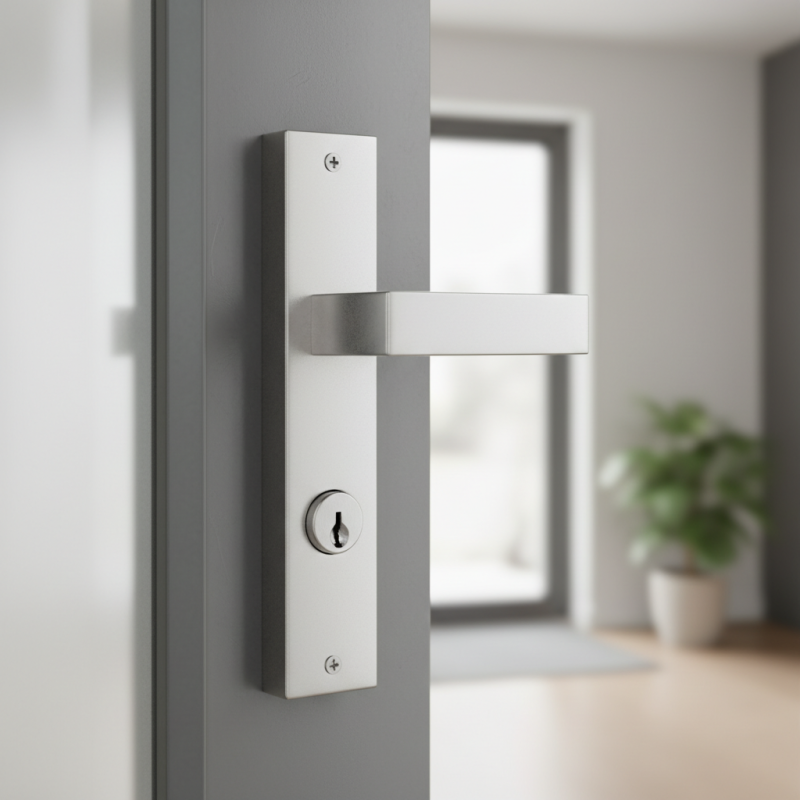
Understanding the Types of Aluminum Door Locks Available
When choosing aluminum door locks, understanding the types available is crucial. There are two main categories: mortise locks and rim locks. Mortise locks fit into a pocket within the door, providing a sturdy and secure option. Rim locks, on the other hand, mount on the surface and are easier to install. Each type serves different purposes and levels of security.
Consider the lock's security rating. Some locks come with certification levels that indicate their strength. A higher rating usually means better protection. Look for locks made from high-quality aluminum, as these are durable and resistant to wear. Although some locks are more affordable, they may not provide the long-term security you'd expect.
**Tips:** Always test the lock before installation. Does it turn smoothly? Are the bolts secure? Additionally, consult a professional if you're unsure about installation. Their expertise can ensure that you choose the best option for your needs. Remember, a lock is only as reliable as its installation. Consider your local environment too; exposure to elements may dictate the type of finish your lock should have.
Assessing Security Features for Aluminum Door Locks
When selecting an aluminum door lock, security features are paramount. Look for locks that offer robust materials. A solid aluminum body can resist tampering. Check the locking mechanism; a deadbolt is often more secure than a latch. Some locks also have reinforced strike plates. These elements enhance protection against forced entry.
Consider the security ratings of your chosen locks. Many are tested against break-in attempts. Higher-rated locks provide peace of mind. However, remember that no lock is entirely foolproof. Regular maintenance is essential; neglect can lead to vulnerabilities. Assess how easy it is to rekey or replace the lock. This is crucial for long-term security.
Finally, understand the importance of installation. Even the best lock won't perform well if poorly installed. Professional installation can make a significant difference. Ensure you also have backup options, like a keyless entry system, for added convenience and security. Always make choices based on your specific needs and environment.
Evaluating Durability and Weather Resistance in Locks
When assessing aluminum door locks, durability is paramount. According to a report by the American National Standards Institute (ANSI), locks must endure rigorous testing. ANSI grades range from 1 to 3, with Grade 1 being the most robust. Choosing a Grade 1 lock ensures it can withstand heavy use and offers superior longevity. This is essential for both residential and commercial applications.
Weather resistance is another critical factor. Locks exposed to various conditions can corrode, weaken, or fail. Manufacturers often use anodized finishes to enhance resistance against the elements. A study by the National Association of Home Builders indicates that 40% of lock failures result from poor weather resilience. Opt for locks that meet or exceed industry standards for moisture and temperature resistance. This choice not only protects your property but can reduce long-term replacement costs.
With advancements in lock technology, look for options with integrated weather seals. These features can significantly improve water and dust resistance. However, not all locks perform equally under harsh conditions. It's wise to research user reviews and performance ratings over time. This can highlight any recurring issues with specific models or materials. Balancing durability with weather resistance ensures your aluminum door lock truly meets your needs.
Choosing the Right Size and Fit for Your Aluminum Door
When selecting an aluminum door lock, considering the size and fit is crucial. An ill-fitting lock can compromise safety. Measure your door's thickness accurately. Standard aluminum doors often range from 1.75 to 2 inches thick. If not fitting correctly, the lock may be ineffective, leading to security vulnerabilities.
Additionally, consider the backset measurement. This distance from the edge of the door to the center of the knob or lever is vital. Common backset sizes are 2.375 inches and 2.5 inches. A mismatch here can lead to improper installation. Think about the style of the lock as well; it should complement your door design while ensuring functionality.
Be reflective: sometimes, people overlook the importance of these measurements. A lock that looks great but doesn’t fit properly may offer a false sense of security. It’s essential to choose wisely, as a well-fitted lock enhances both safety and aesthetics. Taking the time to ensure these details is worth it for lasting protection.
Budgeting and Comparisons: Finding the Best Value in Door Locks
When choosing an aluminum door lock, budgeting is crucial. It allows you to narrow down options that fit within your financial plan. Consider the features that matter most. Basic locks offer security, but additional features enhance safety and convenience. Sometimes, spending a bit more can yield long-term benefits. Think about maintenance costs, too.
It’s essential to compare different products thoroughly. Look for reviews from reliable sources. Note the key features and any concerns reported by users. Some locks might seem affordable but require frequent repairs. This can lead to higher overall expenses. Take time to reflect on your specific needs. Your lifestyle should influence your choice.
Ultimately, the best value is not always the lowest price. It's about finding a balance between quality and cost. A lock that offers excellent durability could save money in the long run. Don’t rush the process; a thoughtful selection can lead to peace of mind. Consider how often you use the door and who accesses it daily. Small factors can greatly affect your experience.
