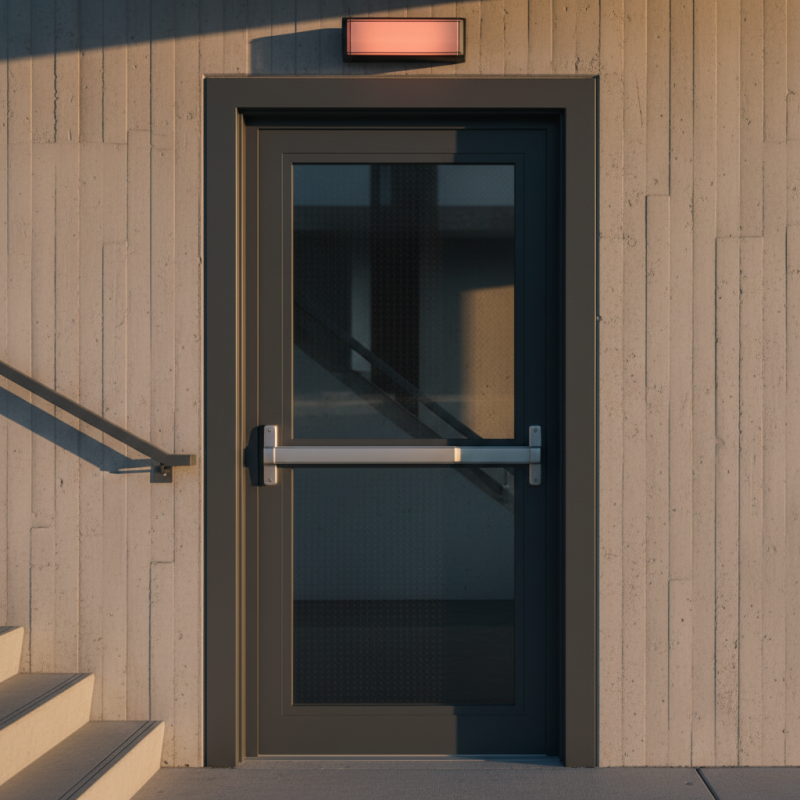
2026 How to Choose Steel Fire Escape Doors for Safety?
Steel Fire Escape Doors are vital for safety in emergencies. Choosing the right doors can be daunting. These doors must withstand high temperatures and provide reliable exits.
Consider the construction. Steel doors should resist panic and wear. Look for quality designs that offer robust frames. Examine fire ratings carefully. They indicate how long a door can endure flames. This is crucial for saving lives.
Aesthetic considerations matter as well. Steel doors can blend into various architectural styles. Think about visibility in low-light situations. Reflect on access points too. They should be easy to open in stressful conditions. Yet, they must remain secure when not in use.
Understanding the Importance of Steel Fire Escape Doors for Safety
Steel fire escape doors play a crucial role in ensuring safety during emergencies. These doors are designed to provide a reliable exit route when every second counts. A well-constructed fire escape door can withstand high temperatures and prevent smoke from seeping into escape paths. This can make all the difference in a crisis.
When selecting steel fire escape doors, consider the door's fire rating. A higher rating indicates better resistance against flames. Look for doors with proper seals and frames that enhance their effectiveness. It's important to also check for compliance with local safety codes. These regulations are in place to protect lives.
Tips for choosing the right doors include examining the material quality. Steel thickness matters. A thicker door offers better protection. Also, assess the door's hinges and locking mechanisms; they should be easy to operate, even in panic. Regular maintenance is vital. Check for rust or wear that could compromise safety. Remember, these doors are your lifeline in emergencies.
Key Features to Look for in Steel Fire Escape Doors
When choosing steel fire escape doors, safety is paramount. Key features are essential in ensuring they perform well during emergencies. The National Fire Protection Association (NFPA) states that nearly 60% of fire-related deaths occur in buildings lacking sufficient safety measures. Reliable escape doors could significantly reduce these risks.
Look for doors with a one-hour fire rating. This indicates they can withstand flames for at least 60 minutes. It provides critical time for safe evacuation. Additionally, check if the door features a panic bar. This allows for quick exit during crises. Research shows that having easy-to-use hardware can reduce evacuation times by up to 30%.
Durability is another critical factor. Steel thickness impacts strength. A minimum of 16-gauge steel is recommended for robust protection. Consider corrosion-resistant finishes, especially in harsh environments. Many buildings fail to realize the importance of proper maintenance. Regular inspections can prevent failures and ensure the doors function correctly. Addressing these aspects can help create a safer environment for everyone.
2026 How to Choose Steel Fire Escape Doors for Safety? - Key Features to Look for in Steel Fire Escape Doors
| Feature | Description | Importance |
| Material Quality | High-grade steel that resists deformation and fire damage. | Ensures durability and safety during emergencies. |
| Fire Rating | Rating of the door, such as 30, 60, or 90 minutes against fire. | Critical for compliance with safety regulations and effective escape. |
| Hinges | Heavy-duty, non-removable hinges to prevent tampering. | Enhances security and ensures the door remains functional. |
| Locking Mechanism | Reliable locks that can be operated quickly and easily under stress. | Vital for quick access during an emergency situation. |
| Size and Fit | Standard sizes versus custom fit for specific exit paths. | Ensures the door fits properly for optimal use during emergency evacuations. |
| Weather Resistance | Coatings and designs that protect against rust and corrosion. | Increases lifespan and maintains performance in various environments. |
Standards and Regulations Governing Steel Fire Escape Doors
When considering steel fire escape doors, understanding the regulations is crucial. Various standards govern their design and installation. These standards ensure that doors can withstand intense heat and maintain structural integrity during a fire. They must be tested to specific fire-resistance ratings. This means that not all doors are created equal.
Local building codes may have additional requirements. For example, doors should be easy to operate. In an emergency, people may panic. A door that is hard to open can lead to disaster. Other factors, such as accessibility for disabled individuals, also play a role. Neglecting these details can result in non-compliance and increased risk.
Materials matter. While steel provides durability, it also needs proper maintenance to prevent rust. Regular inspections can identify wear and tear. It's easy to overlook minor issues until they become significant problems. Failing to address these can undermine safety. Always question if your escape routes are truly secure.
Evaluating Different Types of Steel Fire Escape Doors
When selecting steel fire escape doors, safety and functionality are paramount. Steel doors must meet specific fire ratings to ensure they can withstand flames for a defined duration. According to the National Fire Protection Association (NFPA), doors with a rating of at least 20 minutes are considered suitable for most fire escape scenarios. This rating gives occupants crucial time to exit safely in emergencies.
Another consideration is the door's design. Single and double doors serve different purposes. Single doors fit narrow hallways, while double doors provide wider openings for quick escapes. A report by the U.S. Fire Administration indicates that less than half of commercial buildings have adequate egress systems. It's essential to evaluate exit routes and the door sizes to ensure optimal safety. Moreover, installation quality cannot be overlooked. Poor installations can compromise both functionality and safety ratings.
Maintenance is also a factor. Steel doors are generally durable, yet they require regular checks for rust or damage. Weather conditions impact their condition. A survey by the International Code Council revealed that 35% of fire code violations are related to improper maintenance of fire exits. Periodic inspections can prevent potential hazards and increase reliability.
Maintenance Tips for Ensuring Safety and Longevity of Fire Doors
Maintaining fire doors is crucial for ensuring safety. Regular inspections are a must. Look for signs of wear or damage. These doors need to close fully and latch securely. Gaps can allow smoke and flames to enter. If you notice any issues, address them quickly.
Cleaning is equally important. Use a damp cloth to wipe down the surface. Avoid abrasive cleaners that could scratch or damage the finish. Rust can be a problem for steel doors. Inspect for rust spots regularly. Treat any rust immediately to prevent it from spreading.
Check the hinges and seals too. Lubricate hinges to keep them functioning smoothly. Seals should be intact to ensure proper fire resistance. Should you notice tears or gaps, consider replacing the seal. Each detail matters. Neglecting small issues can lead to bigger problems later. Keep a maintenance log to track your inspections. Regular upkeep can extend the life of fire doors significantly.
Fire Escape Doors Safety Ratings and Maintenance Tips
This chart displays the safety ratings for various types of fire escape doors. Steel doors offer the highest safety rating due to their durability and fire resistance, while wooden doors are rated lower due to higher flammability. Regular maintenance is crucial for all materials to ensure longevity and compliance with safety regulations.