How to Choose the Right Full Brim Safety Helmet?
Choosing the right Full Brim Safety Helmet is crucial for protecting workers in various industries. This safety gear is designed to offer comprehensive protection against impacts, falls, and environmental hazards. With numerous options available, selecting the right helmet can be challenging.
One must consider several factors. The fit is essential. A well-fitted helmet enhances safety and comfort. It should feel secure but not overly tight. Material is another critical aspect. Helmets made from high-quality materials will withstand harsh conditions. They are durable and reliable.
Additionally, look at specific features. Some models come with ventilation options, which are vital for comfort in hot environments. While many helmets offer similar levels of protection, the chosen design can impact your safety experience. Reflect carefully on your needs and work conditions. A Full Brim Safety Helmet is an investment in your safety; choose wisely.
Importance of Full Brim Safety Helmets in Workplace Safety Regulations
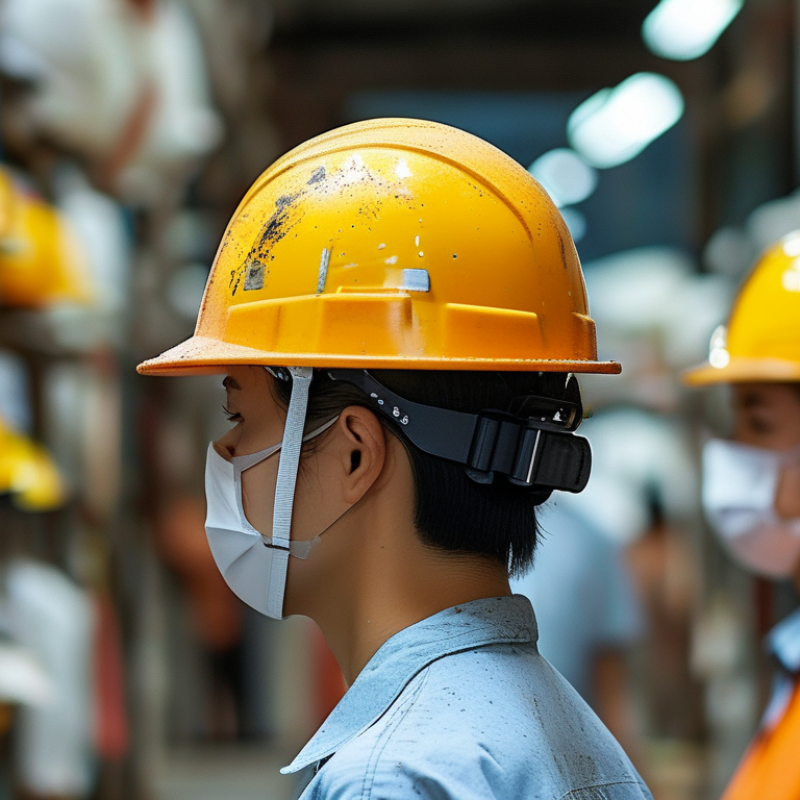
In construction and industrial settings, safety helmets are essential. Full brim safety helmets provide crucial protection against falling objects and harmful sunlight. A report from the Occupational Safety and Health Administration (OSHA) states that head injuries account for a significant percentage of work-related fatalities. The right helmet can reduce these risks.
These helmets also offer additional coverage. The extended brim shields workers from rain and harmful UV rays. A study showed that workers who wore full brim helmets reported a 30% lower incidence of heat-related illnesses. This is vital in hot environments where sun exposure is a concern.
Despite their advantages, not all helmets meet safety standards. Some low-cost options may lack proper certification. Employers must ensure that all helmets comply with relevant regulations, such as those set by ANSI/ISEA. Choosing the right full brim helmet is not just about cost; it’s about protecting the workforce effectively.
Key Features to Consider When Selecting a Full Brim Safety Helmet
When selecting a full brim safety helmet, assess its key features to ensure optimal protection. Look for helmets that offer a robust exterior to withstand impacts from falling objects. The material should be lightweight yet durable. Aim for a helmet that passes established safety standards, providing reassurance of its reliability.
Comfort cannot be overlooked. A welle-ventilated helmet offers better air circulation, reducing heat buildup during long wear. Ensure the interior padding is adjustable. This will help tailor the fit, allowing for a more snug feel. Remember, a comfortable helmet is more likely to be worn consistently.
Tips: Always try helmets on before purchasing. Check for any pressure points that could become bothersome. Consider the weather conditions in your work environment. A helmet designed for extreme temperatures will enhance safety and comfort. Lastly, don’t forget to replace helmets every few years. Wear and tear can reduce effectiveness over time. Investing in the right helmet means prioritizing your safety and well-being.
Understanding ANSI/ISEA Safety Standards for Hard Hats
When selecting a full brim safety helmet, understanding ANSI/ISEA safety standards is crucial. These standards dictate the performance and durability of hard hats. They provide guidelines on impact resistance, electrical protection, and penetration resistance. Knowing these specifications helps ensure you choose a helmet that meets your workplace requirements.
ANSI/ISEA standards categorize hard hats into different classes. Class E helmets can withstand high voltage, while Class G helmets are for general use. Class C helmets offer no electrical protection but are lightweight and comfortable. It's important to reflect on your specific needs when choosing a helmet. The right helmet can save lives, but neglecting these standards can lead to serious consequences.
Pay attention to the fit and comfort of the helmet as well. A poorly fitting helmet can slide or shift, reducing protection. It is easy to overlook this detail, but a tight-fitting design may cause discomfort over extended periods. Helmets should also be checked regularly for damage or wear. This ongoing maintenance is essential for reliability in a hazardous environment. Each aspect contributes to your overall safety on the job.
Safety Helmet Types and Their Compliance with ANSI/ISEA Standards
Assessing the Fit and Comfort of Full Brim Safety Helmets
When selecting a full brim safety helmet, fit and comfort are paramount. A helmet that doesn’t fit well can compromise safety. It might slip during a fall or not provide adequate protection. Measure your head using a soft tape measure. Note the circumference at the widest point. Compare this measurement to the sizing guide provided by the helmet manufacturer. A snug but comfortable fit is essential.
Comfort goes beyond just size. The weight of the helmet matters as well. Lightweight designs reduce fatigue during long hours of wear. Consider the interior padding; it should be soft and moisture-wicking. A helmet with ventilation systems helps keep you cool on hot days. Look for adjustable straps. They can enhance the fit, making it easier to wear for extended periods.
However, not every helmet will be perfect. Some might feel comfortable but lack proper ventilation. Others might be too heavy despite fitting well. It’s vital to test different brands and models. Spend some time wearing each option. This can help you identify the right balance between fit and comfort. Ensure to make informed decisions based on actual experiences, rather than marketing claims.
Material and Durability: Impact Resistance and Longevity Factors
When selecting a full brim safety helmet, material and durability are crucial. The helmet's construction affects its impact resistance. According to industry studies, helmets made from high-density polyethylene (HDPE) exhibit strong impact resistance. They can withstand various external forces, protecting the wearer from serious injuries. In some cases, advanced composite materials also offer superior durability and resistance to environmental factors.
One important factor is the helmet's longevity. A helmet can degrade over time due to exposure to UV light and other elements. A 2022 report indicated that helmets should be replaced every 3 to 5 years, even if they appear intact. Regular inspections are essential to ensure continued protection.
Tips: Always check the manufacturer's guidelines for replacement. Look for stability features that resist sliding during use. Proper fit enhances protection and comfort. Don’t overlook the importance of maintaining your helmet. Even minor scratches can compromise safety. Remember, a small investment in a quality helmet can prevent serious injuries in hazardous environments.
