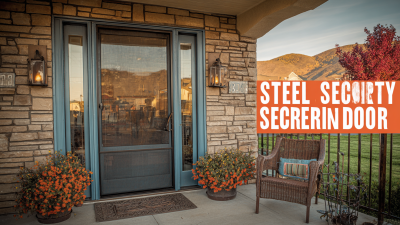
Top Tips for Choosing Front Door Security Screen Safely?
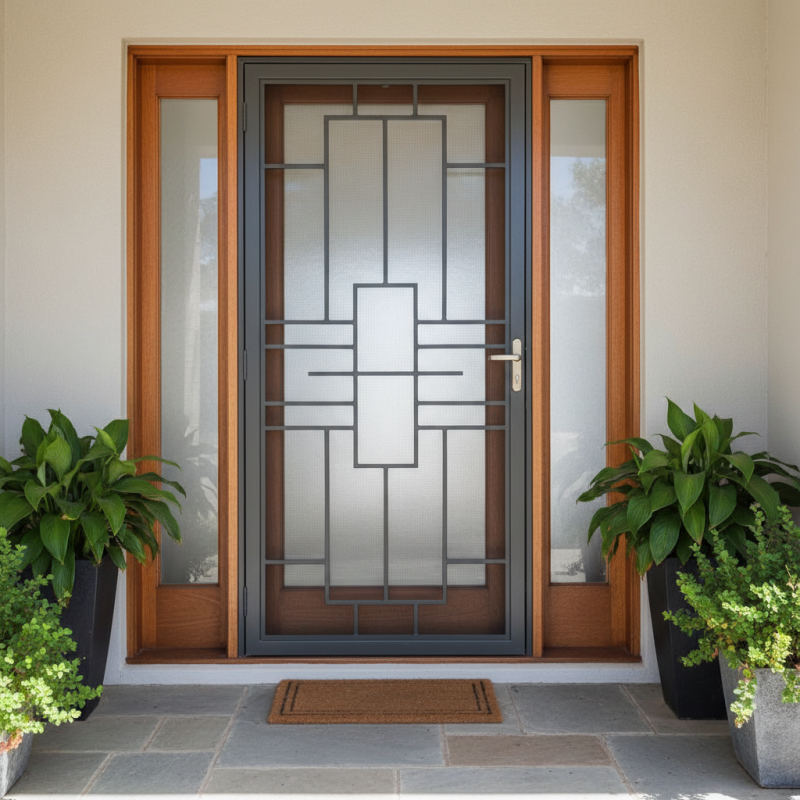
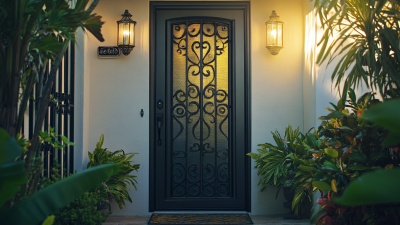
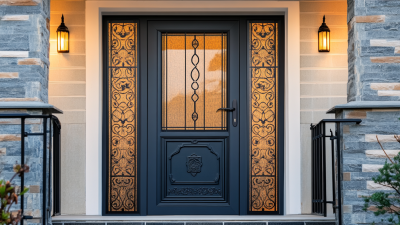
Choosing a Front Door Security Screen is crucial for safeguarding your home. With so many options available, it can be overwhelming. A security screen should not only look appealing but also provide the protection you need. Consider both aesthetics and functionality when making your choice.
It's important to select a screen that fits your front door well. Improper measurements can lead to gaps that compromise security. Look for durable materials that withstand harsh weather. These features can deter intruders while enhancing your home's curb appeal.
Additionally, think about ease of use. A screen that is difficult to operate may become a hassle over time. You might question your initial choice if it doesn’t function smoothly. Take the time to explore different styles and brands, and don’t rush the decision. Investing in the right Front Door Security Screen can ultimately provide peace of mind.
Understanding the Importance of Front Door Security Screens
Security screens for front doors are essential in today's safety-conscious society. According to a report by the Bureau of Justice Statistics, around 2.5 million burglaries occur in the U.S. each year. A solid security screen can deter potential intruders, offering peace of mind to homeowners.
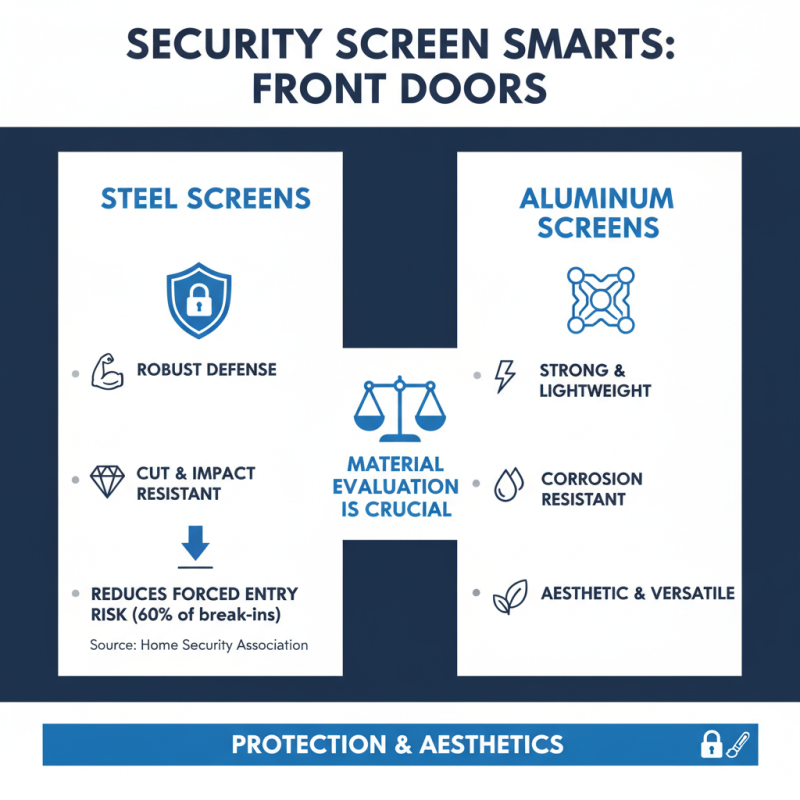
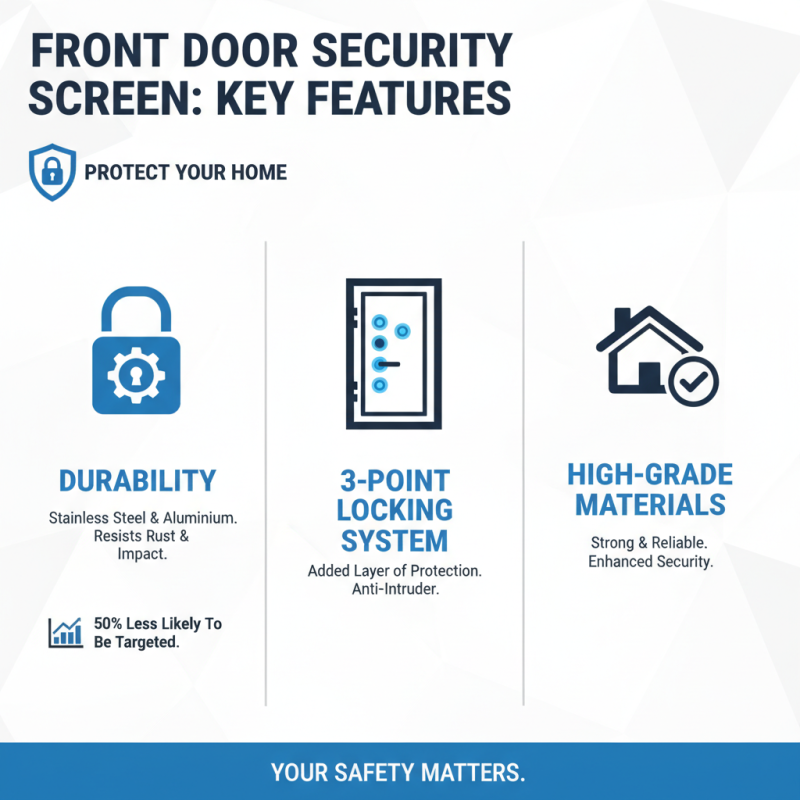
When choosing a security screen, consider the materials used. Steel screens provide strength, while aluminum screens are lighter but may not offer the same level of protection. Look for features like tamper-resistant locks and reinforced frames. A screen without proper installation can compromise your security.
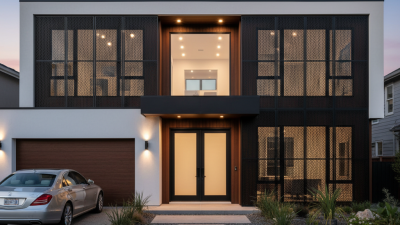
Before selecting a security screen, check local building codes. Some areas may have specific regulations. Assess your home's design too; tasteful screens can enhance curb appeal. Always aim for a balance between security and aesthetics. Remember, investing in quality screens not only protects your home but can also lower insurance premiums. Stay informed and make safety a priority.
Evaluating Different Materials for Security Screens
When choosing security screens for front doors, material evaluation is crucial. Different materials offer varied levels of protection and aesthetics. Steel and aluminum are popular choices due to their strength. Steel screens provide robust defense against intruders, with a resistance to cutting and impact. According to a report by the Home Security Association, up to 60% of break-ins involve forced entry. A solid steel screen can significantly reduce this risk.
On the other hand, aluminum screens are lighter and often less expensive than steel. They can withstand moderate force but lack the same level of durability. A study indicated that homes with aluminum screens are slightly more vulnerable to break-ins. The flexibility of aluminum can be a concern; while it’s easy to install, it may not hold up in extreme weather. Some homeowners find this trade-off challenging.
Another option is fiberglass, which offers a compromise between strength and visibility. It is resistant to rust and corrosion, making it suitable for coastal areas. However, it may not be as secure as metal screens. The aesthetic choice can also affect safety perceptions. Often, homeowners favor designs that enhance curb appeal over security features. This can lead to potential vulnerabilities. Balancing aesthetics and functionality is essential for effective home security.
Assessing the Installation Process and Requirements
When assessing the installation process for front door security screens, it’s essential to consider a few key factors. Begin by measuring your door frame accurately. Miscalculations can lead to fit issues that compromise security. Make sure the screen will fit snugly within the frame, allowing no gaps. This attention to detail can prevent potential security risks.
Additionally, evaluate the materials used in the security screen. Some materials are stronger and more durable than others. Research options that resist both corrosion and impact. It's not just about aesthetics—functionality should lead your choices. Consider installation complexity as well. Some screens are DIY-friendly, while others may require professional help. Choosing the wrong method can lead to improper fitting or even damage.
Remember, not all security screens are created equal. It's crucial to check installation requirements early in the process. Ensure you have the necessary tools and skills before starting. If you encounter issues during installation, don't hesitate to seek help. Sometimes, admitting that a project is beyond DIY capabilities is the best choice. Prioritize safety and security, even if it means adjusting your original plans.
Top Tips for Choosing Front Door Security Screen Safely
Budget Considerations for Choosing Security Screens
When selecting security screens for your front door, budget plays a significant role. According to a recent industry report, homeowners spent an average of $800 to $1,500 on security screen installations. This range can vary based on materials and design complexity. It's crucial to balance your security needs and financial limits.
Explore various options within your budget. Basic models might offer adequate safety for lower costs, but they may lack aesthetic appeal. High-end models can enhance your home’s look but might stretch your finances too far. Reflect on what you truly need versus what you desire.
Consider long-term costs too. Cheaper screens may require replacements sooner, leading to higher expenses. Investing in durable materials can save money over time. Look for features like warranty coverage, which can also indicate the manufacturer's confidence in their product. Make sure your investment provides the level of security you want.
Tip: Always compare multiple quotes from professionals. This ensures you get an accurate reflection of your local market's pricing. Don't rush the decision. Evaluate products thoroughly before committing to a choice.