China Best Marble Countertops Suppliers for Global Buyers
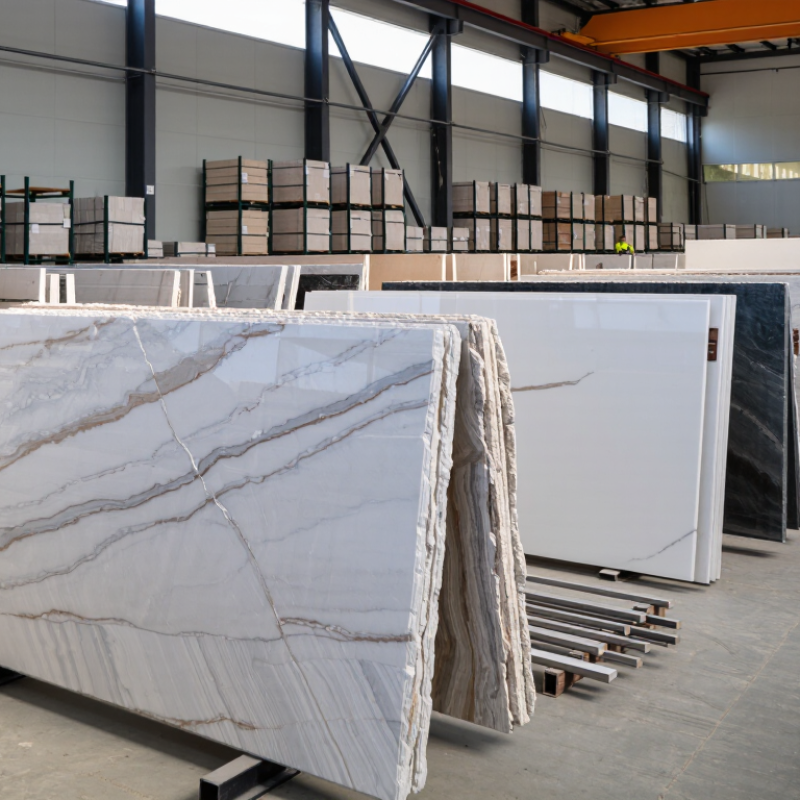
For global buyers, choosing Marble Countertops from China is not simply a matter of comparing prices. It means assessing stone quality, fabrication standards, communication, and the supplier’s ability to protect slabs during packing and shipment. A polished sample can look calm and uniform under showroom lights, while the full slab may show stronger veining, open fissures, or natural color shifts. Details matter.
Michelangelo, the Renaissance sculptor renowned for working with marble, is often credited with saying, “I saw the angel in the marble and carved until I set him free.” That image suits the material, but countertops require more than artistic vision. Buyers should request current slab photos, confirm dimensions and finish, and ask how cutouts, edges, and surface treatment will be handled. Clear answers are useful. Vague promises are not.
This guide introduces leading Chinese suppliers and the practical questions that help buyers compare them. It considers product range, customization, quality checks, export experience, and after-sales communication. Marble is a natural stone, so variation is part of the purchase, not necessarily a defect. Still, expectations can be missed. A small sample cannot tell the whole story. Reviewing the selected slab and agreeing on inspection criteria before production can reduce avoidable surprises. The goal is not to find a flawless promise, but a capable supplier whose process is visible and whose limitations are discussed plainly.
Understanding Marble Countertops and Their Common Applications
Marble countertops bring natural veining and soft color variation to kitchens, bathrooms, and other interior spaces. Each slab has its own pattern, so samples may not match the finished surface exactly. Veining varies. This is part of marble’s appeal, but buyers should review full slabs when pattern consistency matters.
In kitchens, marble is often used for islands, baking areas, and perimeter counters. Its naturally cool surface can suit pastry preparation. However, marble contains calcite, which can react with acidic foods such as lemon juice or vinegar. This may leave dull marks called etching. Sealer can slow liquid absorption, but it does not prevent etching. Wipe spills promptly, and expect some surfaces to develop signs of use.
Bathrooms commonly use marble on vanity tops, where contact with food acids is less frequent. It can also appear on counters in reception areas and other indoor settings. Before ordering, check slab color, thickness, edge details, and finished dimensions. Ask how veining will continue across joined sections. Small details matter. Installation quality affects both appearance and support, especially around sinks and overhangs. Marble requires care, and it may not suit every household. That trade-off deserves an honest look.
Marble Countertops: Common Applications and Care Considerations
Marble is commonly used for kitchen worktops, bathroom vanity tops, backsplashes, and fireplace surrounds. The chart shows a qualitative care-consideration rating: higher scores indicate greater attention to sealing, cleaning, and protection may be needed. It is a practical guide, not survey data.
China’s Marble Countertop Supplier Landscape
China’s marble countertop supplier landscape includes slab traders, stone processors, and fabricators that cut finished tops to order. Their capabilities differ. Some focus on material selection, while others manage templating, edge profiles, sink cutouts, and packing. Shuitou in Fujian is a well-known stone trading and processing hub, but a location alone cannot confirm a supplier’s quality.
Buyers can ask for slab photos taken in consistent light, with the stone’s surface and natural veining clearly visible. A small sample helps assess color, though it may not show the variation across a full slab. Request drawings that show dimensions, edge details, and cutouts. Confirm how the supplier checks measurements before production.
Communication matters. So does documentation. A clear quotation should identify stone type, finish, thickness, packing method, and what is excluded. Ask how corners are protected and whether crates are marked by room or order. These details can prevent confusion at delivery. Supplier claims still need checking; even a careful process can miss a flaw, and natural marble is not perfectly uniform. Some purchasing decisions remain imperfect, especially when samples and full slabs differ.
How to Evaluate Chinese Marble Countertop Suppliers
When evaluating Chinese marble countertop suppliers, look beyond polished showroom photos. Grand View Research estimated the global natural stone market at USD 36.7 billion in 2023, reflecting broad demand but not guaranteeing consistent quality.
Ask for the quarry location, block or lot identification, and recent slab photographs under neutral lighting. Compare veining, color range, thickness, and surface finish against an approved sample. Natural variation is normal. Unexplained variation between the sample and production slabs is not.
Request material test reports tied to the offered stone, not generic documents. ASTM C97 measures water absorption and bulk specific gravity; ASTM C880 tests flexural strength. Check that reports identify the tested material and laboratory.
Ask how the supplier inspects finished edges, cutouts, and polished surfaces, and whether it records defects before packing. A useful quality plan includes clear acceptance limits, replacement terms, and dated inspection photos.
Also review crate construction, slab separators, moisture protection, and loading records. These details reduce damage risks during long-distance transport.
One imperfect point: remote photos can still miss hairline cracks. Arrange an independent pre-shipment inspection for high-value orders, and keep the inspection criteria in writing.
Quality Standards, Customization, and Pricing Factors
China Best Marble Countertops Suppliers for Global Buyers
Quality Standards, Customization, and Pricing Factors
Reliable sourcing starts with clear inspection criteria. Ask suppliers to check slab thickness, polished surfaces, visible cracks, and edge consistency before packing. Marble naturally varies in veining and tone, so request photos of the actual slabs, not only a catalog sample. A small sample can still misrepresent a full countertop. Agree in writing on acceptable variation and any resin filling or mesh backing.
Customization affects both fit and cost. Share measured drawings that show cabinet dimensions, sink openings, backsplash height, and edge profiles. Confirm whether the supplier works from your final template or preliminary measurements. Mistakes happen. Check cutout positions and finished dimensions before production, and request a labeled layout for approval. A honed finish may also look different from polished stone under kitchen lighting.
Pricing depends on marble grade, slab yield, thickness, finish, fabrication, and packing. Complex corners and multiple cutouts often create extra labor and offcuts. Compare quotes with the same specifications; a low slab price may exclude crating, inland transport, or port charges. Ask how damages are documented and handled. Estimates can miss waste, especially when veining must align across adjoining pieces.
Importing Marble Countertops from China: A Step-by-Step Guide
When importing marble countertops from China, start with a written specification. Include slab thickness, finished dimensions, edge profile, cutouts, surface finish, and acceptable color variation. Attach a simple drawing with sink and faucet positions. Marble is natural stone, so a small sample may not represent every slab. Ask for photos of the actual selected slabs under neutral lighting, and confirm how pieces will be matched across the countertop. Small details matter.
Request a quotation that separates stone, fabrication, packing, and freight costs. Confirm the agreed payment schedule, production timeline, replacement terms for damage, and required shipping documents in writing. Before shipment, arrange an independent inspection or request clear photos of finished pieces, edges, labels, and protective packaging. Check that crates are sturdy and each component is identified. Then compare shipping options and confirm who handles customs clearance and delivery to your site. One easy mistake is approving a sample without checking its veining against the full slab. I would not treat a verbal assurance as a substitute for written measurements and inspection records. Marble varies, and schedules can slip; leave room for both.
