Best Sliding Glass Windows for Optimal Home Efficiency?
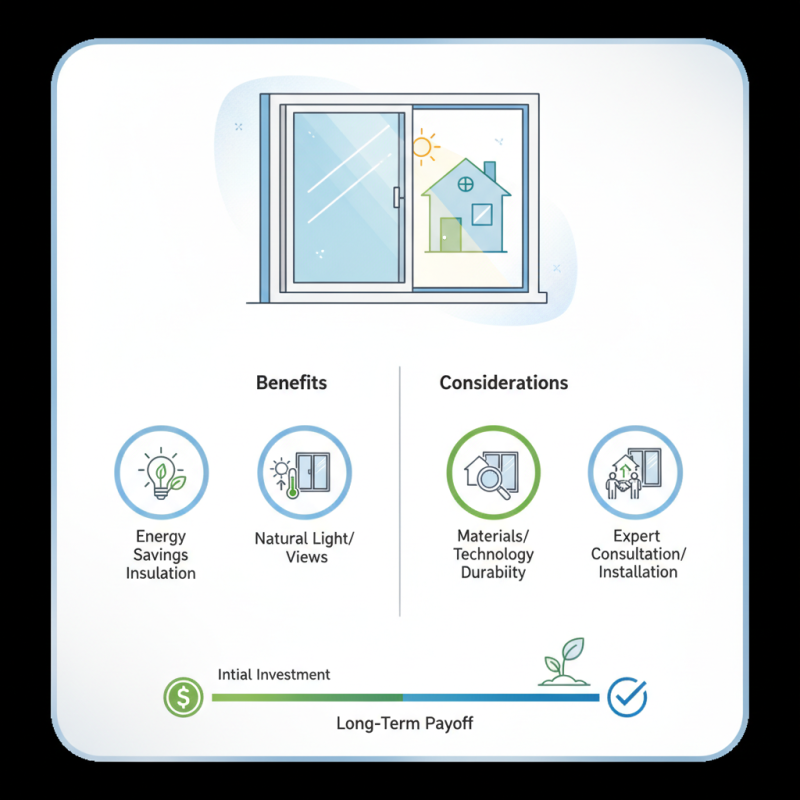
Sliding Glass Windows are a game changer for home efficiency. These windows blend style with functionality, allowing for natural light and clear views. They can enhance energy savings through better insulation. However, not all sliding glass windows are created equal.
Choosing the right product involves understanding your home’s needs. Some may offer better energy ratings, while others focus on durability. The market is full of options. This variety can be overwhelming. It's important to do thorough research about the materials and technologies involved.
The right sliding glass windows can significantly impact your home's comfort and efficiency. Yet, pitfalls exist. Improper installation can lead to issues like air leaks. Make sure to consult with experts to avoid common mistakes. The investment in quality sliding glass windows pays off in the long run.
Benefits of Sliding Glass Windows for Home Efficiency
Sliding glass windows are an excellent choice for enhancing home efficiency. These windows provide natural light, improving your home's ambiance while reducing the need for artificial lighting. According to the U.S. Department of Energy, proper window selection can save homeowners up to 30% on energy bills. This is particularly beneficial in climates with extreme temperatures.
One of the main advantages of sliding glass windows is their superior insulation capabilities. Double-paned glass can significantly reduce heat transfer. Energy-efficient windows typically have a low U-factor, which indicates better insulation performance. In turn, this can lead to lower heating and cooling costs. However, poor installation can negate these benefits, leading to drafts and energy loss.
For optimal performance, consider these tips: regularly check the seals and frames for wear, as this can impact efficiency. Ensure the windows are properly closed in extreme weather. Additionally, using window treatments like shades or curtains can further enhance insulation.
Investing in quality sliding glass windows can lead to long-term savings. However, it’s essential to balance aesthetics with energy efficiency. Sometimes, the high initial cost might seem daunting, but think of the potential savings over time. Home efficiency is an ongoing journey, demanding regular assessments and adjustments.
Key Features to Look for in Sliding Glass Windows
When choosing sliding glass windows, many key features contribute to optimal home efficiency. One crucial aspect is energy efficiency. Windows with double or triple glazing reduce heat loss. Low-emissivity (Low-E) coatings can also minimize heat transfer, keeping your home warmer in winter and cooler in summer.
Another important feature is durability. Look for frames made from vinyl or fiberglass. These materials resist weathering and last longer than traditional wood frames. Weatherstripping is also vital. This prevents air leakage and ensures windows close tightly. Strong locks enhance security, which is a significant concern for many homeowners.
Consider the style and design as well. Sliding glass windows should complement your home's aesthetic. The size matters too. Larger windows provide more natural light but may require more maintenance. Reflect on your needs, balancing efficiency, appearance, and practicality. Each home's requirements can differ significantly, making it essential to evaluate what features will work best for you.
Top Brands and Models of Sliding Glass Windows
When selecting sliding glass windows, energy efficiency is crucial. According to the U.S. Department of Energy, high-performance windows can reduce energy bills by 7% to 15%. Not all sliding glass windows are created equal. It’s essential to consider materials, insulation, and glass coatings when choosing models. Look for windows that feature double or triple glazing, as they offer better thermal insulation.
Choosing the right brand can also enhance performance. Research shows that well-established brands focus on innovation and sustainability. They often use low-emissivity (Low-E) glass, which reflects heat and blocks UV rays. This not only keeps homes cooler in summer but also protects furniture from fading.
Tips: Before purchasing, check the Energy Star ratings. These labels indicate windows that meet strict energy efficiency guidelines. Consider local climate conditions. Windows suited for colder climates differ from those ideal for warmer regions. Remember, investing in quality windows may carry higher upfront costs but leads to long-term savings.
Best Sliding Glass Windows for Optimal Home Efficiency
This chart illustrates the performance ratings of various attributes of sliding glass windows based on their effectiveness in home efficiency. Ratings are based on a scale of 1 to 10, with higher scores indicating better performance in thermal insulation, soundproofing, energy efficiency, durability, and aesthetic appeal.
Energy Efficiency Ratings and Standards for Windows
When selecting sliding glass windows, energy efficiency is often a top priority. Homeowners must consider ratings that reflect performance. Understand the U-factor, solar heat gain coefficient, and visible transmittance. These ratings indicate how well a window insulates and lets in natural light. Lower U-factors mean better insulation, which leads to reduced energy costs.
Moreover, you should pay attention to Energy Star certifications. These windows meet strict energy efficiency guidelines set by the EPA. They can significantly enhance your home's efficiency. It's essential to know regional climate impacts. Areas with harsh winters need windows that retain heat. Conversely, warmer regions require windows that block heat.
For optimal results, consider additional elements like the frame material and glazing options. Vinyl frames often provide better insulation. Double or triple glazing can also improve energy performance. Reflect on your home’s specific needs. Remember, investing in high-quality windows may lead to long-term savings. Inadequate choices can result in higher expenses. Careful selection is key to achieving both comfort and efficiency.
Maintenance Tips for Long-lasting Sliding Glass Windows
Sliding glass windows can enhance your home's energy efficiency, but maintaining them is essential for longevity. Start by cleaning the tracks regularly. Dust and debris can accumulate and hinder the smooth operation. Use a vacuum or a damp cloth to remove buildup. Avoid using abrasive materials that scratch the surface. This simple step can significantly improve the window's functionality.
Weather stripping is another critical area to check. If you notice drafts or condensation, it might be time to replace it. Deteriorated seals allow airflow, diminishing energy efficiency. Inspect the seals annually for cracks or wear. Replacing them is often straightforward and can lead to lower energy bills.
Finally, lubricate the sliding mechanisms. A silicone-based lubricant is ideal for preventing rust and ensuring a smooth glide. A quick application every few months can make a noticeable difference. Regular maintenance might seem tedious, but it helps avoid costly repairs in the future. Neglecting these small tasks could lead to significant issues down the line. Consider it a worthwhile investment in your home’s comfort.