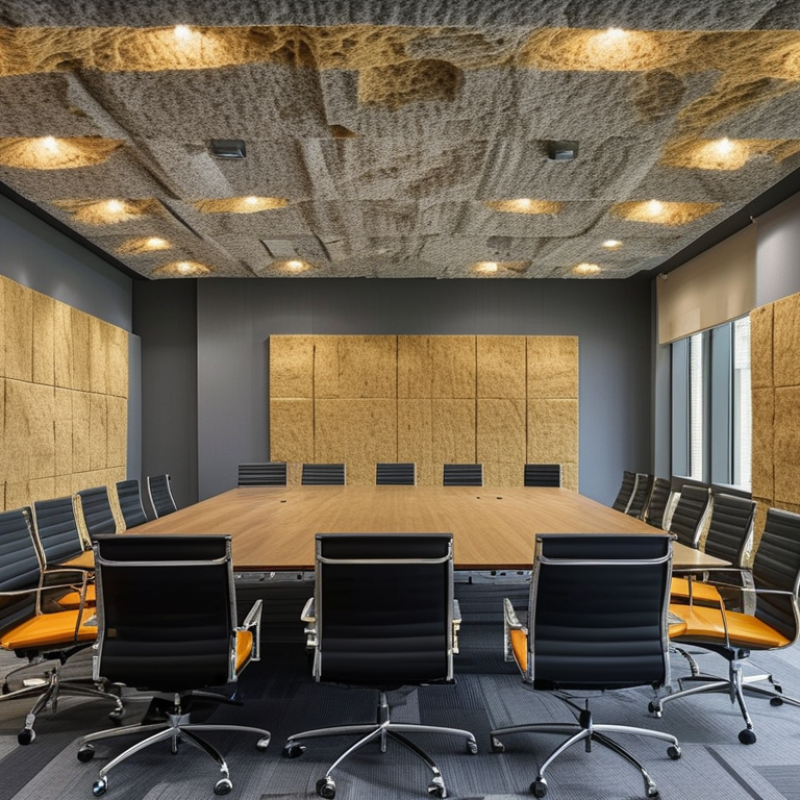
Best Rock Wool Acoustic Ceiling Solutions for Soundproofing?
When it comes to soundproofing, Rock Wool Acoustic Ceiling solutions stand out as a top choice. These materials effectively absorb sound, reducing noise pollution in various spaces. From homes to offices, proper sound insulation is crucial for comfort and productivity.
Rock Wool, with its dense texture, provides excellent noise control. Its fibrous structure traps sound waves, making environments quieter and more enjoyable. Installation can be straightforward, yet some challenges might arise. Choosing the right thickness and density is vital for optimal performance.
Many users have reported significant improvements in sound quality. However, it’s essential to consider installation techniques and potential acoustic gaps. Each space is unique, and what works for one may not work for another. Regular assessment and adjustments are necessary for lasting effectiveness.
Understanding Rock Wool and Its Acoustic Properties
Rock wool, a natural mineral fiber, is an excellent material for soundproofing. Its unique structure allows it to absorb sound effectively, making it ideal for acoustic ceilings. The fibrous nature traps sound waves, reducing noise transmission between spaces. This property is particularly beneficial in environments like recording studios and busy office areas.
Installing rock wool acoustic ceilings not only enhances sound quality but also improves thermal insulation. This dual functionality can lead to energy savings. However, handling rock wool requires caution. The fibers can irritate the skin and lungs if proper safety measures aren’t taken. This aspect is often overlooked, leading to potential hazards during installation.
Understanding the material's characteristics is key to maximizing its benefits. While rock wool is effective, it can be expensive and may require professional installation. Weighing these factors is essential when considering soundproofing solutions. Creative use of rock wool, combined with other materials, can also enhance acoustic performance. Exploring these options can lead to more effective sound management strategies in various spaces.
Best Rock Wool Acoustic Ceiling Solutions for Soundproofing
Benefits of Using Rock Wool for Soundproofing Ceilings
Rock wool is a popular choice for soundproofing ceilings due to its exceptional acoustic properties. This material is made from natural rock fibers, making it both sustainable and effective in noise reduction. One of the main advantages of rock wool is its density, allowing it to absorb sound waves efficiently. It significantly reduces echo and reverb, creating a quieter environment.
Another benefit is its fire-resistant nature. Rock wool can withstand high temperatures without compromising its integrity. This aspect adds an extra layer of safety in residential and commercial spaces. Moreover, it is resistant to moisture, which helps prevent mold growth. This is crucial for maintaining a healthy indoor atmosphere.
Tips: When installing rock wool, ensure you wear protective gear. The fibers can irritate the skin and lungs. Cut pieces accurately to minimize gaps. Gaps can reduce effectiveness. Use a vapor barrier to enhance moisture resistance. Consider consulting a professional for optimal installation techniques.
Best Installation Practices for Rock Wool Acoustic Ceilings
Installing rock wool acoustic ceilings can significantly enhance soundproofing in a variety of settings. Rock wool, known for its superior sound absorption properties, can reduce noise levels by up to 50% in certain spaces, according to industry data from the Acoustical Society of America. This makes it an ideal choice for theaters, studios, and even residential applications.
When installing rock wool ceilings, ensure you create a snug fit. Gaps can significantly compromise its effectiveness. Use appropriate tools to trim the panels accurately. Consider staggered installation patterns; this helps in minimizing sound bridges. Understand the weight of the materials. Rock wool panels can be heavy, so secure them properly to prevent sagging.
Tip: Always wear proper safety gear, as rock wool fibers can irritate the skin.
Properly sealing edges with acoustic caulk enhances sound isolation. Longevity is key, so take your time during the installation process. Early mistakes can lead to further costs down the road. This moment of diligence can yield lasting results, ultimately improving the acoustic quality of your space significantly.
Tip: Test sound levels before and after installation to gauge effectiveness.
Comparison of Rock Wool with Other Soundproofing Materials
When considering acoustic solutions, rock wool stands out among various soundproofing materials. Its unique properties provide excellent sound absorption. Rock wool is made from natural minerals, offering a sustainable option. It effectively reduces noise transmission between rooms, making it popular for homes and commercial spaces.
In comparison to alternatives like foam and fiberglass, rock wool provides superior fire resistance. This is a critical feature, particularly in building design. While foam is lightweight and easy to install, it lacks the durability of rock wool. Fiberglass, though effective, can irritate skin and lungs during installation. Rock wool presents a safer choice without compromising on performance.
However, it’s important to acknowledge that rock wool can be more expensive upfront. This can deter some users, especially in large projects. Installation may also require more labor, contributing to overall costs. Users need to reflect on their specific soundproofing needs before making a decision. Balancing budget, performance, and safety is essential in choosing the right material for effective soundproofing.
Best Rock Wool Acoustic Ceiling Solutions for Soundproofing
| Material Type | Sound Absorption Coefficient (NRC) | Density (kg/m³) | Thermal Insulation (R-value) | Fire Resistance | Cost (per sq ft) |
| Rock Wool | 0.90 | 80 | R-4 | A1 | $1.50 |
| Fiberglass | 0.75 | 24 | R-3 | A2 | $1.20 |
| Polyurethane Foam | 0.85 | 30 | R-6 | B2 | $2.00 |
| Mass Loaded Vinyl | 0.95 | 100 | N/A | A1 | $3.00 |
Top Rock Wool Products for Acoustic Ceiling Solutions
When considering effective acoustic ceiling solutions, rock wool stands out. Rock wool is known for its excellent sound absorption properties. According to a report by the Acoustical Society of America, materials like rock wool can reduce sound transmission by up to 40%. This quality makes it an ideal choice for both commercial and residential environments.
Many professionals recommend using rock wool panels in ceiling applications. These panels are lightweight and easy to install, making them versatile. A case study indicated that spaces treated with rock wool ceilings experienced a reduction in noise levels, which improved overall comfort. The open-cell structure of rock wool allows it to capture sound waves effectively, preventing echoes.
It's important to note that not all rock wool products are equal. The density and thickness of the panels can greatly impact their performance. Thicker panels often yield better results, but they can also be more challenging to fit in certain ceiling types. Balancing aesthetics and functionality is crucial when selecting the right product. Oversights in installation can lead to reduced effectiveness, highlighting the need for careful attention to detail.