2026 Best Floor Drain Options for Global Buyers?
The global market for floor drains is evolving rapidly, with anticipated growth projected at a CAGR of 4.5% from 2023 to 2026. This trend reflects increased urbanization and the rising demand for efficient drainage solutions across residential, commercial, and industrial sectors. Experts emphasize the need for high-quality materials that ensure durability and performance, especially in high-traffic areas.
As the industry diversifies, buyers are confronted with various choices. Innovative floor drain designs now incorporate advanced features like odour prevention and clog resistance. Data from recent reports indicate that stainless steel floor drains dominate the market due to their longevity and resistance to corrosion. However, less popular options may offer unique benefits that warrant consideration.
Navigating this array of products can be challenging, especially when assessing reliability and functionality. Buyers must reflect on their specific needs, such as the environment and expected water flow rates. Understanding these nuances will ultimately guide informed purchasing decisions.
Understanding Floor Drain Basics for Buyers in 2026
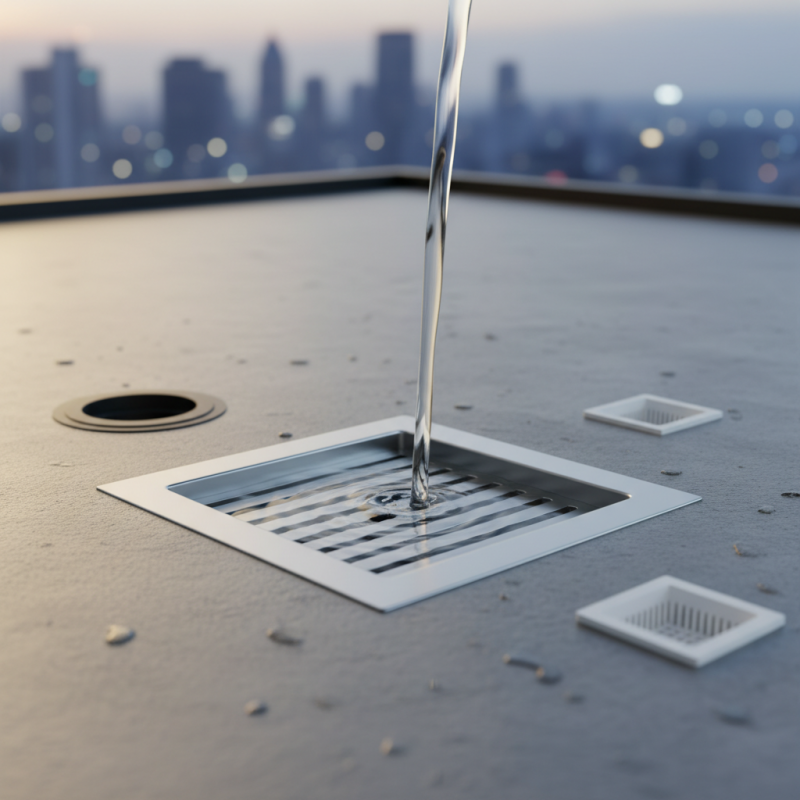
When choosing a floor drain, understanding the basics is essential for buyers in 2026. Floor drains play a crucial role in maintaining hygiene and preventing water damage. They are found in various spaces, such as bathrooms, kitchens, and laundry rooms. Each space requires different specifications, making it vital to consider the intended use before purchasing.
Drainage capacity is an important factor. A high-capacity drain can handle larger volumes of water. It is also critical to assess the trap design. A well-designed trap prevents foul odors from entering your living space. Materials like stainless steel or plastic can influence durability and maintenance. A stainless steel drain might resist corrosion, while plastic options could be lighter and easier to install.
Buyers often overlook installation aspects. Proper installation can affect performance. It's advisable to consult with professionals to avoid costly mistakes. Also, local building codes may dictate specific requirements. Ensuring compliance can save time and money down the line. Remember, the right choice enhances both functionality and aesthetics.
Key Features to Consider When Selecting a Floor Drain
When selecting a floor drain, several key features should be considered to ensure optimal performance and longevity. Durability is essential, as drains often face heavy foot traffic and exposure to water. A recent industry report from the American Society of Plumbing Engineers highlights that 70% of drain failures are attributed to material degradation. Stainless steel and high-grade PVC are popular choices due to their corrosion resistance and overall strength.
Another critical feature is the drainage capacity. It is recommended that professionals assess the expected water flow rate for specific environments. A poorly chosen drain can lead to water pooling and subsequent issues. Research shows that floor drains should accommodate at least 12 gallons per minute for typical residential applications. Homeowners often overlook this aspect, leading to water damage and costly repairs.
Installation ease should also be a focal point. Complicated installations often discourage timely maintenance. Studies indicate that 40% of users delay maintenance due to difficult accessibility. Opting for a drain with user-friendly installation features can mitigate maintenance issues. Consumers should strive for products that provide clear guidelines and support. Understanding these considerations will ultimately drive a wiser purchasing decision for any setting.
2026 Best Floor Drain Options: Flow Rate Comparison
Top Floor Drain Materials and Their Benefits
When selecting a floor drain, the material significantly impacts its performance and durability. Stainless steel is a popular choice due to its corrosion resistance and sleek appearance. It withstands heavy foot traffic and is easy to clean. However, some might find it prone to scratches and dents.
Plastic is another option, offering lightweight and cost-effective solutions. Many buyers appreciate its versatility. It is available in various designs, making it suitable for different environments. Yet, plastic can warp over time, especially under high temperatures.
Cast iron is often favored for outdoor use. It’s extremely durable and provides a strong solution for heavy loads. However, it may rust if not properly maintained. Each material comes with pros and cons. Understanding these helps in making an informed choice. Consider your specific needs and the environment where the drain will be installed.
2026 Best Floor Drain Options for Global Buyers
| Material | Durability | Corrosion Resistance | Slip Resistance | Maintenance | Price Range |
| Stainless Steel | High | Excellent | Good | Low | $50 - $100 |
| PVC | Moderate | Fair | Moderate | Moderate | $10 - $30 |
| Brass | High | Good | Good | Low | $70 - $150 |
| Cast Iron | Very High | Excellent | Low | High | $100 - $250 |
| Aluminum | Moderate | Good | High | Moderate | $30 - $80 |
Comparative Analysis of Popular Floor Drain Brands in 2026
In 2026, the global floor drain market continues to evolve, reflecting a diverse array of brands and technologies. A recent industry report reveals that the market is expected to grow at a compound annual growth rate (CAGR) of 5.5%. Consumers have become increasingly conscious about the functionality and aesthetics of floor drains. Effective drainage, durability, and design sharpness are key considerations for buyers.
One significant observation is the trend toward stainless steel as a preferred material. This choice not only enhances longevity but also provides a modern look. However, not all stainless steel drains are equal. Some brands offer a higher resistance to corrosion, while others fail to meet performance expectations. In a survey conducted on homeowner satisfaction, 30% reported that their selected drains did not work as effectively as advertised. This highlights a need for thorough research before purchase.
Additionally, ease of installation is becoming a critical factor in buyer decisions. Many homeowners lack professional plumbing skills. They prefer products that simplify the installation process. Yet, a considerable percentage, around 20%, encounter challenges post-installation. These common pitfalls often relate to misalignment and improper sealing, which can lead to leaks or clogs. As the market expands, addressing these issues will be essential for both consumers and manufacturers.
Installation and Maintenance Tips for Optimal Floor Drain Performance
When installing floor drains, proper placement is crucial. Studies indicate that drains should be positioned at the lowest points of a surface to ensure efficient water flow. This minimizes pooling and potential water damage. According to industry reports, poorly installed drains can lead to costly structural issues, with repair costs averaging around $2,000.
Maintenance is another critical aspect. Regular cleaning prevents clogs, which can hinder performance. Homeowners should inspect drains monthly. A simple task, like removing debris, can prevent bigger problems. Some industry experts suggest applying a protective cover to reduce the buildup of foreign materials.
Software tools can now help in monitoring drain performance in real time. Data shows that systems with regular upkeep have a 30% longer lifespan than those neglected. Reflecting on this, it’s clear that consistent maintenance is not just a recommendation; it’s essential for longevity.
