What Is the Best Container Unit to Buy in 2026? The right choice depends on how you will use it, where it will sit, and what condition you can accept. A 20-foot unit may fit a tight driveway or small worksite. A 40-foot unit offers more floor space, but delivery access and placement can become harder. The cheapest listing is not always the best value. A rusty roof seam or damaged door can turn a bargain into a repair project.
Industry data helps explain why careful selection matters. UNCTAD’s Review of Maritime Transport 2024 reports that global container port throughput reached 858.9 million TEUs in 2023, up 2.4% from 2022. That figure describes port activity, not the price or quality of containers available for purchase. Still, it shows the scale of container use and why buyers should distinguish shipping-grade equipment from units intended only for storage. Check the seller’s specifications, inspection records, and stated condition rather than relying on photos alone.
Dimensions also deserve a close look. ISO 668:2020 sets classifications and external dimensions for Series 1 freight containers, including common 20-foot and 40-foot formats. Measure your access route, ground space, and intended cargo before choosing. Then inspect the floor, corner posts, roof, and door seals in person when possible. Look closely. Small defects matter. There is no universal best Container Unit in 2026; the sensible buy balances size, condition, delivery cost, and intended use. Even a careful checklist cannot remove every surprise, so leave room in your budget for basic repairs.
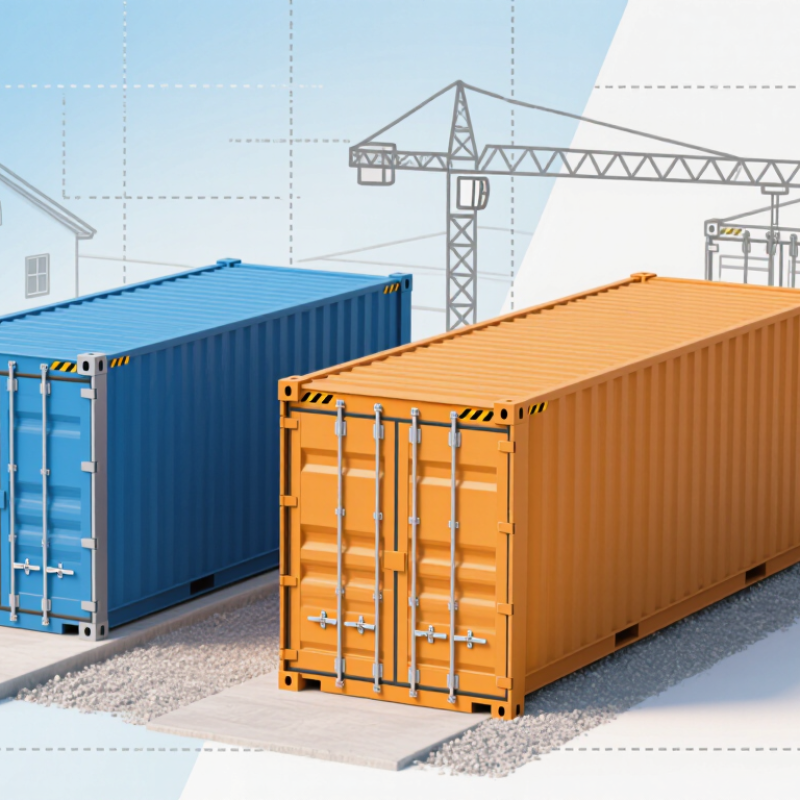
Choosing a container in 2026 starts with the cargo, not the price. A standard dry unit suits boxed goods and equipment that need weather protection. A high-cube unit adds interior height for bulky, lighter loads. For temperature-sensitive freight, a reefer needs a dependable power connection and operating checks. Open-top and flat-rack units can handle awkward dimensions, but loading and securing them requires extra planning.
Weight matters as much as volume. Check the unit’s data plate for its maximum gross mass and allowable payload; then confirm that the cargo, packing, and handling equipment stay within those limits. UNCTAD’s Review of Maritime Transport 2024 reported that containerized trade grew by 1.2% in 2023 and projected 3.5% growth for 2024. That signals demand, not a guarantee that any particular unit will suit your route.
Match the container’s dimensions and corner fittings to the chassis, vessel, and handling equipment involved. For reefers, verify power availability at every transfer point. Small mismatch, costly delay.
I would still inspect the unit’s condition and verify its paperwork before purchase; specifications alone cannot reveal a worn floor or damaged seals.
A 20-foot container offers about 33.2 m³ of nominal volume, while a 40-foot unit offers roughly 67.7 m³. The longer unit provides just over twice the stated capacity. That difference sounds simple, but nominal volume is not the same as usable loading space.
A 20-foot unit can suit compact storage, smaller shipments, or sites with limited access. Its shorter floor makes it easier to position, and goods may be simpler to reach without leaving a long aisle. A 40-foot unit gives more room for bulky items, pallets, or a larger inventory. But extra length can be awkward when access is tight. That matters.
Check internal dimensions, door opening, floor condition, and the shape of your goods before choosing. Wall ribs and door hardware reduce practical clearance. Pallets also leave gaps that a volume calculation cannot capture. Measure twice. I would not treat the nominal figures as a promise of how much will fit; that assumption is easy to make and sometimes costly.
Compare the delivered price, transport access, and expected loading pattern, not just capacity. A half-empty 40-foot unit may be poor value if your goods occupy little floor space. A 20-foot unit may require another trip if stock grows. Sketching the layout with actual item dimensions can reveal which trade-off fits your site and plans.
A standard container is about 2.59 m tall externally; a high-cube unit is about 2.90 m. That extra 31 cm can matter when loading tall equipment, shelving, or bulky furniture. It does not add the full 31 cm of usable interior height. The floor, roof framing, and door opening reduce the clearance available inside.
Measure the tallest item you plan to load, including pallets or handling equipment. Then compare it with the container’s interior height and door opening, not just the external dimensions. A few centimetres can decide whether a cabinet rolls in upright or needs tilting. That gets awkward fast. Also check the route and placement area: overhead branches, low structures, or a sloped driveway may limit delivery clearance.
A standard unit may suit general storage and can be easier to place where height is restricted. Choose a high-cube when the extra interior space has a clear use, such as stacking light goods or storing taller machinery. Confirm exact dimensions on the supplier’s specification sheet, since construction and age can vary. A tidy measurement on paper can still miss a hinge, roof rib, or raised floor. Measure twice. Then decide whether the extra height is worth the space and delivery constraints.
Standard vs. High-Cube: External Height Comparison
High-cube containers are approximately 0.30 m taller externally than standard containers, offering extra vertical space. Dimensions shown are nominal; verify the specific unit’s specifications before buying.
When comparing container units in 2026, verify safety approval before judging paint, price, or appearance. Check the CSC plate. It should be securely attached and legible, with approval details and the container’s manufacture date. Confirm that the plate matches the unit, not a sales photo or separate document. A mismatched number deserves a pause.
The CSC framework generally requires a container to be examined before its fifth year and at intervals no longer than 30 months afterward, unless it is covered by an approved continuous examination programme. Ask for records showing which inspection system applies and when the next examination is due.
Look closely. Check door hinges, locking bars, corner castings, and floor edges for cracks, heavy corrosion, or fresh patches that conceal damage. A current plate is important, but it does not prove that every part is sound today.
I would not treat a quick walk-around as a full technical inspection; that is an easy mistake when a unit looks tidy. If the plate is missing, unreadable, or inconsistent with the paperwork, get qualified clarification before committing. A few clear photos and a dated inspection record can make later checks much less uncertain.
When comparing used container units in 2026, inspect the floor before judging the paint or asking about delivery. Walk it slowly. Notice soft spots, raised boards, loose fasteners, and dark stains near the walls. A straightedge can reveal dips that are hard to see from the doorway. Light surface marks may be ordinary wear, but spongy wood or a persistent damp smell deserves closer attention. Ask when the floor was repaired and whether the seller can show the work.
Open and close both doors several times. They should move without force, and the locking bars should turn smoothly. Check the rubber seals for gaps, splits, or areas flattened by age; a thin line of daylight can signal a weatherproofing problem. Inspect each corner casting for cracks, heavy distortion, and fresh-looking patches that may hide earlier damage. Photos help, but they cannot replace seeing the unit in person. Even a careful walk-through may miss a concealed repair, which is an uncomfortable limitation. If something feels uncertain, request an independent inspection before paying. A cheaper unit can cost more when its floor, doors, or castings need work.
WhatsApp us