What are the Best Bathroom Fittings for Your Home?
The bathroom is a crucial part of any home, often reflecting personal style and comfort. Selecting the right Bathroom Fittings plays a vital role in enhancing both functionality and aesthetics. According to a recent report by the National Kitchen & Bath Association, over 70% of homeowners prioritize high-quality fittings when renovating their bathrooms. This decision impacts not just the experience of using the space but also the home’s overall value.
Industry expert, James O'Hara, emphasizes, “Quality Bathroom Fittings can transform the ordinary into the extraordinary.” His insights resonate in an era where homeowners aim for both luxury and durability. The right choices include faucets, sinks, and cabinetry that withstand daily use while providing style. However, not all selections are straightforward. Balancing personal preferences and budget constraints can be challenging.
As trends evolve, a careful approach is necessary. Popular choices may not always suit every individual’s needs or tastes. The risk lies in following trends without considering long-term value. Reflecting on these factors will guide homeowners in making informed decisions regarding their Bathroom Fittings. Choosing wisely ensures that every element contributes to a cohesive and pleasing environment.
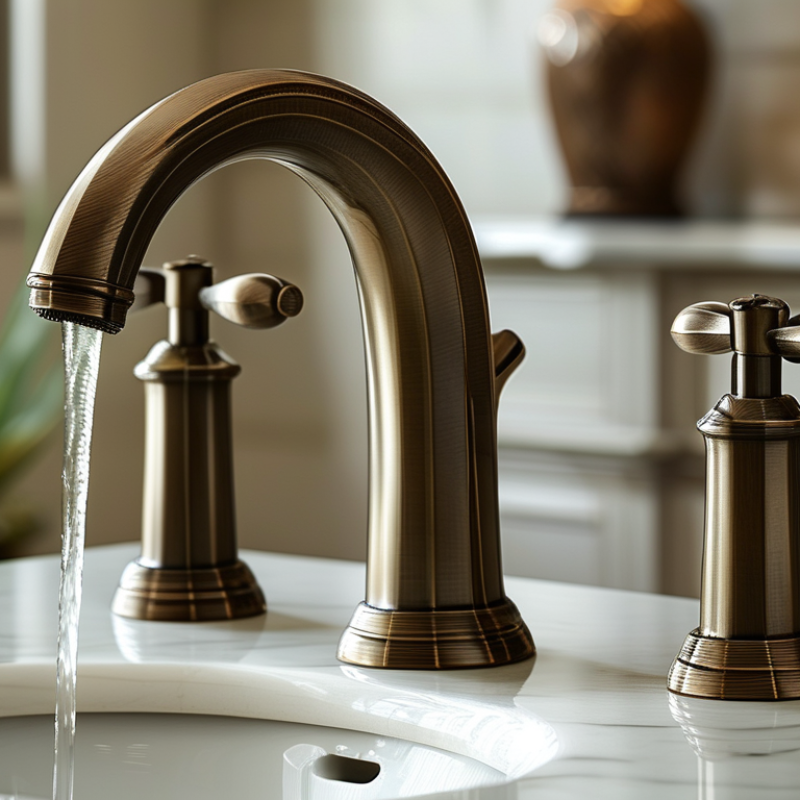
Choosing Quality Materials for Bathroom Fittings
When selecting bathroom fittings, the choice of materials can significantly impact both aesthetics and functionality. High-quality materials often withstand moisture and wear better than cheaper options. For example, stainless steel fixtures resist rust and provide a sleek look. Natural stone countertops, while more costly, bring an earthy charm and durability. However, their maintenance can be challenging, requiring regular sealing to maintain their luster.
Consider eco-friendly materials as well. Bamboo, for instance, offers a sustainable alternative for cabinetry and shelving. It adds warmth to the bathroom while being water-resistant. Ceramic tiles are another robust option. They come in various colors and textures, allowing for creative designs. Yet, it's essential to ensure proper installation to avoid cracks or water seepage.
Reflecting on personal preferences is crucial. Think about how much wear your fittings will endure. Opt for materials that match your lifestyle and aesthetic desires. Sometimes, investing in quality pays off in the long run. Don't overlook the importance of balance between style and function. The ultimate goal is to create a space that feels inviting and is practical for everyday use.
Essential Features to Look for in Bathroom Fixtures
When selecting bathroom fixtures, focus on durability and ease of maintenance. Quality materials like stainless steel and ceramic are highly recommended. These materials resist rust and staining, ensuring longevity in a humid environment. Consider the finish on faucets and showerheads; a brushed or matte finish can hide water spots effectively.
Look for smart technologies that enhance functionality. Features like touchless faucets and adjustable showerheads improve convenience. They also promote hygiene, reducing the need for constant cleaning. However, be mindful of the learning curve with some of these advanced features. Not every user will adapt easily.
Water efficiency should be a priority. Opt for fixtures that conserve water without compromising performance. Low-flow toilets and showerheads can significantly reduce water usage. Yet, it’s crucial to assess whether they deliver satisfactory pressure and flow. Balancing efficiency with performance can sometimes require careful research and user feedback.
What are the Best Bathroom Fittings for Your Home?
| Feature | Description | Importance |
| Material | Choose durable materials like brass or stainless steel for longevity. | High |
| Water Efficiency | Look for fixtures with low flow rates to save water and reduce bills. | High |
| Style | Select designs that complement your bathroom aesthetic. | Medium |
| Ease of Installation | Choose fittings that are easy to install or come with installation support. | Medium |
| Warranty | Ensure products have a solid warranty for peace of mind. | High |
| Finish | Select finishes that resist tarnishing and are easy to clean. | Medium |
Popular Styles of Bathroom Fittings and Their Benefits
When choosing bathroom fittings, style matters. Sleek fixtures can transform an average restroom into a luxurious retreat. Popular styles include modern, industrial, and vintage. Modern fittings often feature clean lines and minimal designs. They create an uncluttered look that enhances a spacious feel. Industrial styles utilize raw materials like metal and wood, offering a rustic charm. Vintage fittings, with their intricate details, add character and warmth.
In terms of benefits, modern fittings tend to be more efficient. Many are designed with water conservation in mind. Industrial styles are durable and can withstand heavy use. They age gracefully, developing a unique patina over time. Vintage fittings can be a conversation starter. They carry stories of craftsmanship and history, making them more than mere functional pieces.
However, balancing aesthetics and practicality can be complex. It’s essential to choose fittings that resonate with your personal style while meeting daily needs. Overspending on trendy items may lead to regret later. Ensure that what you choose complements your home’s overall feel. Finding the right bathroom fittings may require reflection and flexibility in your choices.
Popular Styles of Bathroom Fittings and Their Benefits
Energy Efficiency and Sustainability in Bathroom Choices
When considering bathroom fittings, energy efficiency and sustainability should be top priorities. According to the U.S. Environmental Protection Agency, households can save approximately 20% on water bills by installing water-efficient fixtures, such as low-flow toilets and faucets. These fixtures use less water without sacrificing performance, making them an eco-friendly choice that benefits both the environment and your wallet.
Sustainable materials play a crucial role in bathroom design. Opting for fittings made from recycled or responsibly sourced materials not only reduces environmental impact but also creates a unique aesthetic. For instance, bamboo and recycled glass are becoming popular for their durability and low ecological footprint. However, it’s essential to verify certifications from manufacturers to ensure materials are genuinely sustainable. Some industries still lack transparent sourcing practices, which can lead to confusion for consumers.
Energy-efficient lighting is another vital aspect often overlooked. LED bulbs consume up to 75% less energy than traditional incandescent bulbs. However, not all LEDs are created equal; some can have a shorter lifespan and higher costs in the long run. Researching and opting for reputable brands with strong warranties may mitigate these concerns. Balancing aesthetics and efficiency is challenging but necessary for modern bathroom renovations. Each choice contributes to a more sustainable future.
Maintenance Tips to Prolong the Life of Bathroom Fittings
Bathroom fittings can enhance your space, but they require proper care. Regular maintenance is essential to prolong their lifespan. Simple steps can make a significant difference.
Check for leaks. A small leak can lead to larger issues. Inspect faucets and pipes periodically. Tighten any loose connections. Replace worn-out washers to prevent drips.
Clean your fittings with mild cleaners. Avoid harsh chemicals as they can damage surfaces. Use a soft cloth to wipe away grime. Pay attention to hard-to-reach areas. Build-up can occur, leading to corrosion.
For metal fittings, consider polishing them occasionally. This can prevent tarnishing. If you notice signs of wear, like discoloration, it may be time for a replacement. Keeping an eye on these details can lead to a more lasting investment in your home.
