Top 10 Benefits of Custom Zinc Alloy Die Casting for Buyers
In the manufacturing world, "Custom Zinc Alloy Die Casting" stands out as a powerful technique. It offers a blend of durability and design versatility that many materials cannot match. This method makes it possible to create complex shapes with remarkable precision. Buyers in various industries can benefit significantly from the unique properties of zinc alloys.
One key advantage is the cost-efficiency of custom die casting. It reduces waste and optimizes production cycles, which is essential for businesses. In addition, the lightweight nature of zinc alloys contributes to lower shipping expenses. However, not all custom die casting projects reach their full potential. Some companies may still struggle with quality control.
It’s vital to work with experienced providers. Authoritative suppliers can ensure that the final product meets specifications and standards. Engaging with knowledgeable partners pays off. Buyers should always weigh their options carefully. Investing in custom zinc alloy die casting can lead to long-term advantages, provided that challenges are acknowledged and addressed.
Benefits of Custom Zinc Alloy Die Casting for Design Flexibility
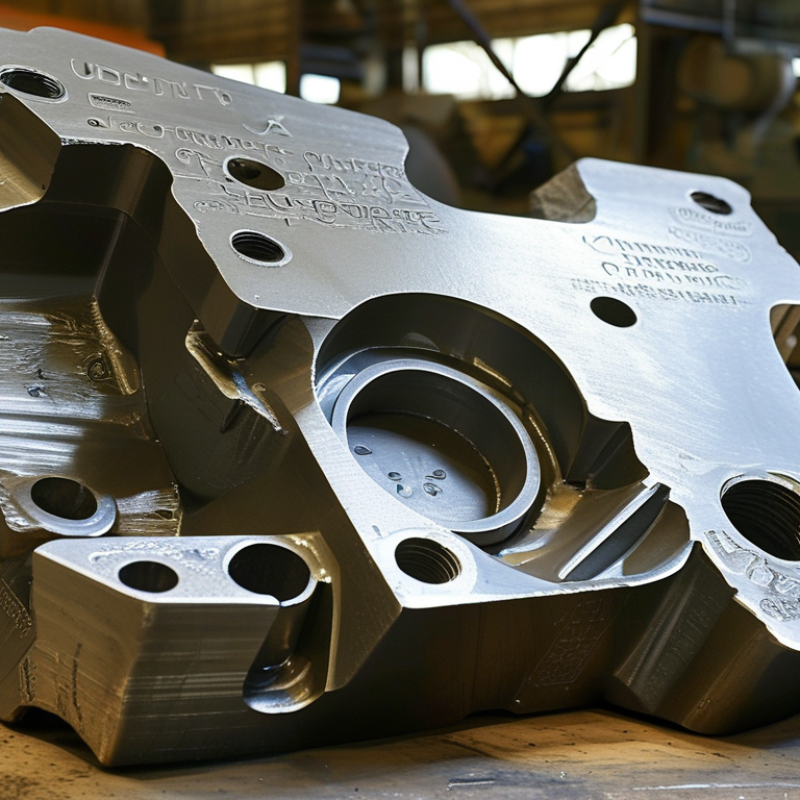
Custom zinc alloy die casting offers significant design flexibility, making it a compelling choice for many projects. Manufacturers can create complex shapes with high precision. This flexibility allows for intricate details that enhance the aesthetic appeal of a product. Design teams appreciate being able to innovate without worrying about constraints. They can explore unique designs which optimize functionality while maintaining elegance.
One often overlooked aspect is the adaptability of zinc alloy in various applications. Whether it's automotive parts or consumer electronics, this material thrives in diverse environments. It can be easily modified to meet specific requirements, leading to streamlined production processes. However, achieving the perfect specification can sometimes take multiple iterations. Buyers must be prepared for a trial-and-error approach. The learning curve may present challenges, but the results can justify the effort, yielding products that stand out in the market.
Incorporating custom zinc alloy parts into your design not only enhances performance but also opens up new creative avenues. Teams can experiment with textures, finishes, and colors, pushing traditional boundaries. While this process may introduce uncertainties, the potential for groundbreaking designs makes it worth the journey. Embracing these challenges can lead to innovative solutions that resonate with consumers.
Cost Efficiency: How Custom Die Casting Reduces Manufacturing Expenses
Custom zinc alloy die casting offers significant cost efficiency for manufacturers. By utilizing this method, buyers can lower production expenses while maintaining high-quality products. The precision of die casting minimizes material waste. This process ensures that nearly every bit of metal is utilized effectively.
Additionally, custom die casting streamlines the manufacturing process. It allows for complex shapes and designs that traditional methods cannot produce easily. The quicker turnaround times also mean reduced labor costs over time. However, one must consider the initial investment in tooling and machinery.
Quality control is paramount in die casting. Ensuring that dies align perfectly can be challenging, leading to potential imperfections. Yet, the benefits often outweigh the risks. By regularly evaluating processes, manufacturers can identify areas for improvement and enhance efficiency further. Ultimately, custom zinc alloy die casting represents a smart choice for cost-conscious buyers.
Enhanced Product Durability with Zinc Alloy Die Casting Techniques
Zinc alloy die casting has emerged as a preferred choice for various industries. More specifically, it significantly enhances product durability. Research indicates that components made from zinc alloys can outlast those made from traditional materials, providing a service life that is, on average, 50% longer.
The robust nature of zinc alloys stems from their inherent strength and corrosion resistance. A study by the Metal Casting Industry indicates that parts produced with zinc alloys have a failure rate up to 30% lower than those utilizing alternatives like aluminum. This durability is crucial in sectors such as automotive and aerospace, where product reliability is non-negotiable.
However, not all zinc die-cast components guarantee enhanced durability. Quality control during the casting process can lead to variations in final products. Each manufacturing facility must prioritize strict adherence to quality standards to ensure optimum performance. Neglecting these practices can lead to inconsistent results, which ultimately affects product longevity and buyer satisfaction.
Improved Surface Finish and Aesthetic Appeal in Custom Die Castings
Custom zinc alloy die casting offers distinct advantages, particularly in enhancing surface finish and aesthetic appeal. Achieving a smooth, polished surface is a significant benefit that attracts buyers. The fine detail achieved through this process allows for an array of textures and finishes, making products visually appealing. Buyers increasingly seek components that have a refined appearance, which can elevate their brand image.
Moreover, aesthetic appeal goes hand in hand with function. Designed components often emphasize sleek lines and elegant shapes, enabling manufacturers to produce not just functional parts, but attractive ones. Consider how a beautifully finished die casting can grab attention in a crowded market. Custom finishes can reflect brand identity, influence purchasing decisions, and enhance product value. Buyers are sometimes concerned about cost, but the return on investment is often evident in increased customer satisfaction.
Yet, not all die casting processes yield flawless results. Variations in technique can lead to imperfections. These issues might affect a product’s look and feel. Thus, reflection on process improvement is vital. Striving for higher consistency in surface quality can lead to greater customer trust. Every detail counts, and even slight imperfections can affect perception. Emphasizing quality through custom finishes must remain a priority for buyers and manufacturers alike.
Environmental Advantages of Using Zinc Alloy in Die Casting Processes
Zinc alloy die casting stands out for its environmental benefits. This technique offers a lower carbon footprint compared to other metal casting methods. Zinc is abundant and requires less energy to melt. This energy efficiency translates into decreased greenhouse gas emissions during production.
In addition to energy savings, the recyclability of zinc alloys plays a significant role. These materials can be recycled multiple times without losing quality. This reduces the demand for new raw materials and conserves natural resources. Such characteristics make zinc an attractive option for sustainable manufacturing practices.
Challenges still exist. For instance, the initial setup costs for die casting can be high. However, the long-term savings in energy and materials often compensate for this expense. As industries move toward eco-friendliness, the advantages of zinc alloy die casting become more evident, illustrating a commitment to sustainability.
Top 10 Benefits of Custom Zinc Alloy Die Casting for Buyers
| Benefit | Description | Environmental Impact |
| Durability | Zinc alloys offer high strength and resistance to corrosion, resulting in longer product lifetimes. | Reduces waste and resource consumption by minimizing replacement needs. |
| Cost Efficiency | Lower material costs and enhanced production efficiency lead to significant savings. | Promotes sustainable manufacturing practices through efficient resource use. |
| Recyclability | Zinc alloys are fully recyclable, allowing easy recovery and reuse of materials. | Significantly reduces the environmental footprint and conserves natural resources. |
| Complex Geometries | Allows for intricate designs that help reduce the weight of end products. | Lower weight means less energy consumption during usage. |
| Thermal Conductivity | Excellent thermal management properties enable effective heat dissipation. | Improves energy efficiency in applications such as electronics. |
| Design Flexibility | Easily tailored to meet specific needs without excessive lead times. | Supports rapid prototyping, reducing material wastage. |
| Finish Quality | High-quality surface finishes reduce the need for additional processing. | Minimizes energy and material use associated with further finishing processes. |
| Reduced Waste | Efficient die casting reduces scrap and leftover materials. | Contributes to a circular economy through less landfill waste. |
| Regulatory Compliance | Easier to meet environmental standards with non-toxic materials. | Promotes environmentally responsible production methods. |
| Time Saving | Faster production cycles help bring products to market quickly. | Supports quicker adoption of sustainable practices in the industry. |
