10 Best Security Shutters for Global Buyers?

Choosing the right Security Shutters can protect storefronts, warehouses, homes, and public buildings across very different environments. Global buyers face more than appearance and price. They must consider wind exposure, salt air, heat, noise, corrosion, installation quality, and maintenance access. A shutter designed for a dry inland shop may fail early beside a coastal loading bay.

John Graham, a veteran security-shutter installer, offers a practical warning: “A shutter is only as secure as its weakest fixing.” That advice keeps the discussion grounded. Strong slats cannot compensate for poor anchors, weak guides, or an unsuitable locking system. Buyers should examine material thickness, curtain design, motor reliability, manual override, impact resistance, and available replacement parts. Regional building requirements also matter. Safety features must never be treated as optional.

This guide reviews ten Security Shutters for international buyers. It compares practical performance, not marketing language alone. Some models offer excellent resistance but feel heavy during daily operation. Others operate quietly, yet need careful servicing. That trade-off deserves attention. No product suits every building, climate, or budget. I have also found that installation decisions can matter more than the catalog specification. Measure the opening twice. Check the fixing surface. Ask who will repair the shutter after purchase.

The strongest choice is usually the one that balances protection, usability, compliance, and long-term support. A secure shutter should deter forced entry without creating unnecessary risks for occupants, workers, or emergency access. Cost matters, but replacement delays can cost more. Look closely. Small details often decide the result.
10 Best Security Shutters for Global Buyers?

Security Shutters: Definition, Purpose, and Core Protection Features

Security Shutters: Definition, Purpose, and Core Protection Features

Security shutters are rigid, interlocking panels installed over windows, doors, or shopfronts. They create a visible physical barrier before glass or internal locks are reached. Their purpose is not to make a building invulnerable. It is to delay forced entry, reduce visibility, and protect openings during closed hours.

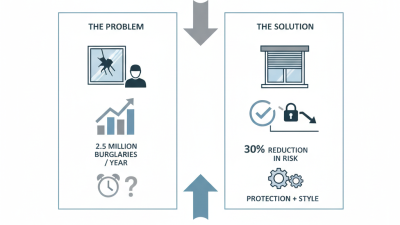
The FBI Crime Data Explorer recorded an estimated 847,522 burglary offenses in the United States in 2023. That figure shows why opening protection still matters.

A dependable shutter normally includes reinforced side guides, a secure bottom rail, concealed fasteners, and a tested locking system. Steel can provide strong impact resistance, while aluminum may reduce weight and corrosion concerns. Solid profiles improve privacy, but perforated designs preserve airflow and limited visibility. Small choices matter.

Buyers should review wind-load ratings, corrosion testing, operating cycles, and emergency release arrangements. EN 1627 resistance classes can help compare tested doors and shutters, although certification does not replace site-specific assessment. The National Crime Victimization Survey also shows that security decisions should consider location, occupancy, and exposure, not fear alone. Some shutters are over-specified. Others fail because guides are poorly anchored or maintenance is ignored. A qualified installer should inspect the wall, opening size, drainage, and control access before selection.

Ten Leading Security Shutter Types for Different Global Applications

10 Best Security Shutters for Global Buyers?

Ten Leading Security Shutter Types for Different Global Applications

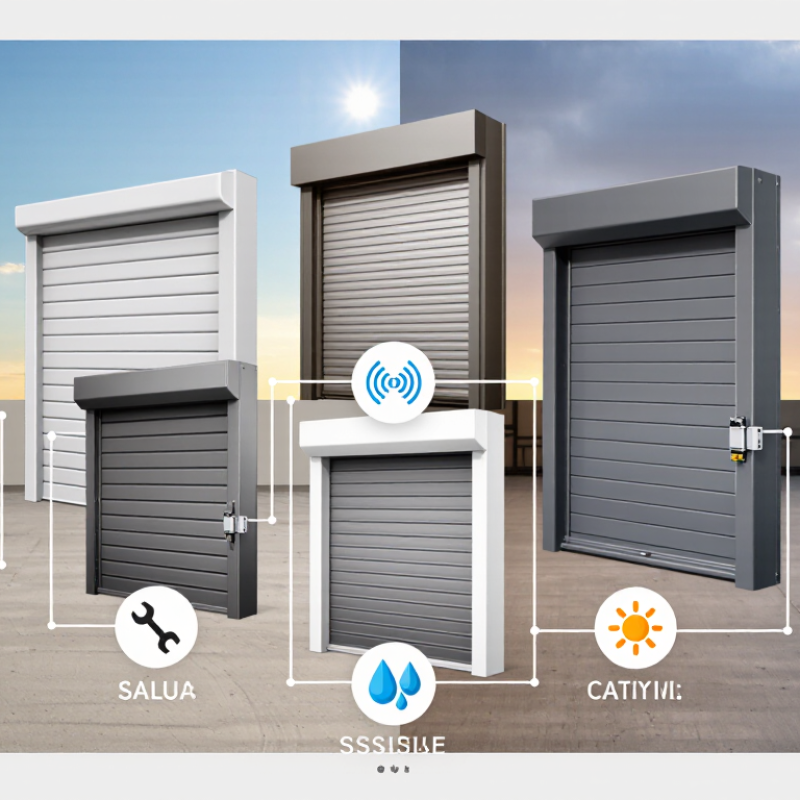
Security shutters must match the building, climate, and daily operating needs. Rolling steel shutters suit warehouses, storefronts, and loading areas requiring strong physical protection. Aluminum rolling shutters offer lighter operation for homes and commercial entrances. Perforated shutters improve visibility while discouraging forced access. Polycarbonate shutters protect displays without hiding merchandise. Fire-rated shutters help separate openings during a building fire, but certified installation remains essential.

For coastal regions, hurricane shutters resist windborne debris when properly engineered for local exposure. Insulated shutters reduce heat transfer and outside noise in offices, homes, and temperature-sensitive spaces. Counter shutters fit service windows, reception desks, and compact openings. Security grilles provide airflow and visibility in malls or parking facilities. Transparent rolling shutters support retail security where natural display visibility matters. No shutter is perfect. A stronger design may operate more slowly, while a lighter model may offer less resistance.

Tips: Measure the opening twice. Check wind, fire, corrosion, and emergency-access requirements before ordering. Ask for test reports, maintenance instructions, and replacement-part availability. Site assessments often reveal problems that product brochures miss, especially uneven walls, drainage exposure, or limited headroom. Manual operation can remain useful during power failures, but it demands regular inspection. Local approval matters. A technically impressive shutter can still be unsuitable if installers overlook climate, access routines, or evacuation needs.

How to Compare Materials, Design, Strength, and Operating Systems

10 Best Security Shutters for Global Buyers?

Material choice should match the building and climate. Steel provides high impact resistance, but it adds weight and corrosion risk. Aluminum is lighter and suits wider openings, especially with reinforced slats and locked end profiles. In coastal areas, specify marine-grade coatings and stainless-steel fasteners. The U.S. Department of Energy reports that windows can cause 25–30% of residential heating and cooling energy use. Insulated shutter slats may reduce heat transfer, although performance depends on installation quality and air leakage.

Design details often matter more than appearance. Check the side guides, bottom rail, locking points, and fixing depth. A 2023 FBI report estimated 847,522 burglary offenses in the United States, showing why exposed access points deserve practical testing. European Standard EN 1627 uses resistance classes for doors, windows, and similar assemblies; higher classes require stronger tools and longer resistance tests. EN 13659 also addresses shutter performance and wind resistance. Ask for test certificates, not marketing claims.

Operating systems need equal attention. Manual shutters can work during power failures, but large units may become difficult to lift. Tubular motors offer smoother control, while emergency overrides and battery backup improve reliability. Confirm the motor’s duty cycle, ingress protection rating, noise level, and service access. A stronger shutter is not always better. Excessive weight can damage guides and motors. I would not trust a glossy brochure alone. Request installation drawings, cycle-test results, maintenance intervals, and local repair support before comparing prices.

International Standards, Safety Requirements, and Climate Considerations

International buyers should judge security shutters by verified performance, not appearance alone. The best ten options should show test evidence from recognized laboratories. EN 13659 can address external shutters, while EN 1627 may support burglary-resistance claims for complete assemblies. Requirements differ by country, so buyers should confirm local certification before ordering.

Safety begins with installation. A shutter must allow emergency exit where required. Manual override systems are essential during power failures. Finger-safe guides, controlled closing, and obstacle detection reduce injury risks. Ask for wind-load data, fire-performance details, and clear maintenance instructions. A certificate helps, but it does not guarantee correct installation. That gap is often underestimated.

Climate can change the right choice. Coastal buildings need corrosion-resistant hardware and sealed electrical parts. In hurricane-prone areas, tested wind pressure and secure anchoring matter more than heavy-looking slats. Hot climates may require reflective finishes and ventilation gaps. Cold regions need drainage, freeze-resistant motors, and protection against ice buildup. Humid areas demand frequent inspection of seals, guides, and fasteners. No shortlist is perfect. A shutter that performs well in a dry European city may fail beside a tropical shoreline. Buyers should compare laboratory results with real weather records, building use, and local installer experience. Loose tolerances, unclear warranties, or missing spare-part plans deserve careful reconsideration.

Buying, Installing, Maintaining, and Replacing Security Shutters Globally

10 Best Security Shutters for Global Buyers

Buying security shutters globally requires more than comparing steel thickness. The best choice depends on threat level, opening size, climate, noise, and local building rules. The International Energy Agency reports that buildings consume about 30% of global final energy. Therefore, insulated shutters may reduce heat gain, drafts, and cooling demand. Still, insulation claims need testing, not attractive brochures.

A practical buying process begins with a site survey. Measure the opening at several points, check the wall structure, and record wind exposure. Coastal projects need corrosion-resistant finishes and sealed guides. High-wind areas may require products tested under local pressure standards. Check security classifications, such as EN 1627, where applicable. Electrical models also need compatible voltage, emergency release, and safe access during power failures. One detail is easy to miss.

Installation quality often decides real performance. Guides must remain square, fasteners must suit the substrate, and the curtain should travel without scraping. Keep the bottom edge visible during testing. The 2023 Global Status Report for Buildings and Construction links buildings with roughly 26% of energy-related emissions, so poor alignment can waste energy as well as reduce security.

Maintenance should include cleaning guides, checking locks, testing controls, and inspecting corrosion every few months. Replacement is wiser when slats deform, motors overheat, or repairs become repetitive. I would not replace a shutter by age alone. A documented inspection is more reliable.

(Sources: International Energy Agency, 2023 Global Status Report for Buildings and Construction; European Committee for Standardization, EN 1627.)